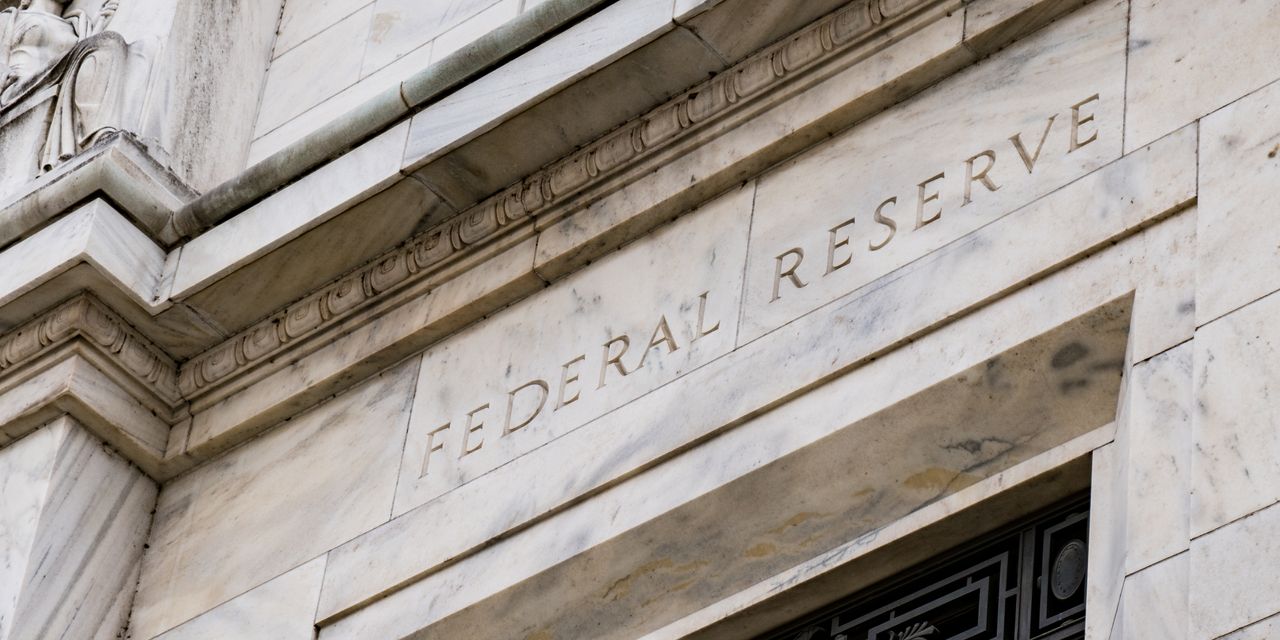
The Federal Reserve on Sunday announced a new emergency loan program to bolster the capacity of the banking system in the wake of the collapse of Silicon Valley Bank.
The program will help assure banks have the ability to meet the needs of all their depositors.
The collapse of Silicon Valley Bank
SIVB,
the second largest in American history, came as its depositors became concerned over the value of the bank’s bond portfolio. Many banks have a similar profile, holding bonds that have lost value as the Fed has sharply raised interest rates. It was called an “old-fashioned bank run” by former FDIC chair Sheila Bair.
The program appears aimed at stopping similar runs at other banks.
Also see: Silicon Valley Bank depositors will get ‘all of their money,’ regulators say
Under the new program, banks and other lenders will be able to pledge Treasurys and mortgage-backed securities for cash. Banks can pledge collateral at par.
This will eliminate the need for a bank to quickly sell its assets in times of stress.
The central bank said “it is prepared to address any liquidity pressures that may arise.”
The program is called the Bank Term Funding Program. Treasury Secretary Janet Yellen approved a plan to provide up to $25 billion as a backstop for the new program.
The Fed said it is “carefully monitoring developments in financial markets.”
The central bank said that the capital and liquidity positions of the U.S. banking system “are strong” and the U.S. financial system is “resilient.”
The Fed said its board of governors “is closely monitoring conditions across the financial system and is prepared to use its full range of tools to support households and businesses, and will take additional steps as appropriate.”
The Fed noted that is emergency-lending “discount window” is open and available for banks.
The discount window will accept collateral on the same terms used for the BTFP.