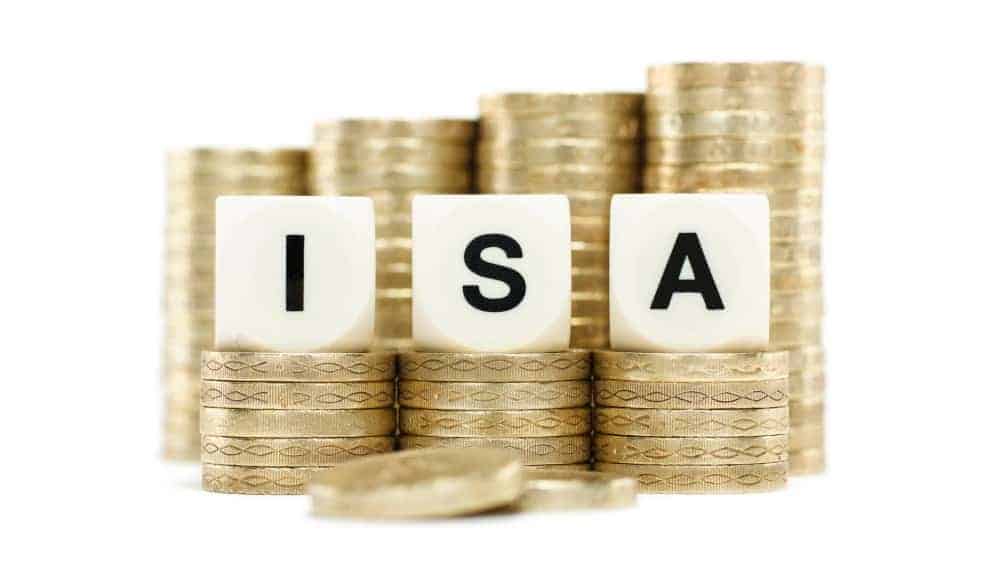
When it comes to shopping around, we Brits love a bargain! But when it’s time to choose a stocks and shares ISA, things sometimes aren’t so simple. With things like platform fees and fund charges, it can be tricky to work out how much you’ll have to pay and spot the best deal.
Here, I take a look at how stocks and shares ISA fees work and how they could maul your investment wealth.

Overpaying on broker fees? See if you could save by switching providers – with the help of our broker cost calculator. Start your calculation.
How much are stocks and shares ISA fees?
Stocks and Shares ISA fees vary significantly between providers. And to make things more complicated, many providers charge several different fees.
Platform fees vary depending on your ISA provider, and funds fees vary depending on the chosen funds within your ISA.
A well-known provider charges platform fees of 0.45% per year for funds under £250,000. That drops to 0.25% per year for funds worth between £250,000 and £1 million and 0.1% per year for funds valued at over £1 million.
But that’s not all. There are also fund fees, and these could seriously eat into your investment wealth. This same provider charges 1.39% per year for investing in its ‘adventurous growth’ model portfolio.
Platform fees and fund fees are both charged on your portfolio. For example, if you had £100,000 invested with this provider you would be charged platform fees of £450 per year (0.45% of £100,000) and fund fees of £1,390 per year (1.39% of £100,000).
How much do fees cost over time?
I’m going to show how much these fees mount up over time.
If an investor used their maximum £20,000 ISA allowance and invested in an adventurous portfolio (with a fund fee of 1.39% per year), they would pay £368 in fees for their first year. But it’s the effect of fees over time that’s shocking!
If that same investor put away £20,000 every year for 40 years, they might pay a grand total of around £400,000 in fees over the course of their investing journey!
I’ve assumed that their investments grow at an average of 5% per year.
Are there cheaper stocks and shares ISA options?
The answer is yes! Even, sticking with the same provider but changing your fund choices could make a huge difference to your investment wealth over time.
Some low-cost index funds that track a whole share index cost as little as 0.06% per year.
If you invested £20,000 in a low-cost tracker fund every year for 40 years, you could end up paying fees of around £69,000 in total. That’s a huge saving compared with £400,000.
What about a modest investor?
But what about more modest investors? Not all of us can afford to save £20,000 per year for 40 years. That’s true, but even more modest investors could still save a lot over time by watching their stocks and shares ISA fees.
If you save £2,000 per year in a stocks and shares ISA for 40 years, you could save around £31,000 in fees by picking a low-cost tracker fund rather than an expensive model portfolio. Not too bad at all!
That’s assuming you invest in a low-cost index tracker fund with a fund charge of 0.06% rather than a model portfolio that charges 1.39% per year.
How to pick a stocks and shares ISA
So, if you’re thinking of opening a stocks and share ISA, it’s really worth looking at the small print. What are the platform fees and fund charges? What are the charges for the funds you’re picking? If you need some help, then take a look at our top-rated stocks and shares ISAs. We compare the fees and features and give our overall verdict.
Don’t leave it until the last minute: get your ISA sorted now!

If you’re looking to invest in shares, ETFs or funds, then opening a Stocks and Shares ISA could be a great choice. Shelter up to £20,000 this tax year from the Taxman, there’s no UK income tax or capital gains to pay any potential profits.
Our Motley Fool experts have reviewed and ranked some of the top Stocks and Shares ISAs available, to help you pick.
Investments involve various risks, and you may get back less than you put in. Tax benefits depend on individual circumstances and tax rules, which could change.
Was this article helpful?
YesNo
About the author

Alice is a Suffolk-based personal finance writer specialising in pensions, tax, investment and small businesses. She is a qualified Chartered Accountant and has previously worked for KPMG London and Tesco Plc.
Some offers on The Motley Fool UK site are from our partners — it’s how we make money and keep this site going. But does that impact our ratings? Nope. Our commitment is to you. If a product isn’t any good, our rating will reflect that, or we won’t list it at all. Also, while we aim to feature the best products available, we do not review every product on the market. Learn more here. The statements above are The Motley Fool’s alone and have not been provided or endorsed by bank advertisers. John Mackey, CEO of Whole Foods Market, an Amazon subsidiary, is a member of The Motley Fool’s board of directors. The Motley Fool UK has recommended Barclays, Hargreaves Lansdown, HSBC Holdings, Lloyds Banking Group, Mastercard, and Tesco.