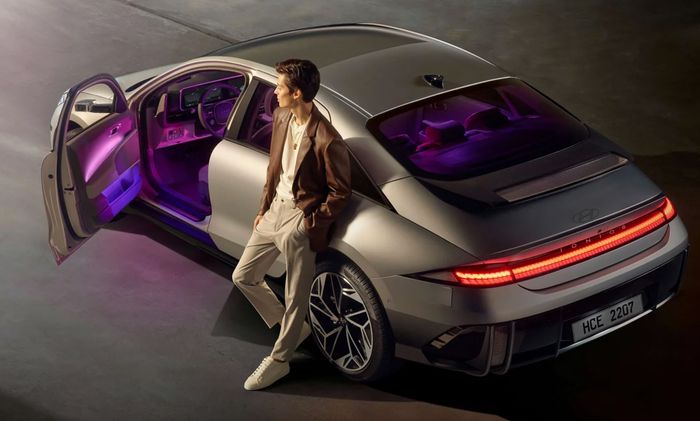
The 2023 Hyundai Ioniq 6 is an all-new, all-electric sedan. It’s based on the same platform as the multi-award-winning Ioniq 5. Maximum range is 361 miles and fast-charging abilities can take the battery from 10% to 80% in just 18 minutes.
How much will the 2023 Hyundai Ioniq 6 cost?
The 2023 Hyundai
HYMTF,
Ioniq 6 starts at $41,600 for the SE RWD Standard Range model. The Long Range model that gets a 361-mile range starts at $45,500, and if you want a dual-motor AWD model, it begins at $49,000. The pricing of the Hyundai Ioniq 6 sedan is similar to the Hyundai Ioniq 5 SUV and its closest rival, the Tesla
TSLA,
Model 3.
- Ioniq 6 SE RWD Standard Range: $41,600
- Ioniq 6 SE RWD Long Range: $45,500
- Ioniq 6 SE AWD Long Range: $49,000
- Ioniq 6 SEL RWD: $47,700
- Ioniq 6 SEL AWD: $51,200
- Ioniq 6 Limited RWD: $52,600
- Ioniq 6 Limited AWD: $56,100
These are the manufacturer’s suggested retail prices and don’t include the $1,115 factory-to-dealer delivery fee (destination charge).
Hyundai will include unlimited free 30-minute charging sessions for two years, using the Electrify America network — which includes ultra-fast chargers.
When does the 2023 Hyundai Ioniq 6 come out?
Hyundai says the 2023 Ioniq 6 goes on sale in the spring of 2023. It was first unveiled in July 2022 and later made its U.S. debut at the Los Angeles Auto Show in November.
Read: 3 reasons the Hyundai Ioniq 6 makes the Tesla Model 3 seem a bit boring
Ioniq 6 range and charging
The Hyundai Ioniq6
Hyundai
For anyone new to the exciting world of electric vehicles, range is the distance covered starting with a full battery and ending with one that really needs recharging pronto.
The maximum range of the 2023 Ioniq 6 is 361 miles. This is achieved by the single-motor version with 225 horsepower driving just the rear wheels.
At the other end of the spectrum, the range-topping Ioniq 6 Limited AWD features more power, all-wheel drive, two electric motors, and 270 miles of range.
- Ioniq 6 SE RWD Long Range: 361 miles
- Ioniq 6 SE AWD Long Range: 316 miles
- Ioniq 6 SEL RWD: 305 miles
- Ioniq 6 SEL AWD: 270 miles
- Ioniq 6 Limited RWD: 305 miles
- Ioniq 6 Limited AWD: 270 miles
Hyundai has performed some clever electrical engineering with the new Ioniq 6, allowing it to charge at a maximum of 800 volts — as good as it gets, in other words. That same fast charger can move the battery’s needle from 10% to 80% in only 18 minutes.
A home charger supplying 240 volts can perform a full replenishment in seven hours and 10 minutes. That’s fine; just plug it in overnight.
An optional Vehicle-to-Load feature enables the Ioniq 6 to act as a charger for things like appliances, laptops, and even other electric vehicles. This is also Hyundai’s first vehicle to receive over-the-air updates. These can improve performance, maps, and software.
Check out: The 2023 Porsche Taycan: an electrifying drive in more ways than one
Driving the 2023 Hyundai Ioniq 6
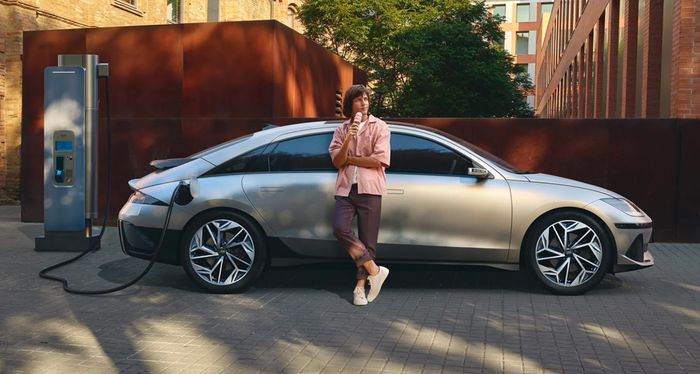
The Hyundai Ioniq6
Uncredited
We were lucky enough to take a dual-motor/all-wheel-drive version for an early test drive around Seoul, South Korea. In the city and on the freeway, the new Ioniq 6 feels composed, smoothing out rough surfaces and requiring few corrections from the steering. It also has that electric-vehicle quietness to it, because there’s no engine sound, just a subdued thrum from the tires.
The other typical trait of electric cars is the entertaining thrust, especially when moving off from a standstill. Hyundai reckons the 320-horsepower version of the Ioniq 6 can zip to 62 mph (100 kilometers per hour) in just 5.1 seconds. We wouldn’t argue.
From the few curvy sections we encountered, the Ioniq 6 seems capable enough. But we’d like to take more corners in it before reaching any verdict.
Paddles beneath the steering wheel adjust the intensity of the regenerative braking. Selecting the highest level activates the “i-Pedal.”
With the foot completely off the accelerator, i-Pedal brings the car smoothly to a stop. If a more urgent action is necessary, there’s always the brake pedal. And unlike some regenerative braking systems, this one feels quite natural.
Overall, the new Ioniq 6 all-electric sedan comes across as more expensive than we expect it to be. We can’t wait to spend more time with it.
A comprehensive array of advanced safety features is also standard. This includes forward collision warning with automatic emergency braking and pedestrian/cyclist detection, blind-spot monitoring, and lane-keeping assistance. Among the other systems available are junction assistance, 360-degree camera setup, remote smart parking, and smart cruise control with machine learning.
Roomy interior
The cabin feels spacious for such a small footprint. There’s no transmission tunnel, so the flat floor helps create this impression.
Placing the window and door lock controls on the center console keeps the doors free of clutter. Thoughtful storage includes a generous cubby for large items under the center console, and excellent door pockets.
Creative fabrics (made from recycled materials), textures and patterns are enlivened by 64-color ambient lighting. There’s a strong sense that design matters — both inside and out.
Since the wheelbase (the distance between the front and rear axles) is 2 inches longer than Hyundai’s Palisade midsize 3-row SUV, rear legroom is generous. The sloping roofline might constrict headroom for taller types. For the average adult, though, it’s plenty.
Options include Relaxation Comfort seats, made specifically for Hyundai’s EV models. They’re lighter and 30% thinner than regular seats, contributing to efficiency and roominess alike.
The 12.3-inch driver information display and the 12.3-inch infotainment touchscreen form one large unit, set into a neat, well-designed dash. Apple
AAPL,
CarPlay and Android Auto smartphone integration is standard, and Hyundai offers a digital key function where users can access the car with a smartphone or Apple Watch, then lock it at journey’s end.
Commands given in natural speech include control of the heated/ventilated front seats, heated steering wheel, climate, radio, etc. And the navigation system is calibrated to include charging stations along the route.
Don’t miss:The 2024 Honda Prologue: Honda’s new electric SUV is attractive and spacious. When can you get one?
Sleek, slippery exterior
Hyundai says the new Ioniq 6 sedan has a drag coefficient of 0.22, which is impressive. The Mercedes-EQ EQS and Lucid Air both have a drag coefficient of 0.20, and the Tesla Model S is 0.208 (almost 0.21, then).
This is achieved not just by the sleek and streamlined shape, but also by underbody paneling, active air flaps at the front, and aerodynamically designed wheels.
As well as optimizing energy use, an aerodynamic body helps keep wind noise to a minimum. And, it could be argued, looks pretty cool, too.
On a tangent, the 2023 Ioniq 6 also wears the redesigned Hyundai H logo.
KBB’s car reviewmethodology.
This story originally ran on KBB.com.