The number: U.S. wholesale prices rose 0.3% in November, the Labor Department said Friday.
Economists polled by The Wall Street Journal has forecast a 0.2% gain.
This is the third straight 0.3% monthly gain in the PPI index. Inflation in October and September was also revised up from the prior estimate of a 0.2% gain.
The core producer price index, which excludes volatile food, energy and trade prices, also rose 0.3% in November, up from a 0.2% gain in the prior month.
The increase in producer prices over the past 12 months slowed to 7.4% gain from 8.1% in the prior month. That is the slowest annual advance since May 2021. This is the fifth straight decline in annual inflation from the peak of 11.7% in March.
Over the past year, core prices rose 4.9%, down from 5.4% in October. This is the slowest pace since April 2021.
Key details: The cost of energy fell 3.3% in November after a 2.3% gain in the prior month.
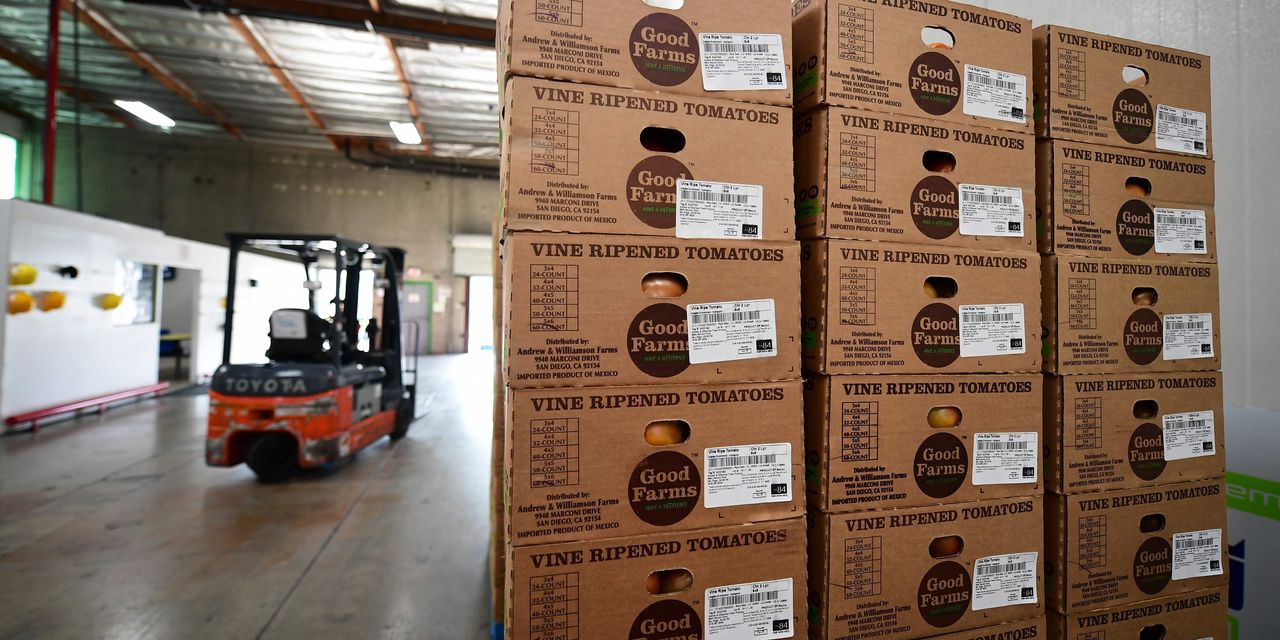
Food prices jumped 3.3% after a 0.8% increase in the prior month.
The cost of trade services jumped 0.7% in November after two straight monthly declines. The gain was driven by a sharp rise in financial services.
Big picture: Although hotter than expected in November, inflation at the wholesale level is showing steady deceleration from the peak in March.
The market is more focused on consumer price inflation report, which will be released next Tuesday, one day before the Fed’s decision on interest rates.
Looking ahead: “PPI inflation continued to trend downwards, but economic momentum will keep it elevated until at least the second quarter of next year,” said Matthew Martin, economist at Oxford Economics.
Market reaction: Stocks
DJIA,
SPX,
were slightly higher in midday trading. The yield on the 10-year Treasury note
TMUBMUSD10Y,
jumped to 3.5%.