The numbers: The rate of U.S. inflation rose again in February to 7.9% — a 40-year high — and Americans could face even more pain because of the Russian war on Ukraine.
The consumer price index rose 0.8% in the month, spurred by the higher cost of gasoline, food and housing, the government said Thursday.
The increase surpassed Wall Street’s forecast of a 0.7% gain.
The surge in the cost of living in the past 12 months is the biggest since January 1982.
Americans are paying more to fuel up, put food on the table and cover the cost of housing. Prices of autos and many other consumer goods have also soared to record highs.
Until very recently, Wall Street economists and the Federal Reserve had expected the increase in inflation to crest soon and start to ease.
Yet the Ukraine conflict has triggered big increases in the cost of oil, wheat and other commodities, threatening to prolong the bout of high U.S. inflation.
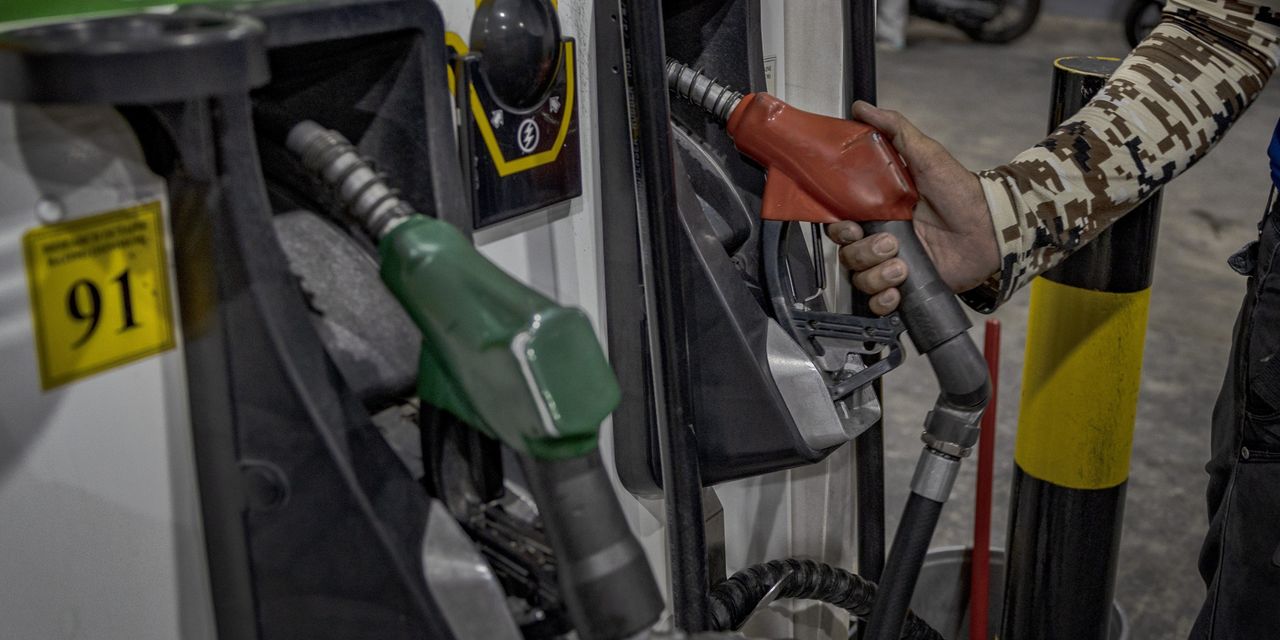
The cost of gasoline just hit a record high, for instance, with a gallon costing more than $6 in some places.
The Fed, for its part, is on track to raise interest rates in March for the first time in four years to try to reverse the spike in inflation. It may take a while before rate hikes have much effect, however, since they are so low.
A separate measure of consumer inflation that strips out volatile food and energy prices also rose 0.5% last month.
The increase in the so-called core rate over the past 12 months rose to 6.4% from 6%. That’s the highest level since the middle of 1982.
Big picture: High inflation isn’t going away anytime soon as the Fed had hoped. Even a rapid and sharp increase in interest rates — which no one expects — would have little effect in the short run.
Record oil prices and the rising costs of many other goods and services promise to keep the rate of inflation at levels not seen since the early 1980s. The Ukraine conflict is adding to the upward pressure on prices.
Economists still expect inflation to slow later in the year, but consumers won’t get relief anytime soon. Prices are rising even faster than the 5% increase in hourly wages over the past year.
Key details: The cost of gasoline jumped 6.6% last month as the conflict Ukraine added to the upward pressure on oil prices. Russia is the world’s third largest producer of oil and the West is moving to curtail its imports.
Food prices rose 1% last month and the cost of groceries increased even faster.
Grocery prices have shot up 8.6% in the past 12 months — the largest advance since 1981.
Even more ominously, the cost of shelter jumped 0.5% in February, including a 0.6% increase in rent that was the largest since 1987. Rent and housing account for about 40% of a household budget.
After very small increases through most of the pandemic, the cost of shelter has surged in the past 12 months. The 4.7% advance since last February is the largest in 31 years, potentially making it harder for the Fed to bring down inflation quickly.
Prices also rose last month for furniture, recreational goods, car insurance, clothes, airfare, drugs and personal-care items.
The cost of new cars rose slightly and used-vehicle prices fell for the first time in five months. Both new and used car prices are still at record highs, however.
Looking ahead: “Inflation will catch a fourth wind from the Russian-Ukraine war,” said senior economist Sal Guatieri of BMO Capital Markets. “However, assuming the situation doesn’t escalate and commodity prices pull back a bit, inflation should turn lower after the spring.”
“”February’s CPI reading was the highest in 40 years — again — but what was once forecast to be the inflation peak is now the jumping off point for ever higher inflation sparked by the war in Ukraine,” said Robert Frick, corporate economist at Navy Federal Credit Union.
Market reaction: The Dow Jones Industrial Average
DJIA,
and S&P 500
SPX,
index were set to open sharply lower in Thursday trades. Bond yields
TMUBMUSD10Y,
rose slightly.