The numbers: Consumer prices rose 0.5% in December to push the increase in the cost of living last year to a nearly 40-year high of 7%, indicating high U.S. inflation is likely to persist well into 2022.
The gain in the consumer price index exceeded the 0.4% forecast of economists polled by The Wall Street Journal.
A separate measure of consumer inflation that strips out volatile food and energy prices rose 0.6% last month, the government said Wednesday. That pushed the increase over the past 12 months to 5.5% from 4.9% — a 31-year high.
Big picture: Inflation has soared due to strong customer demand and ongoing labor and supply shortages. While price pressures are likely to ease in 2022, economists estimate the rate of inflation will probably exceed 3% by year end.
By contrast, inflation averaged just over 1.5% a year in the decade prior to the pandemic.
The Federal Reserve, the nation’s inflation watchdog, has sped up plans to remove stimulus for the economy. The central bank is also expected to raise short-term interest soon to combat high inflation.
“The economy no longer needs or wants the very highly accommodative policies we’ve had in place to deal with the pandemic and the aftermath,” Fed Chairman Jerome Powell said on Tuesday.
Key details: The main drivers of inflation in December were new and used cars, housing and food.
The cost of used vehicles jumped 3.5% last month and the price of new cars and trucks rose 1%. Auto prices have surged in the past year largely due to a shortage of computer chips that have limited production.
Rent rose 0.4% for the third month in a row as housing emerges as a bigger flash point of high inflation. It’s the single biggest component of the CPI and the largest expense for most households. Rents had risen slowly during most of the pandemic.
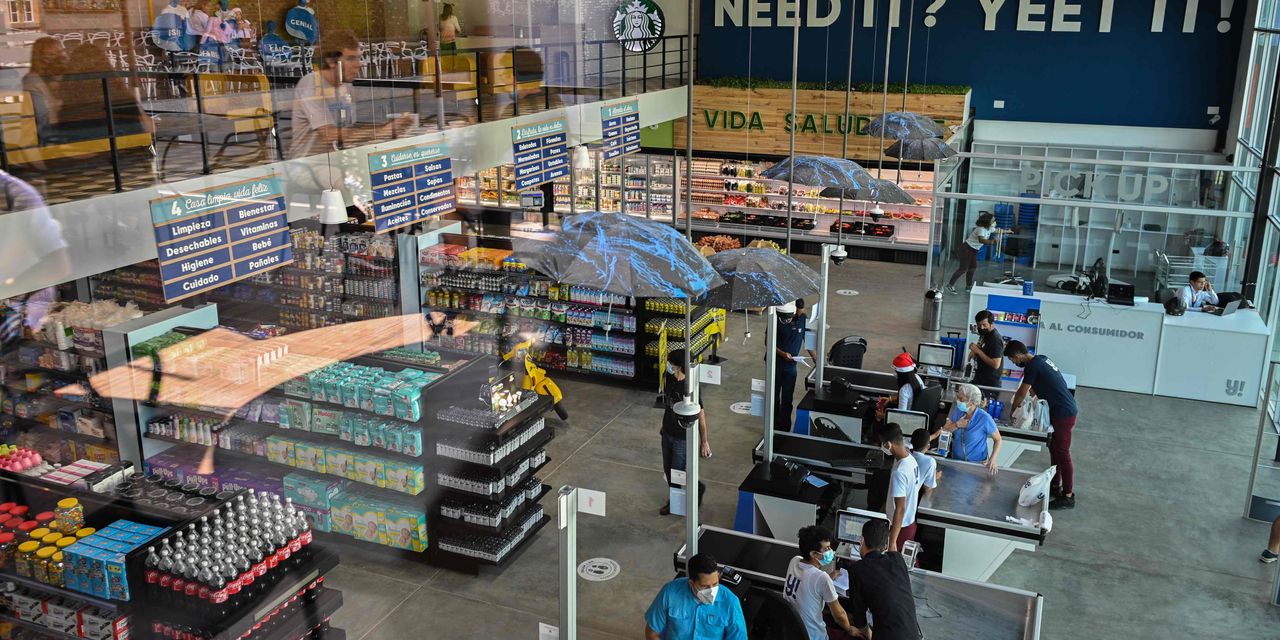
The cost of food climbed 0.5% in December. Grocery prices soared 6.5% in 2021, marking the biggest increase in 13 years.
The cost of clothing, home furnishings and medical care also increased last month.
Notably, energy prices fell 0.4% and declined for the first time since April. Higher oil prices had been a big driver of inflation earlier in the year.
Prices also fell for auto insurance and recreation.
Looking ahead: “December’s number could mark the peak for annual inflation readings,” said Seema Shah, chief strategist at Principal Global Investors. “There are growing signs of supply strains easing, with freight rates coming down, delivery times shortening, and backlogs reducing.”
“There is no sugarcoating December’s CPI data,” said corporate economist Robert Frick of Navy Federal Credit Union. “With the exception of energy prices, which are dropping, the main drivers of the highest inflation since 1982 will remain high for the foreseeable future.
Market reaction: The Dow Jones Industrial Average
DJIA,
and S&P 500
SPX,
were set to open higher in Wednesday trades. The 10-year bond yield
TMUBMUSD10Y,
fell slightly to 1.73.%.
With the Fed moving to try to head off price pressures, investors don’t appear as alarmed about the latest reading of high inflation.