How minimalism made me richer this year

How minimalism made me richer this year
Image source: Getty Images


Minimalism has gained a large following over the past few years, partly thanks to The Minimalists’ Joshua Fields Millburn and Ryan Nicodemus and their popular documentaries and podcast. While minimalism often brings up images of living in a sparse house with few possessions, the movement has grown to mean a lot more.

For me, minimalism started with a journey into decluttering and just owning less stuff. It has since grown into a goal of living a more intentional life and managing my finances better. 

Living a meaningful life

Minimalism isn’t necessarily about having fewer things, but instead about only having the ‘right’ things. That means owning things that have a defined purpose and provide meaning to your life. When you embrace minimalism, you no longer buy things because you’re bored – each item you shop for has a purpose and a place in your life.

This has a direct beneficial impact on your finances. The less you shop, the more money you get to keep in your bank account. 

Being more intentional with my spending

The shift in my financial thinking started during my decluttering process. I was shocked and disgusted at how many things I owned that had never been used or used once and then dumped in the back of a cupboard. As I was decluttering, I ended up donating, recycling or throwing away a lot of things. 

This meant a lot of money wasted – money I could’ve saved, invested or even spent on bigger things I thought I couldn’t afford, like an overseas holiday.

This is where my journey into financial minimalism started.

Everything I now buy serves a purpose

I used to be one of those people who bought several little souvenirs and knick-knacks every time I travelled somewhere. None of those frivolous little purchases meant anything once I was back home. And to be honest, I often resented all the magnets or little trinkets cluttering my fridge or kitchen drawers.

I now bring back ‘souvenirs’ that have an actual purpose in my home. Last summer, I bought a curtain for my small kitchen window at a little flea market in Austria and brought back pizza spices from Italy.

Let’s be honest, you don’t need all that stuff

Like most people, I started my journey into minimalism by getting rid of stuff. This included clothes I had not worn in years and sports equipment bought under the misguided hope I would one day take up cross-country skiing. 

Then there were the less obvious, harder to discard items I had paid good money for. A juicer I was using on average, twice a year. A few pieces of exercise equipment I bought before I realised I don’t have the discipline to exercise at home.  

I managed to sell a lot of the bigger items when I started decluttering. Last year alone, I made over £2,000 selling unwanted items through apps like Vinted, Depop and Preloved. I saved thousands more by not buying unnecessary stuff anymore. 

It’s easier to budget if you have fewer expenses

Part of my decluttering journey included my digital life too. Back in 2020, I used to subscribe to five streaming apps –some of which were ‘accidental subscriptions’ because I forgot to cancel the free trials. I don’t have time to watch that much TV and I don’t even want to. I now only subscribe to Netflix. 

The lockdowns also resulted in closures of many of the services I used on a regular basis, including my gym, cinemas and my favourite restaurants. This saved me money in additional ways. I spent less on petrol to drive to places, I didn’t renew my gym membership for one full year (I took the dogs hiking a lot instead) and I cancelled loyalty cards that had an annual service fee. 

I also downsized on unexpected things, like bank accounts. Now, I have a single current account and a single savings account (with the same bank). This makes it easier to comply with the account requirements to keep everything free and it’s a lot easier to keep track of my expenses and maintain a budget.

I stopped rewarding myself all the time

We all need a little pick me up sometimes, but that doesn’t mean having to constantly indulge in purchasing things. Minimalism is about maximising the value of what you own, not buying yourself something new every time you feel sad or stressed.

I saved a lot of money this year by not buying things that didn’t make sense in my current life. This included beautiful high-heeled boots that actually hurt my feet and a sophisticated watch that was never going to replace the Fitbit I’ve got used to wearing all the time anyway. 

The best thing about starting this journey? Not only do I have more money, but also a lot less stress. 

Products from our partners*

Top-rated credit card pays up to 1% cashback

With this top-rated cashback card cardholders can earn up to 1% on all purchases with no annual fee. Plus, there’s a sweet 5% welcome cashback bonus (worth up to £100) available during the first three months!

Those are just a few reasons why our experts rate this card as a top pick for those who spend regularly and clear their balance each month. Learn more here and check your eligibility before you apply in just 2 minutes.

*This is an offer from one of our affiliate partners. Click here for more information on why and how The Motley Fool UK works with affiliate partners.Terms and conditions apply.

Was this article helpful?

YesNo


Some offers on The Motley Fool UK site are from our partners — it’s how we make money and keep this site going. But does that impact our ratings? Nope. Our commitment is to you. If a product isn’t any good, our rating will reflect that, or we won’t list it at all. Also, while we aim to feature the best products available, we do not review every product on the market. Learn more here. The statements above are The Motley Fool’s alone and have not been provided or endorsed by bank advertisers. John Mackey, CEO of Whole Foods Market, an Amazon subsidiary, is a member of The Motley Fool’s board of directors. The Motley Fool UK has recommended Barclays, Hargreaves Lansdown, HSBC Holdings, Lloyds Banking Group, Mastercard, and Tesco.


3 of the best penny stocks to buy in 2022!

I’m searching for the best penny stocks to buy for my portfolio for next year. I wouldn’t just buy the following shares to make a quick buck, though. I think they could deliver excellent shareholder returns over the long term too.

A penny stock on my radar

I have direct exposure to the housebuilding sector through my stakes in Barratt Developments and Taylor Wimpey. I’m considering capitalising on improving construction rates in the UK by snapping up building goods supplier SIG (LSE: SHI) too. This penny stock sells a broad array of essential products like roof tiles, insulation boards and cladding.  

5 Stocks For Trying To Build Wealth After 50

Markets around the world are reeling from the coronavirus pandemic… and with so many great companies trading at what look to be ‘discount-bin’ prices, now could be the time for savvy investors to snap up some potential bargains.

But whether you’re a newbie investor or a seasoned pro, deciding which stocks to add to your shopping list can be a daunting prospect during such unprecedented times.

Fortunately, The Motley Fool UK analyst team have short-listed five companies that they believe STILL boast significant long-term growth prospects despite the global upheaval…

We’re sharing the names in a special FREE investing report that you can download today. And if you’re 50 or over, we believe these stocks could be a great fit for any well-diversified portfolio.

Click here to claim your free copy now!

Britain needs to get building over the next decade and the government has set a target of 300,000 new homes a year by the mid-2020s. Companies like SIG will play an essential role in helping the housebuilders meet this goal.

I also believe the rock-solid repair, maintenance and improvements (or RMI) sector gives SIG and its shareholders plenty to be positive about. I’d buy the business to exploit this opportunity, even though supply chain problems poses a danger to profits in the nearer term.

Making money from the inflationary boom

Recent inflation news convinces me that grabbing a slice of some gold-producing stocks could be a good idea. Inflation gauges from the US and UK showed prices rising at 39- and 10-year highs respectively. Data more recently from the eurozone showed consumer prices increasing since the economic bloc began in 1999 as well.

Gold prices rise when inflationary pressures grow. This is why I’m considering buying Ariana Resources (LSE: AAU) today, though it’s not the only reason why.

I’m also encouraged by the slew of positive drilling updates from its Turkish assets (and from Mediterranean-focussed miners in which it’s invested) in recent months. I’d buy Ariana despite the threat that gold prices could fall if, for example, the US dollar were to strengthen.

A next-gen food share

Concerns over animal welfare and the environmental impact of livestock farming have fuelled a sharp rise in vegan and vegetarian diets in recent years. This has led to an explosion in the number of non-animal products being manufactured and sold all over the globe.

It seems that the growing popularity of meat alternatives is set to keep running too. Analysts at Expert Market Research think the global vegan food market will be worth $26.1bn by 2026, up from $15.4bn last year.

I’m thinking of buying Agronomics shares to make money from this trend. This company has invested in a selection of fledgling producers in the field of lab-grown meat. Okay, these sorts of products aren’t strictly ‘vegan’. But sales are tipped to take off as people seek to get their protein in other ways than from animals. I’d buy the business even though one or more of the assets it’s spent cash on could fail to deliver on their exceptional promise.

5 Stocks For Trying To Build Wealth After 50

Markets around the world are reeling from the coronavirus pandemic…

And with so many great companies still trading at what look to be ‘discount-bin’ prices, now could be the time for savvy investors to snap up some potential bargains.

But whether you’re a newbie investor or a seasoned pro, deciding which stocks to add to your shopping list can be a daunting prospect during such unprecedented times.

Fortunately, The Motley Fool is here to help: our UK Chief Investment Officer and his analyst team have short-listed five companies that they believe STILL boast significant long-term growth prospects despite the global lock-down…

You see, here at The Motley Fool we don’t believe “over-trading” is the right path to financial freedom in retirement; instead, we advocate buying and holding (for AT LEAST three to five years) 15 or more quality companies, with shareholder-focused management teams at the helm.

That’s why we’re sharing the names of all five of these companies in a special investing report that you can download today for FREE. If you’re 50 or over, we believe these stocks could be a great fit for any well-diversified portfolio, and that you can consider building a position in all five right away.

Click here to claim your free copy of this special investing report now!

Royston Wild owns Barratt Developments and Taylor Wimpey. The Motley Fool UK has no position in any of the shares mentioned. Views expressed on the companies mentioned in this article are those of the writer and therefore may differ from the official recommendations we make in our subscription services such as Share Advisor, Hidden Winners and Pro. Here at The Motley Fool we believe that considering a diverse range of insights makes us better investors.

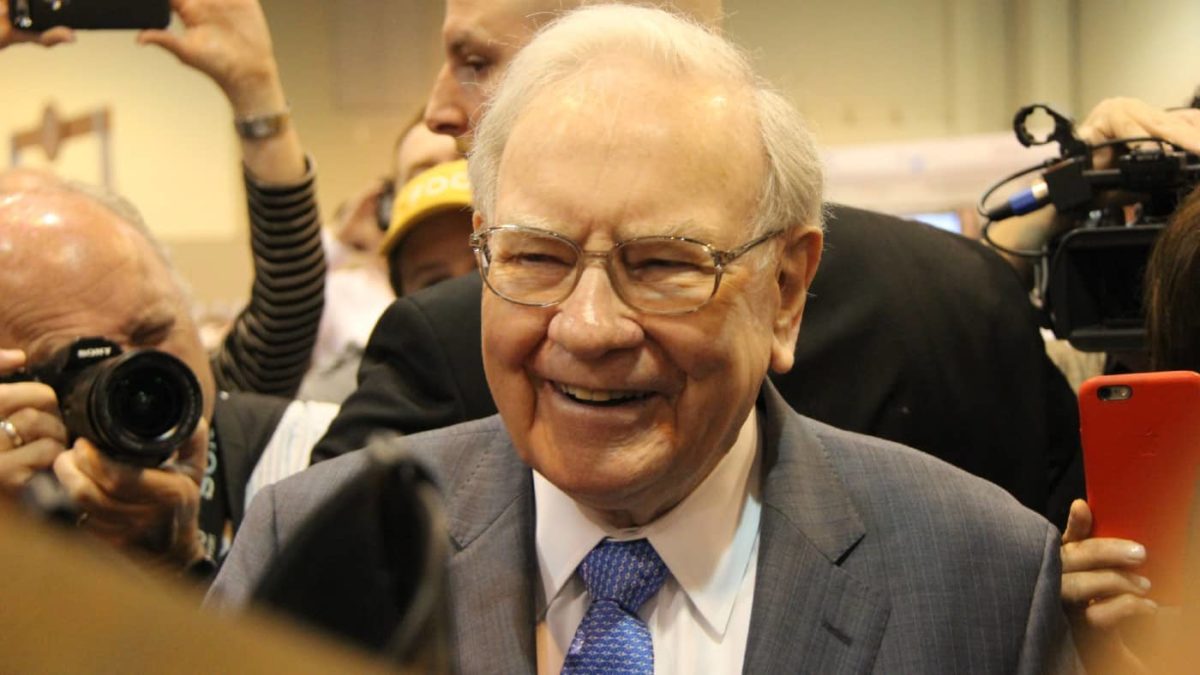
3 investment myths Warren Buffett has busted

One challenge faced by all investors sooner or later is learning to separate reality from myth, signal from noise. For me, consulting the thoughts and strategies of market masters such as Warren Buffett can be helpful in this regard. Here’s a small selection of how the Sage of Omaha’s incredible success shows why we all need to frequently question the things we hear. 

“The more stocks I own, the better”

Spreading my money around different shares sounds like plain common sense. After all, investing in just a few stocks, however carefully picked, opens me up to the threat of massive volatility and, perhaps, huge losses.

5 Stocks For Trying To Build Wealth After 50

Markets around the world are reeling from the coronavirus pandemic… and with so many great companies trading at what look to be ‘discount-bin’ prices, now could be the time for savvy investors to snap up some potential bargains.

But whether you’re a newbie investor or a seasoned pro, deciding which stocks to add to your shopping list can be a daunting prospect during such unprecedented times.

Fortunately, The Motley Fool UK analyst team have short-listed five companies that they believe STILL boast significant long-term growth prospects despite the global upheaval…

We’re sharing the names in a special FREE investing report that you can download today. And if you’re 50 or over, we believe these stocks could be a great fit for any well-diversified portfolio.

Click here to claim your free copy now!

The truth, however, is a little more nuanced. Having too many investments is potentially as problematic as having too few. Why? The gains made by my winning picks will be diluted by the poorer performers and thus have less impact on my overall returns. Owning nothing but growth stocks when value stocks are in vogue is similarly not ideal.

Warren Buffett has long recognised the power that comes from running a concentrated portfolio of high-quality companies in different sectors. Investing heavily in one incredibly profitable beverage business (Coca-Cola), for example, has served him far better than investing in a number of average beverage businesses.

Clearly, the appropriate number of stocks for a person to hold will depend on many factors. There is no right number. However, the idea that ‘more is better’ should not be blindly accepted. 

“Only invest if you’re already rich”

The fact that Warren Buffett is one of the wealthiest individuals on the planet may be taken as a sign to non-investors that only the rich should get involved in the stock market. In fact, Buffett started from scratch, making his first investment at the age of 11.

Now, I sincerely doubt there are many 11-year-olds out there doing the same. Nonetheless, grasping the importance of getting started and cutting costs where possible are key to growing wealth. This applies regardless of a person’s age. It’s about making use of tax-efficient accounts, zero/low-commission online brokers and, if so inclined, cheap index-tracking funds.

One caveat to mention is that investing usually only makes sense when there’s a lack of debt (mortgage excluded). Having an emergency cash fund for life’s eventualities is also important.

“You can time the market”

It’s easy to study a share price graph and pick out what would have been the optimum moment to buy. For example, we now know that March 2020 was a wonderful time to go shopping in the market

The problem is that all of this is exceptionally easy to say in hindsight. When the chips are down and prices are tumbling, it takes guts to throw money into assets such as equities. To make matters worse, anyone attempting to ‘buy at the bottom’ perfectly soon faces another challenge: identifying exactly when to sell. 

As successful as he is, Warren Buffett doesn’t know what will happen next any more than I do. Instead, he recognises that a strategy of being “greedy when others are fearful” tends to work out well. This is assuming that the investor possesses sufficient patience to allow things to actually work out.

Holding the same stock for decades sounds unexciting, but it’s played a huge role in making Buffett the billionaire he now is.

5 Stocks For Trying To Build Wealth After 50

Markets around the world are reeling from the coronavirus pandemic…

And with so many great companies still trading at what look to be ‘discount-bin’ prices, now could be the time for savvy investors to snap up some potential bargains.

But whether you’re a newbie investor or a seasoned pro, deciding which stocks to add to your shopping list can be a daunting prospect during such unprecedented times.

Fortunately, The Motley Fool is here to help: our UK Chief Investment Officer and his analyst team have short-listed five companies that they believe STILL boast significant long-term growth prospects despite the global lock-down…

You see, here at The Motley Fool we don’t believe “over-trading” is the right path to financial freedom in retirement; instead, we advocate buying and holding (for AT LEAST three to five years) 15 or more quality companies, with shareholder-focused management teams at the helm.

That’s why we’re sharing the names of all five of these companies in a special investing report that you can download today for FREE. If you’re 50 or over, we believe these stocks could be a great fit for any well-diversified portfolio, and that you can consider building a position in all five right away.

Click here to claim your free copy of this special investing report now!

Paul Summers has no position in any of the shares mentioned. The Motley Fool UK has no position in any of the shares mentioned. Views expressed on the companies mentioned in this article are those of the writer and therefore may differ from the official recommendations we make in our subscription services such as Share Advisor, Hidden Winners and Pro. Here at The Motley Fool we believe that considering a diverse range of insights makes us better investors.

Stock market crash: 5 things I worry about in 2022

By most measures, 2021 has been a great year for investors. But like billionaire investment guru Warren Buffett, I aim to “be fearful when others are greedy, and be greedy when others are fearful”. As share prices rise, they often become more fragile and volatile. Hence, I sometimes worry about the next stock market crash. Here are five things that I’ll watch out for in 2022.

1. Stretched US stock valuations = stock market crash?

Since the low of 23 March 2020 (when it slumped to 2,191.86 points), the US S&P 500 index has skyrocketed to 4,649.23 points today. Therefore, the index has more than doubled in 21 months, soaring by 112.1%. In 35 years of investing, I’ve never seen such a powerful, one-way market. By most measures, the US stock market is strongly overvalued. So is this the calm before the storm of the next stock market crash?

5 Stocks For Trying To Build Wealth After 50

Markets around the world are reeling from the coronavirus pandemic… and with so many great companies trading at what look to be ‘discount-bin’ prices, now could be the time for savvy investors to snap up some potential bargains.

But whether you’re a newbie investor or a seasoned pro, deciding which stocks to add to your shopping list can be a daunting prospect during such unprecedented times.

Fortunately, The Motley Fool UK analyst team have short-listed five companies that they believe STILL boast significant long-term growth prospects despite the global upheaval…

We’re sharing the names in a special FREE investing report that you can download today. And if you’re 50 or over, we believe these stocks could be a great fit for any well-diversified portfolio.

Click here to claim your free copy now!

2. Volatility could surge

As banker JP Morgan once replied when asked what would happen to stocks: “Prices will fluctuate”. Yet despite being year two of Covid-19, 2021 brought remarkably low volatility — for the US stock market, at least. In 2021, the biggest high-low intra-day volatility in the S&P 500 was a mere 3.3% (on 5 March). On only 14 of 245 trading days was intra-day volatility above 2% (but four of these came this month). That’s not a market I’d get too nervous about. But if volatility picks up in 2022, I’d expect more aggressive daily swings in stock prices.

3. Chinese contagion

As the world’s workshop and growth engine, China might play a part in the next stock market crash. Chinese growth has tumbled this year, dragged down by the coronavirus and deep-rooted, possibly systemic problems. Until recently, property and construction in China accounted for 29% of economic output. But with huge property developer China Evergrande and other real-estate groups defaulting on their debts, 2022 could be tough for the Middle Kingdom. And that’s before further crackdowns by the Chinese Communist Party — following body blows to the tech, education, and property sectors.

4. Runaway inflation and rising interest rates

I was born in 1968 (Gen X and proud!), so I remember the ‘Great Inflation’ of the 1970s. I recall this decade as one of genuine hardship and poverty, as ever-rising prices ate away at modest family incomes. In 2021, after two decades of being subdued, inflation suddenly sprung to life again. In the year to end-November, UK inflation surged to 5.1%, a 10-year high. Meanwhile, over the same period, US Consumer Price Index inflation was 6.8%, a 30-year high. But if central banks jack up interest rates to quell inflation, this might trigger a stock market crash (where prices fall by 20%+).

5. Stock market crash: the next cyclical recession?

Finally, I worry about one thing that hasn’t happened for years: a cyclical recession. Before central banks and governments threw money at the problem, developed economies usually went through growth and shrinking phases. First the feast, then the famine, as boom turned to bust. However, ignoring the Covid-19 recession in spring 2020, we haven’t had a ‘proper’ recession since the global financial crisis ended in mid-2009. Will it come in 2022? Who can say?

Finally, I’m not that terrified of the next stock market crash. Indeed, buying cheap shares in the 2000-03, 2007-09, and 2020 stock market crashes made my family much richer. That’s why we’re building a war chest of cash to invest in discounted stocks in the next bear market!

Our 5 Top Shares for the New “Green Industrial Revolution”

It was released in November 2020, and make no mistake:

It’s happening.

The UK Government’s 10-point plan for a new “Green Industrial Revolution.”

PriceWaterhouse Coopers believes this trend will cost £400billion…

…That’s just here in Britain over the next 10 years.

Worldwide, the Green Industrial Revolution could be worth TRILLIONS.

It’s why I’m urging all investors to read this special presentation carefully, and learn how you can uncover the 5 companies that we believe are poised to profit from this gargantuan trend ahead!

Access this special “Green Industrial Revolution” presentation now


Views expressed on the companies mentioned in this article are those of the writer and therefore may differ from the official recommendations we make in our subscription services, such as Share Advisor, Hidden Winners and Pro. Here at The Motley Fool, we believe that considering a diverse range of insights makes us better investors.

The Lloyds share price: why does it drive investors crazy?

The Lloyds Bank (LSE: LLOY) share price seems to drive investors crazy. Its value has been on a general uptrend over the past year, but is still down 25% from the pre-pandemic days. In fact, the share price hasn’t really recovered from the 2008 financial crash.

But Lloyds drives far more investor interest than almost any other publicly traded UK company, and I have had to ask myself…why?

5 Stocks For Trying To Build Wealth After 50

Markets around the world are reeling from the coronavirus pandemic… and with so many great companies trading at what look to be ‘discount-bin’ prices, now could be the time for savvy investors to snap up some potential bargains.

But whether you’re a newbie investor or a seasoned pro, deciding which stocks to add to your shopping list can be a daunting prospect during such unprecedented times.

Fortunately, The Motley Fool UK analyst team have short-listed five companies that they believe STILL boast significant long-term growth prospects despite the global upheaval…

We’re sharing the names in a special FREE investing report that you can download today. And if you’re 50 or over, we believe these stocks could be a great fit for any well-diversified portfolio.

Click here to claim your free copy now!

Lloyds doesn’t pay a particularly exciting dividend, and the price has remained fairly stagnant since 2009. What is it about this bank that’s keeping investors hooked?

Share price fundamentals

On paper, Lloyds seems like a very safe investment. Its price-to-earnings ratio (P/E) hovers at a very respectable 6.93 and the bank has a CDP score of A-. Lloyds does offer a dividend but, as I said before, it comes in at 2.73%, well below the UK average of 4%. It does have a very high market cap at £32.25bn, although this is slightly lower than Natwest’s £32.98bn.

In fact, Lloyds and Natwest are both dwarfed by HSBC‘s £90.12bn market cap, 3.59% dividend yield, and equivalent CDP score of A-. At a cursory glance it seems to me that HSBC has always been the better investment, although its share price has failed to recover to pre-pandemic levels and the consistent allegations of money laundering have dogged the bank for as long as I can remember.

Marketing and branding

Lloyds has excellent brand recognition. There’s no arguing that. Its black horse is nothing short of iconic and the bank undoubtedly has the largest presence of any in the public zeitgeist. This could just be down to exposure. I don’t tend to watch adverts if I can help it, but Lloyds bank adverts are by far and away the most ubiquitous and memorable of any in the sector.

Warren Buffett has always stressed the importance of a business having a ‘moat’ or aspect which will protect it from the competition. Brand recognition is one kind of moat but from where I’m sat, it seems like that’s all Lloyds has going for it.

What about Lloyds future?

Over the course of 2021, Lloyds announced that it would be closing more than 90 of its branches across the country. It also made headlines for its plans to invest in build-to-rent homes around the country. Closing branches will help to cut costs but there is a chance that by shrinking its high street presence that it may hurt its branding.

Lloyds probably hopes that being a landlord will become more profitable than mortgage lending over the next few decades. I can see the logic behind this, especially with interest rates being so low right now.

But Lloyds has been profitable despite low rates and being a landlord incurs ongoing maintenance costs. On top of that, there is no guarantee of income if homes remain empty.

Honestly, I’m still unsure why retail investors seem so enamoured with Lloyds. It’s not a bad company, but to my eye, it owes most its popularity to branding.

Perhaps people expect the share price to shoot to the pre-financial crash highs, but I won’t be adding it to my portfolio any time soon.

FREE REPORT: Why this £5 stock could be set to surge

Are you on the lookout for UK growth stocks?

If so, get this FREE no-strings report now.

While it’s available: you’ll discover what we think is a top growth stock for the decade ahead.

And the performance of this company really is stunning.

In 2019, it returned £150million to shareholders through buybacks and dividends.

We believe its financial position is about as solid as anything we’ve seen.

  • Since 2016, annual revenues increased 31%
  • In March 2020, one of its senior directors LOADED UP on 25,000 shares – a position worth £90,259
  • Operating cash flow is up 47%. (Even its operating margins are rising every year!)

Quite simply, we believe it’s a fantastic Foolish growth pick.

What’s more, it deserves your attention today.

So please don’t wait another moment.

Get the full details on this £5 stock now – while your report is free.


James Reynolds has no position in any of the shares mentioned. The Motley Fool UK has recommended Lloyds Banking Group. Views expressed on the companies mentioned in this article are those of the writer and therefore may differ from the official recommendations we make in our subscription services such as Share Advisor, Hidden Winners and Pro. Here at The Motley Fool we believe that considering a diverse range of insights makes us better investors.

Revealed! How the biggest FTSE 100 companies performed in 2021

Source: Getty Images


Members of the FTSE 100 have a combined market cap of £1.814 TRILLION. So far this year, the UK’s largest share index is up over 11%.

So, with the year almost over, let’s take a look at how the biggest members of FTSE 100 have performed in 2021.

What are the biggest companies in the FTSE 100?

Here are the ten biggest members of the FTSE 100, based on their market cap:

FTSE 100 member Industry  Market cap (£ billion)
AstraZeneca Healthcare 127.51 

Unilever Group

Consumer goods 99.23

Diageo

Beverages 89.53

HSBC Holdings

Banking 87.79

GlaxoSmithKline

Healthcare 77.18
Royal Dutch Shell A Oil and gas 66.98
BP Oil and gas 66.5
Rio Tinto Group Metals and mining 58.92
Royal Dutch Shell ‘B’ Oil and gas 58.86
British American Tobacco Tobacco 58.46

How have the largest FTSE 100 companies performed in 2021?

It’s fair to say that the five biggest companies in the UK have had mixed fortunes in 2021. Here’s the lowdown on how each individual stock has performed.

1. AstraZeneca

AstraZeneca’s share price has jumped 15.26% in 2021.

The largest company in the FTSE 100 has continued to hit the headlines this year as a result of its involvement in developing and distributing its Covid-19 vaccine.

2. Unilever Group

Unilever is the second biggest firm listed on the FTSE 100. The London-based consumer goods company has seen its share price slide 12.6% this year.

Consequently, it’s fair to say that investors have not taken well to Unilever’s interim results in 2021. Analysts suggest the company has suffered greatly from the Covid-19 pandemic, which has had an adverse impact on its operating margins.

3. Diageo

Diageo’s share price has surged in 2021.

The beverage firm, which owns big-name brands such as Smirnoff, Captain Morgan, and Bailey’s, has seen its value rise by an impressive 35.91%. This is in stark contrast to 2020 when Diageo’s value fell 10%.

4. HSBC Holdings

HSBC is another member of the FTSE 100 that will be satisfied with its performance in 2021. The self-proclaimed ‘world’s local bank’ has witnessed its share price increase by a respectable 16.3% in 2021.

Despite this, the bank will be all too aware that its share price hasn’t risen as much as rivals Barclays and Lloyds Banking Group. Both of these banks have seen their share price climb by around 30% this year.

5. GlaxoSmithKline

GlaxoSmithKline’s share price has risen 16.5% in 2021.

Investors in the manufacturing giant will likely be pleased with this performance, given the company had an awful 2020. In 2020, GSK’s value dropped by almost £500 a share.

What can investors learn from these performances?

Four out of five of the FTSE 100’s largest firms have seen their share price rise by more than the 11% average. This tells us that 2021 was, overall, a particularly good year for its biggest members.  

Diageo shareholders will almost certainly be some of the happiest. Its share price has grown by a massive 35% over the past 12 months.

Meanwhile, Unilever investors have had a year to forget after the company’s share price slumped by more than 12%. Having said that, some investors will undoubtedly be keen to pick up Unilever shares in 2022 given its perceived ‘knock-down’ price.

How can you invest in the FTSE 100?

If you want to invest in members of the FTSE 100, you have two options.

You can invest in a FTSE 100 index tracker fund that tracks the collective performance of its members. To do this, you will need to find an investing platform, such as Hargreaves Lansdown, and choose the appropriate fund.

Alternatively, you can choose to buy shares in individual members of the FTSE 100. To do this, you can open a share dealing account and pick specific companies you wish to invest in.

As with any investing, remember that the value of your investments can fall as well as rise. If you’re new to investing, it’s a good idea to read The Motley Fool’s investing basics guide.

Was this article helpful?

YesNo


Some offers on The Motley Fool UK site are from our partners — it’s how we make money and keep this site going. But does that impact our ratings? Nope. Our commitment is to you. If a product isn’t any good, our rating will reflect that, or we won’t list it at all. Also, while we aim to feature the best products available, we do not review every product on the market. Learn more here. The statements above are The Motley Fool’s alone and have not been provided or endorsed by bank advertisers. John Mackey, CEO of Whole Foods Market, an Amazon subsidiary, is a member of The Motley Fool’s board of directors. The Motley Fool UK has recommended Barclays, Hargreaves Lansdown, HSBC Holdings, Lloyds Banking Group, Mastercard, and Tesco.


Investing in 2021: highs, lows and my 2022 plan

With nine days remaining of 2021, I’m here to review 2021. It was a year of highs, lows — and a veritable tanker-load of volatility. Here are my takeaways from year two of Covid-19, from an investing perspective.

Investing in US stocks was great

The US S&P 500 index is up almost a quarter (+23.8%) this calendar year, excluding dividends. But after three years of strong rises, US stock valuations look stretched to me. Nevertheless, most of my family investments remain in American stocks, largely because of TINA (There Is No Alternative).

5 Stocks For Trying To Build Wealth After 50

Markets around the world are reeling from the coronavirus pandemic… and with so many great companies trading at what look to be ‘discount-bin’ prices, now could be the time for savvy investors to snap up some potential bargains.

But whether you’re a newbie investor or a seasoned pro, deciding which stocks to add to your shopping list can be a daunting prospect during such unprecedented times.

Fortunately, The Motley Fool UK analyst team have short-listed five companies that they believe STILL boast significant long-term growth prospects despite the global upheaval…

We’re sharing the names in a special FREE investing report that you can download today. And if you’re 50 or over, we believe these stocks could be a great fit for any well-diversified portfolio.

Click here to claim your free copy now!

Bond investors got burned

For the first time in 50 years, US stocks went up, but bond prices fell. Thus, 2021 was the year when the 40-year bull market in bonds halted. And with inflation surging and interest rates forecast to rise, will bonds disappoint again in 2022? Fortunately, I missed this fall, because I’ve owned no bonds for several years.

Investing in Bitcoin beat gold

The price of gold — one traditional hedge against inflation — fell by 5% in 2021. Meanwhile, leading cryptocurrency Bitcoin had another great year, soaring by 69.4% in 2021. But Bitcoin was also hugely volatile this year. BTC’s price ranged from below $30,000 to almost $70,000 and now hovers around $49,000. I own no cryptocurrencies, so I’ve lost out as a ‘no-coiner’.

Tesla was briefly worth over $1.2trn

As I write, Tesla stock has gained a third (+33%) in 2021. But it went way higher earlier in the year, peaking at $1,243.49 on 4 November, valuing Elon Musk’s company at around $1.24trn. Seven weeks later, Tesla is now worth $305bn less. Wow. As a TSLA sceptic, I don’t own this volatile stock, yet I love Tesla’s electric cars.

Speaking of popular shares, there was some crazy price action in meme stocks. This showed how large herds of retail investors can push stock prices around and even bring down venerable hedge funds.

Bear in a China shop

It was a bad year for investing in Chinese stocks, particularly in the tech, education and property sectors. Government crackdowns led to stock declines of up to 95% among some US-listed Chinese shares. A notable casualty was vastly indebted property developer China Evergrande, whose shares and bonds have plunged in value. More recently, several other Chinese real-estate companies have also defaulted on their foreign debts. Yikes.

Archegos taught us three investing lessons

Family office Archegos Capital Management — run by ex-hedge fund manager Bill Hwang — imploded spectacularly in late March. It turned out that Archegos was killed by three classic investing problems: concentration risk, leverage, and illiquidity. Here are my three lessons from this failure.

Inflation will make investing harder in 2022

Across the globe, inflation returned with a vengeance. US Consumer Price Index inflation was 6.8% in the year to end-November, a 30-year high. UK inflation surged to 5.1% over the same period, a 10-year high. It’s now clear that major central banks will raise interest rates in 2022 to curb rising prices and wages. Already, the Bank of England raised its base rate from 0.1% to 0.25% this month, the first rise in three years.

My investing in 2022

Finally, what are my plans for my investments in 2022? I’m going to stick to my long-term plan, which is to buy cheap value stocks based on underlying fundamentals. I’m drawn to shares trading on low earnings ratings, high earnings yields and market-beating cash dividends. For me, the best place to look is in the FTSE 100.

Inflation Is Coming: 3 Shares To Try And Hedge Against Rising Prices

Make no mistake… inflation is coming.

Some people are running scared, but there’s one thing we believe we should avoid doing at all costs when inflation hits… and that’s doing nothing.

Money that just sits in the bank can often lose value each and every year. But to savvy savers and investors, where to consider putting their money is the million-dollar question.

That’s why we’ve put together a brand-new special report that uncovers 3 of our top UK and US share ideas to try and best hedge against inflation…

…because no matter what the economy is doing, a savvy investor will want their money working for them, inflation or not!

Best of all, we’re giving this report away completely FREE today!

Simply click here, enter your email address, and we’ll send it to you right away.

Cliffdarcy has no position in any of the shares mentioned. The Motley Fool UK has no position in any of the shares mentioned. Views expressed on the companies mentioned in this article are those of the writer and therefore may differ from the official recommendations we make in our subscription services, such as Share Advisor, Hidden Winners and Pro. Here at The Motley Fool, we believe that considering a diverse range of insights makes us better investors.

Is the savings tide turning? NS&I boosts interest rate on three accounts

Is the savings tide turning? NS&I boosts interest rate on three accounts
Image source: Getty Images


NS&I, the government’s own savings provider, has upped the interest rate on three of its savings accounts. The move comes less than a week after the Bank of England increased its base rate.

So, is this a sign that savings rates are (finally) starting to head upwards? And how does NS&I’s new offering compare with other savings accounts?

What changes has NS&I announced?

NS&I has announced it is increasing the interest rate on its Direct Saver, Income Bonds, and Direct ISA accounts. All three of these accounts are set to pay 0.35% AER variable interest.

NS&I’s Direct Saver and Income Bonds previously offered savers 0.15% AER variable, while its Direct ISA paid just 0.1% AER variable.

This means that NS&I has more than doubled the interest rate offered on three of its savings accounts. 

When will the interest rate changes take effect?

The boosted savings rates apply from Wednesday 29 December. This means that if you don’t already have a savings account with NS&I, but wish to open one, there’s a chance you’ll start earning the higher rate straight away given the typical time it takes to open a savings account.

Why has NS&I increased its savings rates?

There are two likely reasons why NS&I has taken the decision to up its savings rates.

1. The higher Bank of England base rate

The Bank of England recently upped its base rate for the first time in over three years. This action has made borrowing more expensive for lenders, which makes savers’ cash more attractive. As a result, it’s possible savings rates will increase in the near future to reflect this.

NS&I upping its savings rates less than a week after the BoE’s decision may suggest it’s keen to get a head start on other banks.

2. NS&I’s ‘Net Financing’ target

The government runs NS&I to gain access to savers cash so it can fund public projects. To ensure NS&I raises enough cash each year, it sets it a Net Financing target.

For the financial year 2021/22, the government set this target at £6 billion. However, according to NS&I’s latest figures, the bank had raised just £0.6 billion up to October 2021.

By upping its interest rates, NS&I will hope more savers will be encouraged to open an account.

How do the new rates compare with the rest of the savings market?

While higher savings rates is a refreshing turn of events, NS&I’s new offering still falls short of interest rates offered on other savings accounts right now. This is highlighted by Sarah Coles, senior personal finance analyst at Hargreaves Lansdown. 

She explains: “NS&I is raising its sights to bag more savers and avoid undershooting its fundraising target for the second consecutive year. However, these new rates are still only around half as rewarding as the most competitive on the market, so for most savers, there’s a risk they’ll miss the mark.

“At 0.35%, these rates are still far from market-leading. You can currently get up to 0.71% on easy access savings and 0.67% on an easy access cash ISA, so you’re sacrificing almost half of the potential interest in order to gain the benefits of the NS&I brand.”

A key NS&I benefit Coles is referring to is the fact that anything you save with NS&I is backed by HM Treasury. This is not the case with normal savings accounts, where savers must instead rely on the FSCS savings safety protection, which is limited to £85,000.

For more on this point, see our article that explores whether NS&I accounts are safer than normal savings accounts.

Will other providers start upping their savings rates?

While NS&I has decided to up its savings rates, widespread rises across the savings market haven’t yet taken place. 

For example, Investec’s market-leading easy access savings account hasn’t moved from 0.71% over the past week, despite the fact that the base rate rose last Thursday.

Interestingly, the market-leading one-year fixed account has actually decreased over the past week. A week ago, the highest one-year fix stood at 1.39% AER. As this rate is no longer available, the highest one-year fix now stands at just 1.37% AER, via Zopa.

Despite this, it could be that at 0.25%, the base rate is still low enough for banks not to care too much about attracting savers’ cash. However, should further base rate rises occur in 2022, then it’s plausible that savings rates will, finally, start heading upwards.

Are you looking for a place to stash your cash? While savings rates are still disappointing, it’s always a good idea to get the highest rate possible. See our top-rated savings accounts for your options.

Products from our partners*

Top-rated credit card pays up to 1% cashback

With this top-rated cashback card cardholders can earn up to 1% on all purchases with no annual fee. Plus, there’s a sweet 5% welcome cashback bonus (worth up to £100) available during the first three months!

Those are just a few reasons why our experts rate this card as a top pick for those who spend regularly and clear their balance each month. Learn more here and check your eligibility before you apply in just 2 minutes.

*This is an offer from one of our affiliate partners. Click here for more information on why and how The Motley Fool UK works with affiliate partners.Terms and conditions apply.

Was this article helpful?

YesNo


Some offers on The Motley Fool UK site are from our partners — it’s how we make money and keep this site going. But does that impact our ratings? Nope. Our commitment is to you. If a product isn’t any good, our rating will reflect that, or we won’t list it at all. Also, while we aim to feature the best products available, we do not review every product on the market. Learn more here. The statements above are The Motley Fool’s alone and have not been provided or endorsed by bank advertisers. John Mackey, CEO of Whole Foods Market, an Amazon subsidiary, is a member of The Motley Fool’s board of directors. The Motley Fool UK has recommended Barclays, Hargreaves Lansdown, HSBC Holdings, Lloyds Banking Group, Mastercard, and Tesco.


Will I ever be able to buy NIO stock?

Whenever I have covered NIO (NYSE: NIO) stock in the past, I have always tried to clarify that the main reason I am not buying the shares today is the company’s second-place position in the electric vehicle (EV) market. 

While I am excited by its battery technology, which allows consumers to swap out old batteries for new to speed up charging, it still has a lot of work to do to capture a big share of the market. Its US competitor, Tesla, is already producing 10 times more vehicles a quarter.

5 Stocks For Trying To Build Wealth After 50

Markets around the world are reeling from the coronavirus pandemic… and with so many great companies trading at what look to be ‘discount-bin’ prices, now could be the time for savvy investors to snap up some potential bargains.

But whether you’re a newbie investor or a seasoned pro, deciding which stocks to add to your shopping list can be a daunting prospect during such unprecedented times.

Fortunately, The Motley Fool UK analyst team have short-listed five companies that they believe STILL boast significant long-term growth prospects despite the global upheaval…

We’re sharing the names in a special FREE investing report that you can download today. And if you’re 50 or over, we believe these stocks could be a great fit for any well-diversified portfolio.

Click here to claim your free copy now!

NIO is trying to rapidly increase output in order to meet the growing demand for EVs. But so are its competitors.

The outlook for NIO stock 

The competitive environment in the EV space is only becoming tougher. Without the first-mover advantage that Tesla has been able to build, NIO may continue to struggle. 

There are other reasons why I am avoiding NIO stock. The Chinese company went public through what is known as the variable interest entity (VIE) structure. Under the structure, shareholders do not actually own an interest in the underlying business. They own an interest in an offshore entity, which has rights to the underlying corporation. 

Not only is this structure opaque, but it also has not been given the green light by Chinese regulators. They have not declared it illegal, but they have not made it legal either. It operates in a grey area. 

Of course, regulators may never decide to take action against this structure. By raising money in New York, Chinese companies using VIE have been able to bring hundreds of billions of dollars in outside capital into China. I do not think regulators will want to cut off this supply of funding. 

Nevertheless, I am not comfortable bringing this sort of exposure into my portfolio. Moreover, when coupled with the competitive challenges I have outlined above, NIO stock is just far too risky for me. This is why I think it is improbable I will ever buy a position in the stock for my portfolio. 

That said, I could always change my mind.

Company growth 

As I noted above, the company has some exciting tech, which could help it capture a large share of the EV market around the world. If it can ramp up production to meet demand, it could even gain an edge over Tesla.

NIO’s main advantage is that, as a Chinese corporation, it has significant exposure to this market. The Chinese automotive market is the largest in the world. Success is virtually guaranteed if a company can make it in this market. 

So if NIO can overtake Tesla as the world’s leading pure-play EV producer, I would be happy to reconsider my position on the stock. In the meantime, I am going to continue to avoid the company.

Our 5 Top Shares for the New “Green Industrial Revolution”

It was released in November 2020, and make no mistake:

It’s happening.

The UK Government’s 10-point plan for a new “Green Industrial Revolution.”

PriceWaterhouse Coopers believes this trend will cost £400billion…

…That’s just here in Britain over the next 10 years.

Worldwide, the Green Industrial Revolution could be worth TRILLIONS.

It’s why I’m urging all investors to read this special presentation carefully, and learn how you can uncover the 5 companies that we believe are poised to profit from this gargantuan trend ahead!

Access this special “Green Industrial Revolution” presentation now


Rupert Hargreaves has no position in any of the shares mentioned. The Motley Fool UK has no position in any of the shares mentioned. Views expressed on the companies mentioned in this article are those of the writer and therefore may differ from the official recommendations we make in our subscription services such as Share Advisor, Hidden Winners and Pro. Here at The Motley Fool we believe that considering a diverse range of insights makes us better investors.

Why has the gold price fallen in 2021 despite rising inflation?

Why has the gold price fallen in 2021 despite rising inflation?
Image source: Getty Images


It’s been a disappointing year for the price of gold. While any type of asset can fall in value, many will be surprised at the performance of gold in a year when inflation has surged.

So why has gold performed so poorly in 2021? Let’s take a look.

How has the price of gold performed in 2021?

The price of gold has fallen since the start of 2021. In January, one troy ounce of gold was valued at £1,399. Almost 12 months down the line, the same amount of gold now costs £1,350.

The price of gold hit its lowest point in March this year when it fell to £1,217. By June it had risen to £1,350, before slumping to £1,244 by August.

The precious metal hovered around the £1,300 mark for the next three months, before experiencing a mini-rally in November, when its price topped £1,403. It has since fallen slightly to £1,350.

Why is the performance of gold surprising?

While gold hasn’t crashed in 2021 by any means, its muted performance over the past year is perhaps surprising. That’s because inflation has rocketed in 2021, officially hitting 5.1% in November. This is the highest rate seen in over 10 years!

Traditionally, precious metals such as gold perform well during periods of high inflation. For example, when the UK suffered from high inflation in the 1970s, the price of gold held its value in real terms.

Aside from past performance, gold has a reputation for holding its value because its supply is essentially fixed. This is not the case with fiat currency as the government has the power to increase the money supply at will.

For example, the Bank of England has undertaken an extensive quantitative easing programme during 2021, creating £895 billion of new money.

Increasing the money supply devalues currency which can cause inflation. This is partly why the UK has witnessed high inflation for the majority of 2021.

Why has 2021 been a disappointing year for gold?

Holders of gold have had a tough year. While the price of other commodities such as iron ore, crude oil and natural gas have all surged in 2021, one troy ounce of gold is now worth less than it was a year ago.

On a similar note, global stock markets have also risen in 2021. Both the FTSE 100 and FTSE 250 are up over 11% year to date, while the S&P 500 is up a massive 25% over the same period. 

These are all signs that gold is no longer an effective store of wealth. In light of this, here are three reasons why investors may have started to turn their backs on gold.

1. Lack of dividend income

Gold is officially an ‘unproductive asset’. In other words, if you hold gold you won’t earn any passive income. You must instead rely on its value increasing over time in order to make a profit.

This is not the case with stocks and shares that have potential to rise in value and may also pay dividends.

2. Storage costs

If you buy gold, then you must find somewhere to store it. This comes at a cost. 

Such costs do not apply to stocks and shares, which can be stored on a virtual platform at the click of a button.

3. Cryptocurrency becoming more popular

Whatever your thoughts on cryptocurrency, digital money has surged in popularity in recent times, especially among the younger generations. As a result, it’s entirely feasible that the growing interest in crypto has helped to cool the demand for gold.

Unlike gold, cryptocurrency is easier and cheaper to store, and it can easily be bought and sold. However, cryptocurrency remains an unregulated asset in the UK. 

How will the price of gold perform in 2022?

Predicting the future is never easy, especially when it comes to estimating the future price of a particular commodity.

However, given that gold has had a poor year, some investors may believe that it is currently undervalued. Others may be inclined to believe that the gold price will only surge should inflation really start to take off in 2022. 

And while gold has had a disappointing 2021, it is worth bearing in mind that 2020 was a much better year for the precious metal. A troy ounce of gold rose by £250 in 2020, proving that gold can rise substantially over the course of a year. Whether this will happen in 2022 remains to be seen.

Are you looking to protect your wealth from rising inflation? From gold to real estate, see our article that explores sectors that fare well during high inflation periods.

Was this article helpful?

YesNo


Some offers on The Motley Fool UK site are from our partners — it’s how we make money and keep this site going. But does that impact our ratings? Nope. Our commitment is to you. If a product isn’t any good, our rating will reflect that, or we won’t list it at all. Also, while we aim to feature the best products available, we do not review every product on the market. Learn more here. The statements above are The Motley Fool’s alone and have not been provided or endorsed by bank advertisers. John Mackey, CEO of Whole Foods Market, an Amazon subsidiary, is a member of The Motley Fool’s board of directors. The Motley Fool UK has recommended Barclays, Hargreaves Lansdown, HSBC Holdings, Lloyds Banking Group, Mastercard, and Tesco.


Financial News

Daily News on Investing, Personal Finance, Markets, and more!

Financial News

Policy(Required)