Where will the BP share price go in the next 10 years?

As a long-term investor, I often ask myself where I think a stock will be in 10 years. Historically, the BP (LSE:BP) share price hasn’t had the most remarkable run, as I’ve previously explored. But can management change all that moving forward? Let’s explore the bull and bear case for this business and whether I should be considering it for my portfolio.

The bullish view on BP’s share price

Today, BP is still very much a business that generates its income through the extraction, refinement, and sale of oil. That’s not exactly great news for the environment. But the recent surge in oil prices has turned the company into what CEO Bernard Looney, calls a “cash machine”. And it’s a key trait I like to see when evaluating long-term performance capabilities.

5 Stocks For Trying To Build Wealth After 50

Markets around the world are reeling from the coronavirus pandemic… and with so many great companies trading at what look to be ‘discount-bin’ prices, now could be the time for savvy investors to snap up some potential bargains.

But whether you’re a newbie investor or a seasoned pro, deciding which stocks to add to your shopping list can be a daunting prospect during such unprecedented times.

Fortunately, The Motley Fool UK analyst team have short-listed five companies that they believe STILL boast significant long-term growth prospects despite the global upheaval…

We’re sharing the names in a special FREE investing report that you can download today. And if you’re 50 or over, we believe these stocks could be a great fit for any well-diversified portfolio.

Click here to claim your free copy now!

As extracting oil from the ground is largely a fixed-cost operation, the rising prices have worked wonders on BP’s profit margins. And consequently, analyst forecasts are estimating net income for 2021 will come in at $12.5bn (£9.23bn) versus $4bn (£2.9bn) in 2019.

What’s more, with the world slowly shifting away from its reliance on fossil fuels, BP has been aggressively investing in a renewable energy portfolio. The plan is to transition the business into a 50GW green energy powerhouse, with 40% of its oil & gas portfolio eliminated by 2030. That’s enough to power roughly 15m homes or around 60% of all UK households.

This is quite an exciting proposal. And if successful, it could send the BP share price to new heights.

Taking a step back

As compelling as BP’s future potential might be. I have some reservations. While the cost of installing and maintaining renewable energy technology is falling each year, the profit margins remain relatively tight compared to oil. Even more so when oil prices are trading above $80 a barrel. In other words, while revenues could surge, profits could actually suffer in the long term because of these increased costs.

But the short and medium-term performance of BP’s margins is also at risk. Like I said before, oil companies have fixed operational costs. That places them at the mercy of fluctuating oil prices, which could take a tumble before BP can complete its transition. Besides profits taking a hit, this may also disrupt management’s strategy. Why? Because the plan is to dispose of oil assets to cover the costs of going green. But if the price of oil drops, these assets will undoubtedly lose a significant chunk of value. Needless to say, that would be bad news for BP’s share price.

The bottom line

All things considered, I remain cautiously optimistic about this firm’s future. There is no shortage of challenges for management to overcome. But suppose the company can fulfil its green energy ambitions. In that case, the BP share price could be trading at a much higher valuation by 2030. Therefore, I am tempted to add some shares to my portfolio today.

But it’s not the only green energy company to have grabbed my attention this week…

Our 5 Top Shares for the New “Green Industrial Revolution”

It was released in November 2020, and make no mistake:

It’s happening.

The UK Government’s 10-point plan for a new “Green Industrial Revolution.”

PriceWaterhouse Coopers believes this trend will cost £400billion…

…That’s just here in Britain over the next 10 years.

Worldwide, the Green Industrial Revolution could be worth TRILLIONS.

It’s why I’m urging all investors to read this special presentation carefully, and learn how you can uncover the 5 companies that we believe are poised to profit from this gargantuan trend ahead!

Access this special “Green Industrial Revolution” presentation now


Zaven Boyrazian has no position in any of the shares mentioned. The Motley Fool UK has no position in any of the shares mentioned. Views expressed on the companies mentioned in this article are those of the writer and therefore may differ from the official recommendations we make in our subscription services such as Share Advisor, Hidden Winners and Pro. Here at The Motley Fool we believe that considering a diverse range of insights makes us better investors.

The Tesla stock price bubble could burst. Here’s why

There is no denying that Tesla (NASDAQ: TSLA) is one of the most popular stocks around. It routinely appears among the most traded stocks in the UK. But I think it is worth asking if the party might be slowing down for the electric vehicle (EV) stock now. 

Tesla stock price performance

Consider this. It is down some 6.5% in the past month as I write this Monday afternoon. And its performance over the past year it is not too impressive either. The stock rose only 11% or so. Of course this point-to-point comparison obscures the fact that at one time during the past year, the stock rallied significantly. But it did fall fast too.

5 Stocks For Trying To Build Wealth After 50

Markets around the world are reeling from the coronavirus pandemic… and with so many great companies trading at what look to be ‘discount-bin’ prices, now could be the time for savvy investors to snap up some potential bargains.

But whether you’re a newbie investor or a seasoned pro, deciding which stocks to add to your shopping list can be a daunting prospect during such unprecedented times.

Fortunately, The Motley Fool UK analyst team have short-listed five companies that they believe STILL boast significant long-term growth prospects despite the global upheaval…

We’re sharing the names in a special FREE investing report that you can download today. And if you’re 50 or over, we believe these stocks could be a great fit for any well-diversified portfolio.

Click here to claim your free copy now!

Steep valuations

I think it could continue falling, in fact. When I last wrote about the stock, admittedly a while ago in April last year, it had a price-to-earnings (P/E) ratio of an unbelievable 1,187 times. While P/E is not the only factor to consider when buying a stock, this was one of the deterrents for me when contemplating buying Tesla. 

The stock’s tepid share price growth over the past year is also a sign that the Tesla share price had risen a bit too much since the November 2020 stock market rally. Interestingly, the company’s earnings have been robust in the meantime. In the third quarter of 2021, the latest period for which numbers are available, its net income rose by 4.5 times from the same time the year before. Optimism about the stock, it appears, is not rising with better performance or with the bettering prospects of EVs. In fact, its P/E has declined to a far lower 323 times.

Peers priced competitively

But even this is very high compared to the market valuations of its competitors. For instance, companies like General Motors and Ford Motor Company are committed to growing their EV presence. Unlike Tesla however, they are trading at P/Es of 7 times and 30 times, respectively. Of course their product profiles are different, which explains some of the difference in valuations. I cannot look away from the fact that they are strong brands that could give Tesla stiff competition in the near future, however. 

If Tesla’s earnings ratio were to come-off closer to that of Ford, that would mean that its share price would have to fall 10 times from here! This sounds impossible, but I assure you it is not. In January 2020, before the pandemic started, it was exactly at these levels. The EV rally really only started a little over a year ago. 

What I’d do

Just based on these numbers, I am still quite convinced that Tesla shares are not for me as long-term investor right now. Its earnings report is expected to show bettering performance, but if its stock rallies then I reckon it would be only for a short time. I am just staying away from it. 


Manika Premsingh has no position in any of the shares mentioned. The Motley Fool UK has recommended Tesla. Views expressed on the companies mentioned in this article are those of the writer and therefore may differ from the official recommendations we make in our subscription services such as Share Advisor, Hidden Winners and Pro. Here at The Motley Fool we believe that considering a diverse range of insights makes us better investors.

Why Warren Buffett’s technique leads me to this FTSE 100 stock

Key points

  • Buffett’s principles have led me to BAE Systems
  • A stock with solid earnings and revenue
  • Expanding its US operations

After reading about Warren Buffett’s principles, I took that knowledge and applied it to my own investing. I bought Molten Ventures, a tech-focused venture capital firm, in 2020 and sold it for double the price one year later. I need no convincing that Buffett’s methods work. Now I’ve found a long-term growth stock, BAE Systems (LSE:BA) to buy in the FTSE 100.

Excellent earnings, remarkable revenue

Buffett first inspires me to look at basic company data, like revenue. From the years ending 31 December 2016 to 2020, the growth experienced by BAE Systems has been nothing short of sensational. I don’t mean this in the sense of a 10 times share price increase, or annual compounding growth of 50%. No, BAE Systems is sensational because it produces solid results year in, year out.

5 Stocks For Trying To Build Wealth After 50

Markets around the world are reeling from the coronavirus pandemic… and with so many great companies trading at what look to be ‘discount-bin’ prices, now could be the time for savvy investors to snap up some potential bargains.

But whether you’re a newbie investor or a seasoned pro, deciding which stocks to add to your shopping list can be a daunting prospect during such unprecedented times.

Fortunately, The Motley Fool UK analyst team have short-listed five companies that they believe STILL boast significant long-term growth prospects despite the global upheaval…

We’re sharing the names in a special FREE investing report that you can download today. And if you’re 50 or over, we believe these stocks could be a great fit for any well-diversified portfolio.

Click here to claim your free copy now!

This stock has managed to increase its revenue by 5% for the calendar year 2020. I am impressed with this figure because it shows steady growth during the first year of the pandemic. For context, another stock engaged in defence contracts, Babcock, suffered a slight fall in revenue.

As a defence and aerospace business, the company has five distinct segments. These are mainly centred in the US and UK, but there are other operations in Europe, Scandinavia, and the Middle East.

What’s more, BAE Systems boasts exceptional earnings-per-share (EPS) growth. Warren Buffett is particularly keen on this data, because it shows how well or otherwise the stock is earning for its shareholders. This figure has increased to 46.8 in 2020 from 40.3 in 2016. Buffett would use these numbers to calculate compounding annual growth rates. In this case, BAE Systems EPS compounding growth is 3%. While this may not seem exciting, it tells me that this is a stock that delivers solid results year in, year out. On Buffett’s principles, this would be an excellent choice for my portfolio.

Dividends vs. retained earnings

Over the last five calendar years, BAE Systems has been consistent with its dividend cover. This usually stands at about 1.9p per share, except a bumper year in 2019. The yield has naturally moved around from 1.7% to 7.7% depending on share price.  

This stock uses whatever profits it retains to expand. Warren Buffett has consistently mentioned retained earnings over the years and it is something I try to factor into my investment decisions.  In November 2021, for instance, it bought Bohemia Interactive Simulations. This is a military simulation training and software company whose largest customer is the US military. JP Morgan has recently downgraded BAE Systems, however, because it is exposed to the US market. JP Morgan has recently said that this market is “now in a slowdown”. For me, though, the purchase of Bohemia will not only increase the company’s presence in the US, but it shows me that the management is constantly focused on putting earnings to work.

Buffett’s principles have guided me to success before. If I find a company with solid compounding growth and increasing revenue, then I will add it to my own portfolio. BAE Systems is no exception and I will by buying straightaway.   

FREE REPORT: Why this £5 stock could be set to surge

Are you on the lookout for UK growth stocks?

If so, get this FREE no-strings report now.

While it’s available: you’ll discover what we think is a top growth stock for the decade ahead.

And the performance of this company really is stunning.

In 2019, it returned £150million to shareholders through buybacks and dividends.

We believe its financial position is about as solid as anything we’ve seen.

  • Since 2016, annual revenues increased 31%
  • In March 2020, one of its senior directors LOADED UP on 25,000 shares – a position worth £90,259
  • Operating cash flow is up 47%. (Even its operating margins are rising every year!)

Quite simply, we believe it’s a fantastic Foolish growth pick.

What’s more, it deserves your attention today.

So please don’t wait another moment.

Get the full details on this £5 stock now – while your report is free.


Andrew Woods has no position in any of the shares mentioned. JPMorgan Chase is an advertising partner of The Ascent, a Motley Fool company. The Motley Fool UK has no position in any of the shares mentioned. Views expressed on the companies mentioned in this article are those of the writer and therefore may differ from the official recommendations we make in our subscription services such as Share Advisor, Hidden Winners and Pro. Here at The Motley Fool we believe that considering a diverse range of insights makes us better investors.

1 UK share I would buy in the event of a stock market crash in 2022!

Some economists and market commentators believe we could be headed for a stock market crash in 2022. With that in mind, I am putting together a list of stocks I would consider for my holdings, just in case.

Fintech stock

Wise (LSE:WISE) is a London-based fintech firm. It offers international money transfer services. As somebody who uses such services frequently, I look for the quickest and cheapest options. Wise claims to have one of the quickest and cheapest options on the market. It has strategic agreements in place to be able process these transactions, helping it to garner over 10m users to date.

5 Stocks For Trying To Build Wealth After 50

Markets around the world are reeling from the coronavirus pandemic… and with so many great companies trading at what look to be ‘discount-bin’ prices, now could be the time for savvy investors to snap up some potential bargains.

But whether you’re a newbie investor or a seasoned pro, deciding which stocks to add to your shopping list can be a daunting prospect during such unprecedented times.

Fortunately, The Motley Fool UK analyst team have short-listed five companies that they believe STILL boast significant long-term growth prospects despite the global upheaval…

We’re sharing the names in a special FREE investing report that you can download today. And if you’re 50 or over, we believe these stocks could be a great fit for any well-diversified portfolio.

Click here to claim your free copy now!

Wise shares are currently trading for 590p. The shares listed to the FTSE last summer at a starting price of 880p, which means shares are down 32%. The shares could fall further in the event of a stock market crash.

From a risk perspective, some consider the shares to be expensive at current levels. In fact, analysts at CitiGroup have rated the shares a ‘sell’ recently. They are concerned by the valuation and believe revenue would need to grow by 20% year on year for eight years to achieve the valuation. Furthermore, the strategic partnerships I mentioned earlier could cease, leaving Wise without its unique selling point of faster, quick services to its customers.

If there a market crash does occur in 2022, I believe Wise could be an excellent growth option for my holdings for a few reasons. Firstly, the global market for payment services is growing rapidly. Next, Wise has a decent track record of performance to date, although I do understand past performance is not a guarantee of the future. Third, Wise’s customer-centric business model is set up for it to grow its customer base and continue to stay quick and cheap. It is continually reducing fees for each transaction its customers complete, even as the business grows. This should inspire customer loyalty and with growing customer numbers, the signs are it will. 

If there were a crash, Wise shares would drop substantially, which could affect the current high valuation concerns. In terms of progress, Wise’s business model, partnerships, and track record indicate it could grow exponentially over the long term. In turn, this could offer me a lucrative return as a potential investor.

Stock market crash 2022?

Macroeconomic factors at play right now have led many to believe a crash could occur. Soaring inflation is a concern for many in the world economy. The rise of consumer prices is affecting some of the premier economies in the world, such as the US and China. It is worth noting that soaring inflation has triggered stock market crashes in the past. Speaking of China, recent growth there has slowed and it is in the midst of a real estate crisis. When the Chinese economy struggles, many economists are worried for the rest of the world’s economy too. It is worth noting that nobody could truly predict a stock market crash. All of the above points mentioned could cause a crash but are nothing but speculation and conjecture right now.

FREE REPORT: Why this £5 stock could be set to surge

Are you on the lookout for UK growth stocks?

If so, get this FREE no-strings report now.

While it’s available: you’ll discover what we think is a top growth stock for the decade ahead.

And the performance of this company really is stunning.

In 2019, it returned £150million to shareholders through buybacks and dividends.

We believe its financial position is about as solid as anything we’ve seen.

  • Since 2016, annual revenues increased 31%
  • In March 2020, one of its senior directors LOADED UP on 25,000 shares – a position worth £90,259
  • Operating cash flow is up 47%. (Even its operating margins are rising every year!)

Quite simply, we believe it’s a fantastic Foolish growth pick.

What’s more, it deserves your attention today.

So please don’t wait another moment.

Get the full details on this £5 stock now – while your report is free.


Jabran Khan has no position in any of the shares mentioned. Views expressed on the companies mentioned in this article are those of the writer and therefore may differ from the official recommendations we make in our subscription services such as Share Advisor, Hidden Winners and Pro. Here at The Motley Fool we believe that considering a diverse range of insights makes us better investors.

Pension age increase: less than 40% on track for a comfortable retirement

Image source: Getty Images


With the State Pension Age increasing, more of us than ever will be reliant on our private pensions. But new research has revealed that less than 40% of us are saving enough and on track for a comfortable retirement.

Here, I take a look at what the pension age increase means for your retirement, why you may not be saving enough and what you can do to boost your pension savings.

State Pension Age increase

The State Pension Age is currently 66, but it will soon increase to 67 for those born after 1960 and 68 for those born after April 1977.

But a recent government think tank report has suggested that the State Pension Age increase should be accelerated. It warns that the State Pension Age may have a rise to 70 by 2040. This would leave many Brits retiring three years later than expected and working into their old age.

Private pensions need to bridge the gap in Pension Age

The increasing State Pension Age makes our private pensions more important than ever. Many of us won’t be able to work until we’re 70 and will rely on our private pensions to bridge the gap.

However, it seems that lots of us simply aren’t saving enough.

Less than 40% saving enough

The newly launched Hargreaves Lansdown Savings and Resilience Barometer shows that less than 40% (39.7%) of people are on track for a comfortable retirement. This is based on the level of income highlighted by the Pensions and Lifetime Savings Association (PLSA) retirement income targets.

The PLSA standards say that a single person would need a retirement income of £20,800 per year to achieve a moderate standard of living. A couple would need £30,600. This includes the State Pension which can be worth up to £9,340 per year per person.

Income divide

The top 20% of workers are more likely to be on track for a comfortable retirement. However even three out of ten of the very highest earners are still not on track to hit this target – a surprise given the high level of income they receive.

In the next income group, only 47% are saving enough. This shows a real lack of engagement with pension planning.

Generational divide

There is also a generational divide, with younger workers saving less than older workers.

It seems 45.2% of Generation X are on track for a comfortable retirement, and well over a third (36.1%) of millennials are also on track. Meanwhile, only 17.7% of Generation Z can say the same.

Older Generation Xers are more likely to have benefited from final salary pensions. Others may have also started to take their retirements more seriously as they get older and so are putting more money into their pensions. Younger generations look far more exposed, with Generation Z in particular lagging when it comes to saving for retirement.

No luxuries

According to Helen Morrissey, senior pensions and retirement analyst at Hargreaves Lansdown, “Most people would like to think they will be able to afford a few luxuries here and there during their retirement years.” But the data shows a different story. She explains, “Less than 40% of people are on course to enjoy a moderate lifestyle in retirement. Without action, many people face only the most basic standard of living in their later years.”

Start contributing early to avoid the pension age gap

Helen Morrissey encourages workers to start contributing early to their pension pots. “People need to engage now if they are to get good retirement incomes.” She explains, “Retirement can seem like a long way away and it’s tempting to shelve the longer-term planning when there are pressing demands on our finances. However, we know the earlier you start contributing to your pension the better.”

She added that “Saving into your pension is like paying your future self. It may seem onerous, but by engaging now, you are saving yourself a lot of hassle. You won’t have to find much higher sums in the future to try and make up any shortfall and your future self will surely thank you.”

How to boost your pension

If you think you might not be saving enough, then consider our tips to boost your pension wealth.

Was this article helpful?

YesNo


Some offers on The Motley Fool UK site are from our partners — it’s how we make money and keep this site going. But does that impact our ratings? Nope. Our commitment is to you. If a product isn’t any good, our rating will reflect that, or we won’t list it at all. Also, while we aim to feature the best products available, we do not review every product on the market. Learn more here. The statements above are The Motley Fool’s alone and have not been provided or endorsed by bank advertisers. John Mackey, CEO of Whole Foods Market, an Amazon subsidiary, is a member of The Motley Fool’s board of directors. The Motley Fool UK has recommended Barclays, Hargreaves Lansdown, HSBC Holdings, Lloyds Banking Group, Mastercard, and Tesco.


The Netflix stock price is at its lowest in a year. Should I buy this dip?

After Netflix (NASDAQ: NFLX) released its results last week, its share price plunged. It is now at levels not seen since mid-2020, when it had just started inching up as we went into lockdowns. As a potential investor in the stock, I can either see the decline as a buying opportunity or a reason to stay away. The big question for me is, which one is it? 

Netflix’s stellar 2021

To answer it, I first tried to figure out why the stock fell so drastically in the first place. The streaming service starts out the earnings release by talking about its achievements in 2021. These include producing the biggest TV show of the year, which is (surprisingly for me as a viewer) Squid Game. It also produced two of its biggest films, Red Notice and Don’t Look Up. It also says it is the most Emmy-winning TV network and the most Oscar-nominated film studio in 2021. 

5 Stocks For Trying To Build Wealth After 50

Markets around the world are reeling from the coronavirus pandemic… and with so many great companies trading at what look to be ‘discount-bin’ prices, now could be the time for savvy investors to snap up some potential bargains.

But whether you’re a newbie investor or a seasoned pro, deciding which stocks to add to your shopping list can be a daunting prospect during such unprecedented times.

Fortunately, The Motley Fool UK analyst team have short-listed five companies that they believe STILL boast significant long-term growth prospects despite the global upheaval…

We’re sharing the names in a special FREE investing report that you can download today. And if you’re 50 or over, we believe these stocks could be a great fit for any well-diversified portfolio.

Click here to claim your free copy now!

The list of Netflix glory does not end there. In the final quarter of 2021, the company’s revenues grew by 16% on a year-on-year basis, just a little below the 19% growth for the year as a whole. It also grew its profits in the final quarter. The number of paid memberships has also continued to rise, reflecting its continued popularity. It is also optimistic about its long-term prospects, “even in a world of uncertainty and increasing competition” it says.

What’s wrong with the earnings update?

So what is the problem? It’s near-term outlook, that’s what. Its revenues are expected to continue growing, but the rate of growth is consistently slowing down. In the first quarter of 2022, it is expected to slow down to 10.3%, almost half the growth seen in 2021. Significantly, its earnings are actually expected to decline next quarter compared to the corresponding quarter of 2021. 

It is not hard to see why, really. There is a lot more competition in the streaming space. Post-lockdowns, there might just be far less time spent watching streaming services. I know from my own experience, that my recent Netflix watches have been restricted to a sporadic episode or two of Parks and Recreation. There is just so much more competing for time and attention now. The appreciation in the US dollar is also expected to impact its revenue by $1bn in the next year, since the company also has a big market outside the US. This, I imagine would also affect its earnings. 

Would I buy the stock?

Despite the fact that the winds seem to have turned against the Netflix stock, I don’t think it is a write-off. In fact, I think the stock looks far more attractive to me now after its share price fall. I do think that more stock price correction might be coming, before it rises more. I would ideally buy it then. For now I am observing its share price movements but am quite likely to buy the stock this year, especially when I consider its long-term share price trend. 


Manika Premsingh has no position in any of the shares mentioned. The Motley Fool UK has no position in any of the shares mentioned. Views expressed on the companies mentioned in this article are those of the writer and therefore may differ from the official recommendations we make in our subscription services such as Share Advisor, Hidden Winners and Pro. Here at The Motley Fool we believe that considering a diverse range of insights makes us better investors.

Why is the Rolls-Royce yield zero?

With its large customer base and iconic brand, aeronautical engineer Rolls-Royce (LSE: RR) is a well-known name in the FTSE 100 index of leading shares. Despite that, the Rolls-Royce yield is zero.

Below I explain why that is — and whether Rolls-Royce might offer me a more attractive dividend yield in future.

5 Stocks For Trying To Build Wealth After 50

Markets around the world are reeling from the coronavirus pandemic… and with so many great companies trading at what look to be ‘discount-bin’ prices, now could be the time for savvy investors to snap up some potential bargains.

But whether you’re a newbie investor or a seasoned pro, deciding which stocks to add to your shopping list can be a daunting prospect during such unprecedented times.

Fortunately, The Motley Fool UK analyst team have short-listed five companies that they believe STILL boast significant long-term growth prospects despite the global upheaval…

We’re sharing the names in a special FREE investing report that you can download today. And if you’re 50 or over, we believe these stocks could be a great fit for any well-diversified portfolio.

Click here to claim your free copy now!

Dividend history

The company has paid dividends to shareholders in the past. For its 2018 year, it paid 11.7p per share in dividends. That was flat – the company had paid the same the previous year.

If the company was to pay 11.7p per share in dividends at the current share price, that would make for a yield of 10%. That certainly sounds attractive to me. But that will not be happening any time soon. The company cancelled its final dividend for 2019 (that was scheduled for payment in 2020). It has not paid out since.

Why Rolls-Royce stopped its dividend payment

The company suspended its dividend after the business went into a tailspin. A key part of the Rolls-Royce business is selling and servicing engines for commercial aircraft. When the pandemic hurt demand for flying, that business saw revenues plunge. The company introduced a programme of cost cuts. But until aviation demand gets close to its old levels, I expect profits will remain sharply lower than before.

On top of that, to shore up its liquidity during the downturn, the engineer borrowed money. As part of the loan terms, Rolls-Royce is restricted from declaring or paying dividends to shareholders until the end of this year at the earliest. Those restrictions are due to change next year. But even then, the company will need to meet certain conditions before paying any dividends.

Where next for the Rolls-Royce yield

So there will definitely not be a dividend in 2022. What about next year?

In principle, the company may return to paying dividends if it meets its debt conditions and business results allow for a payout. From a positive perspective, the company’s business is showing strong signs of operational improvement as well as demand recovery. It has hit its target of returning to positive free cash flow. If it can sustain that, Rolls-Royce will reduce the risk that liquidity concerns force it to dilute shareholders in a rights issue, as it did in 2020. I also think resuming the dividend would be a sign of confidence, even if it were to begin at a token level far below the former dividend.

More bearishly, though, the business case for restoring the dividend in the next few years looks weak to me. The company has been through a painful period of cost cutting. Its finances right now are geared more towards short-term survival than medium-term growth. Civil aviation demand remains lower than it was before the pandemic. That could be the case for some years to come. Shifting rules may put many passengers off committing to travel plans. Even when the business does start to perform strongly again, its priority could be restoring its balance sheet. That may mean paying creditors and building up a cash reserve, not necessarily funding dividends. From an income perspective, I am not tempted to add the zero-yielding Rolls-Royce to my portfolio any time soon.

Should you invest £1,000 in Rolls-Royce right now?

Before you consider Rolls-Royce, you’ll want to hear this.

Motley Fool UK’s Director of Investing Mark Rogers has just revealed what he believes could be the 6 best shares for investors to buy right now… and Rolls-Royce wasn’t one of them.

The online investing service he’s run for nearly a decade, Motley Fool Share Advisor, has provided thousands of paying members with top stock recommendations from the UK and US markets. And right now, Mark thinks there are 6 shares that are currently better buys.

Click here for the full details


Christopher Ruane has no position in any of the shares mentioned. The Motley Fool UK has no position in any of the shares mentioned. Views expressed on the companies mentioned in this article are those of the writer and therefore may differ from the official recommendations we make in our subscription services such as Share Advisor, Hidden Winners and Pro. Here at The Motley Fool we believe that considering a diverse range of insights makes us better investors.

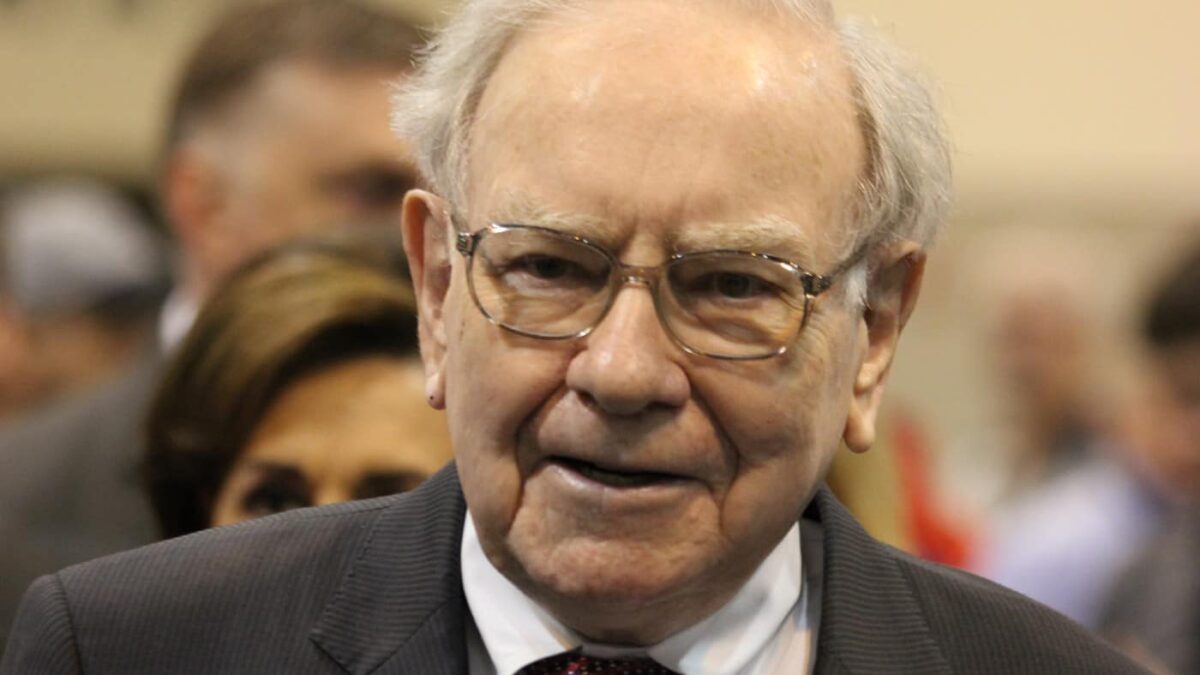
I’m using the Warren Buffett method to find cheap UK shares

One of the ways investor Warren Buffett has grown his fortune is by being clear about the difference between price and value. Price is what one pays, but value is what one gets.

So when Buffett talks about shares being cheap, he is not referring only to their price. Instead, he is looking at what they cost and then comparing it to how much value he thinks they may generate in future. As a private investor, I see that as a lesson I can apply to my own portfolio.

5 Stocks For Trying To Build Wealth After 50

Markets around the world are reeling from the coronavirus pandemic… and with so many great companies trading at what look to be ‘discount-bin’ prices, now could be the time for savvy investors to snap up some potential bargains.

But whether you’re a newbie investor or a seasoned pro, deciding which stocks to add to your shopping list can be a daunting prospect during such unprecedented times.

Fortunately, The Motley Fool UK analyst team have short-listed five companies that they believe STILL boast significant long-term growth prospects despite the global upheaval…

We’re sharing the names in a special FREE investing report that you can download today. And if you’re 50 or over, we believe these stocks could be a great fit for any well-diversified portfolio.

Click here to claim your free copy now!

Hunting for value

How does Buffett try to judge the future value a share may generate? It is an imprecise science. But basically he estimates what free cash flows a company can generate in future, per share. It is easier to create such cash flows in the long-term if a company has unique assets that allow it to charge a premium price. For example, it may have a proprietary product formula like Coca-Cola or an entrenched customer base like National Grid.

Future cash flows also rely on future demand. There is little point in a company having a unique edge in an industry that is about to become extinct. That also can be hard to assess, especially with the fast pace of technological development. Buffett reckons some goods or services will remain in demand no matter what happens. For example, people will still need to buy food. They will still need healthcare.

Warren Buffett pays close attention to such enduring industries. He also applies another principle when trying to select shares that have long-term potential. He only invests in businesses he understands. By staying inside his ‘circle of competence’, the Sage of Omaha reckons he is better able to judge what the future prospects may be for a company. I can apply the same approach no matter how small my portfolio is.

After considering a company’s possible future free cash flows, Buffett looks at its share price. The lower it is compared to a company’s future cash flows, the more interested he is likely to be. Estimating those cash flows in detail can be difficult. So Buffett pays close attention to business assets he thinks might help generate lots of cash, such as iconic brands or distribution networks a competitor would struggle to match.

Looking for cheap UK shares

I think this method can help me identify cheap UK shares like the US ones that form most of Buffett’s portfolio. That is because the underlying principles are basically the same on both sides of the pond. Drivers of long-term value such as an iconic brand or unique technology are relevant to business success in the UK as much as the US. The gap between a company’s likely future free cash flows and its current price can help me identify value in either market.

Applying the Buffett approach, I would consider adding three UK companies to my portfolio. Given their future earnings growth potential, they look cheap to me right now.

Unilever

Buffett actually made a bid for Unilever (LSE: ULVR) a few years ago, although his approach was unsuccessful. Today I can pick up Unilever shares at a lower price than Buffett offered.

The underwhelming performance of the Unilever share price in recent years reflects some challenges that continue to threaten the business. For example, cost inflation may lead to profit margins being squeezed. Consumers tightening their belts in struggling economies could cut demand for Unilever’s premium brands like Dove.

But I think such brands are also a source of long-term competitive advantage. That could help Unilever continue to produce strong cash flows for decades to come. Buffett is a big fan of premium consumer brands. Unilever owns a portfolio that it would be almost impossible for a competitor to replicate from scratch. They are used by billions of people daily. That is why I have taken advantage of recent share price weakness to add the company to my portfolio.

Victrex

Another example of a company with the sort of competitive advantage or ‘moat’ that Warren Buffett likes is Victrex (LSE: VCT). The industrial firm supplies business customers with polymers. These are used in a range of applications, including in cars and planes.

Victrex has its own product technology. That gives it a unique place in its market. The products are used in situations where safety is critical. That allows Victrex to charge premium prices, helping to support profits.

This all adds up to an attractive business model in my view. But there are risks too. Victrex has a concentrated manufacturing footprint. So any unexpected shutdown at its main factory could seriously reduce revenues and profits. Like Buffett, I try to reduce my risks by diversifying across different companies. I would therefore happily add Victrex to my portfolio, alongside other companies.

Judges Scientific

A company that reminds me of Buffett’s own Berkshire Hathaway is Judges Scientific (LSE: JDG). Judges does not have a wide spread of businesses like Berkshire. But it uses a similar business model in which a small central office buys subsidiaries and allocates capital between them. That helps to keep overheads low. But the company’s focus on the scientific instrument market means it can charge premium prices. Similarly to Victrex, catering to applications where quality is crucial means that customers are willing to pay high prices.

This is a lucrative business. Judges has delivered double-digit percentage dividend increases in recent years. One concern I have is the low barriers to entry in building a copycat business. A competitor attracted by Judges’ profit margins could aim to build a similar holding company by bidding for the sorts of assets Judges has been targeting. If that happened, it could push up acquisition costs and harm margins.

Judges’ management has proven the potential of its business model so far. Given Judges’ strong growth prospects, I see the shares as offering value. I would consider adding them to my portfolio.

Inflation Is Coming: 3 Shares To Try And Hedge Against Rising Prices

Make no mistake… inflation is coming.

Some people are running scared, but there’s one thing we believe we should avoid doing at all costs when inflation hits… and that’s doing nothing.

Money that just sits in the bank can often lose value each and every year. But to savvy savers and investors, where to consider putting their money is the million-dollar question.

That’s why we’ve put together a brand-new special report that uncovers 3 of our top UK and US share ideas to try and best hedge against inflation…

…because no matter what the economy is doing, a savvy investor will want their money working for them, inflation or not!

Best of all, we’re giving this report away completely FREE today!

Simply click here, enter your email address, and we’ll send it to you right away.


Christopher Ruane owns shares in Unilever. The Motley Fool UK has recommended Judges Scientific, Unilever, and Victrex. Views expressed on the companies mentioned in this article are those of the writer and therefore may differ from the official recommendations we make in our subscription services such as Share Advisor, Hidden Winners and Pro. Here at The Motley Fool we believe that considering a diverse range of insights makes us better investors.

Panic stations! 3 reasons why Bitcoin and crypto prices are plummeting

Image source: Getty Images


Once again there’s blood on the streets in the world of crypto. The price of Bitcoin and most other assets in the cryptocurrency market have been tanking in value.

Here’s a look at what’s going on with digital assets right now and three reasons why prices have been heading on a downwards trajectory.

What’s happening to the price of Bitcoin?

As the world’s largest and most infamous cryptocurrency, you can often get an idea about what the crypto market is doing just by looking at the price of Bitcoin (BTC).

After hitting highs of around $68,000 (£50,000) during November 2021, Bitcoin has been tumbling ever since. Recently, the price has been declining at a rapid pace. So much so that at the time of writing, the value is down to around $33,500 (£25,000).

So, in just a few months, the biggest cryptocurrency in the world has lost roughly half its value. But this is just par for the course in the digital asset space and something we also saw happen last summer.

It’s not just Bitcoin that’s bleeding; the rest of the market is also suffering. And in most cases, coins and tokens are seeing much more severe drops, with hundreds of billions being swept away from the total market cap.

Why are Bitcoin and other crypto prices dropping?

This is a complicated question, and there’s more than one factor at play when the market tanks like this. Right now, these are the three main culprits that I suspect are causing pain in the market.

1. Russia’s crypto crackdown

Russia is the latest country to try and squash the Bitcoin mining industry within its borders.

This is something we saw happen last year in China, and it had a similarly devastating effect on the market. However, in this case, it’s not an actual ban – yet. It’s just a proposal to ban the use and mining of cryptocurrencies.

Nevertheless, this news doesn’t bode well for the likes of Bitcoin. The cryptocurrency will struggle to fulfil its promise of being a globally distributed ledger if it can’t be accessed or used in some of the world’s biggest and most influential countries.

2. Inflation and wider tech sell-off

To combat rising inflation figures, the US Federal Reserve has already announced plans for multiple interest rate hikes this year. This is something the UK is already in the process of doing to combat inflation.

The reaction to this decision has led to a wider tech sell-off amongst investors. Many are rotating money out of riskier assets that promise growth. Instead, they are looking towards value investing, which can involve buying shares in firms that won’t be as harshly affected by the powers of inflation.

Under this reasoning, cryptocurrency will likely be the asset most investors’ sell first. This is simply because it’s the riskiest and most speculative part of most portfolios.

3. The end of a four-year crypto cycle

Since the inception of Bitcoin (and the other cryptos that followed), the market has tended to eerily follow a four-year cycle.

During each cycle, usually after each Bitcoin ‘halving’, the value of cryptocurrencies surges and everyone says ‘this time it’s different!’ But then, sure enough, the cycle ends and these assets move into catastrophic bear markets that last years.

It may be the case that in anticipation of this cycle ending, many investors have decided to sell their crypto assets. And so, what we’re seeing is a self-fulfilling prophecy. If everyone thinks values will drop because it’s the end of the cycle, people sell in droves. This sets off a chain reaction which then leads into the next multi-year bear market.

Investing in Cryptocurrency is extremely high risk and complex. The Motley Fool has provided this article for the sole purpose of education and not to help you decide whether or not to invest in Cryptocurrency. Should you decide to invest in Cryptocurrency or in any other investment, you should always obtain appropriate financial advice and only invest what you can afford to lose.

Was this article helpful?

YesNo


Some offers on The Motley Fool UK site are from our partners — it’s how we make money and keep this site going. But does that impact our ratings? Nope. Our commitment is to you. If a product isn’t any good, our rating will reflect that, or we won’t list it at all. Also, while we aim to feature the best products available, we do not review every product on the market. Learn more here. The statements above are The Motley Fool’s alone and have not been provided or endorsed by bank advertisers. John Mackey, CEO of Whole Foods Market, an Amazon subsidiary, is a member of The Motley Fool’s board of directors. The Motley Fool UK has recommended Barclays, Hargreaves Lansdown, HSBC Holdings, Lloyds Banking Group, Mastercard, and Tesco.


Should I buy the crumbling Argo Blockchain share price?

As investors have started to mark down the price of many tech shares, it is little surprise to me that Argo Blockchain (LSE: ARB) has seen its shares tumble. Indeed, after falling 20% in today’s trading session, at the time of writing this article, the Argo Blockchain share price is 27% lower than a year ago.

Is this a buying opportunity for my portfolio? Or could it simply be a sign of worse things to come for Argo shareholders?

5 Stocks For Trying To Build Wealth After 50

Markets around the world are reeling from the coronavirus pandemic… and with so many great companies trading at what look to be ‘discount-bin’ prices, now could be the time for savvy investors to snap up some potential bargains.

But whether you’re a newbie investor or a seasoned pro, deciding which stocks to add to your shopping list can be a daunting prospect during such unprecedented times.

Fortunately, The Motley Fool UK analyst team have short-listed five companies that they believe STILL boast significant long-term growth prospects despite the global upheaval…

We’re sharing the names in a special FREE investing report that you can download today. And if you’re 50 or over, we believe these stocks could be a great fit for any well-diversified portfolio.

Click here to claim your free copy now!

Crypto exposure

The company operates data centres, which are focussed on mining cryptocurrencies like Bitcoin. It also mines crypto itself. I think most of the investor enthusiasm about Argo over the past couple of years has centred on its own crypto mining efforts rather than the business potential of leasing space in its data centres to other users. I reckon the data centres could provide helpful revenue streams, though. That does not necessarily rely on them being used just to mine crypto. Data centre demand in general has seen strong growth in recent years and I expect that to continue.

Crypto pricing has been highly volatile recently. I also expect that to remain the case. As investors have worried about falls in crypto pricing, those concerns have hurt the Argo investment case. Its own mining operation and crypto assets are affected by crypto valuations. As Bitcoin pricing slides, the Argo share price will likely follow.

Growth costs

On top of that, Argo has been investing to scale its business. It is constructing a big new data centre in Texas. The growth plans have added costs to the business and Argo has issued debt to help fund them. There is also a risk that to raise more money in future, the company will issue more shares. That could dilute existing shareholdings.

The financial case for expansion hinges on crypto pricing. If crypto values crash, the data centre could turn out to be an expensive white elephant. On the other hand, if prices recover or improve, the data centre might help Argo scale its business profitably.

Political risks

Yet another factor weighing on the Argo share price is the growing number of countries banning crypto mining. If that leads to price falls, I see it as bad for Argo.

But I think it could also be an opportunity. If the US allows mining to continue while some other countries ban it, the Texas facility could prove to be a competitive advantage for Argo.

My next move on the Argo Blockchain share price

The sheer variety of risks that are weighing on miners including Argo indicate the risky nature of investing in Argo.

Risks can sometimes bring opportunities and indeed reward. I think the Texas facility could help boost the company’s mining output. Depending on crypto pricing, that could help its future profitability. I also like the company’s expertise in data centre business, which as a business model I do not think relies solely on crypto pricing.

But the quickly shifting political risks involved mean I am wary of buying more Argo shares, even after the recent price falls. Argo shares are being strongly affected by the price volatility of crypto, over which the company has no control. For now, I plan to keep holding my Argo shares — but not to increase my position.


Christopher Ruane owns shares in Argo Blockchain. The Motley Fool UK has no position in any of the shares mentioned. Views expressed on the companies mentioned in this article are those of the writer and therefore may differ from the official recommendations we make in our subscription services such as Share Advisor, Hidden Winners and Pro. Here at The Motley Fool we believe that considering a diverse range of insights makes us better investors.

The content in this article is provided for information purposes only. It is not intended to be, neither does it constitute, any form of investment advice. Bitcoin and other cryptocurrencies are highly speculative and volatile assets, which carry several risks, including the total loss of any monies invested. Readers are responsible for carrying out their own due diligence and for obtaining professional advice before making any investment decisions.

Financial News

Daily News on Investing, Personal Finance, Markets, and more!

Financial News

Policy(Required)