EV boom: should I invest in UK lithium shares amid explosive demand?

In 2021, 6.4m electric cars were sold, which is 98% higher than in 2020. Global manufacturing powerhouses are stepping up battery production to keep up. And lithium prices are skyrocketing in China, where the demand is at an all-time high. The cost of battery-grade lithium is up over 20% since December and closing in on the US$40,000 per tonne mark. Does this demand mean that lithium shares will see exponential growth in 2022 as well?

The lithium market supply chain is not a straightforward one, where companies can simply increase supply to quell demand. Natural resources come with a multitude of governmental restrictions and lobbying which makes this tricky to call. Here I will look at the pros and cons of investing in lithium today and two UK lithium shares on my watchlist that could benefit.

5 Stocks For Trying To Build Wealth After 50

Markets around the world are reeling from the coronavirus pandemic… and with so many great companies trading at what look to be ‘discount-bin’ prices, now could be the time for savvy investors to snap up some potential bargains.

But whether you’re a newbie investor or a seasoned pro, deciding which stocks to add to your shopping list can be a daunting prospect during such unprecedented times.

Fortunately, The Motley Fool UK analyst team have short-listed five companies that they believe STILL boast significant long-term growth prospects despite the global upheaval…

We’re sharing the names in a special FREE investing report that you can download today. And if you’re 50 or over, we believe these stocks could be a great fit for any well-diversified portfolio.

Click here to claim your free copy now!

Will the lithium demand cool down?

China controls a majority of the global lithium production and supply, which gives the nation a lot of pricing power. But the US and Europe recognise the need to establish other supply routes to prevent China from having a lithium monopoly. The Biden government released a National Blueprint for Lithium Batteries 2021-2030. This highlights ways in which the US can gain a competitive edge in the lithium market.

In fact, analysts are expecting a global lithium regulatory body in the coming years that will govern the global supply chain. All these developments could affect lithium prices in the future. But the estimates suggest that demand for lithium will remain high throughout 2022 given EV backorders and new model launches.  

But EV tech is growing fast, which means recycling methods and alternatives are not far behind. This puts lithium firmly in the price discovery phase right now. Also, a single mine can take 10 years to mature into expected production levels and seasoned analysts are unsure on how lithium supply can quickly grow to meet demand. The 548% jump in lithium carbonate price since 2020 could just be the start or a reactionary jump that could stabilise in the coming years.

EVs are here to stay

Despite making up just 4% of the automobile market in 2020, EVs have received governmental backing after COP 26 and engineers expect the tech to grow rapidly. And battery production has to match demand in the wider EV market.

What does this mean for UK lithium shares? Well, I think the growing demand for lithium as an opportunity for focused miners like Zinnwald Lithium. Its mining project in Germany has the capacity to produce and process 665,238 tonnes of lithium carbonate over 30 years. But mining efforts can be subject to strict regulations, highlighted by the Serbian government’s decision to revoke licenses from mining giant Rio Tinto’s $2.4bn lithium mine in the Jadar Valley.

This brings me to Ilika, a battery R&D company specialising in solid-state battery technology for a wide range of applications including EVs. This could replace liquid-based lithium batteries in EVs, which could improve battery recyclability. And the tech is widely applicable across multiple sectors.

But again, Ilika is still in its infancy and remains loss-making. The company raised £2m last year and could take two years to reach production. But the technology the company is working on could be very valuable, which is why its share price has jumped 322% since 2020. Both lithium shares could benefit from the demand, which is why I would consider a £1,000 investment if the EV market remains healthy. 

Our 5 Top Shares for the New “Green Industrial Revolution”

It was released in November 2020, and make no mistake:

It’s happening.

The UK Government’s 10-point plan for a new “Green Industrial Revolution.”

PriceWaterhouse Coopers believes this trend will cost £400billion…

…That’s just here in Britain over the next 10 years.

Worldwide, the Green Industrial Revolution could be worth TRILLIONS.

It’s why I’m urging all investors to read this special presentation carefully, and learn how you can uncover the 5 companies that we believe are poised to profit from this gargantuan trend ahead!

Access this special “Green Industrial Revolution” presentation now


Suraj Radhakrishnan has no position in any of the shares mentioned. The Motley Fool UK has no position in any of the shares mentioned. Views expressed on the companies mentioned in this article are those of the writer and therefore may differ from the official recommendations we make in our subscription services such as Share Advisor, Hidden Winners and Pro. Here at The Motley Fool we believe that considering a diverse range of insights makes us better investors.

Nationwide RAISES savings rates by up to 0.5%: how do the new rates compare?

Image source: Getty Images


Markets suggest there is a 95% chance the Bank of England will up its base rate to 0.5% next week and savings rates are already starting to rise in anticipation.

So, with Nationwide being one of the first to move, how do its new rates compare with the rates offered by other savings accounts? Let’s take a look.

Is the base rate due to rise again?

According to data from CME Group, markets are 95% sure the Bank of England’s Monetary Policy Committee will up its base rate from 0.25% to 0.5% when it next meets on 3 February. If that happens, it will be the second time the committee has acted in the space of two months. 

That’s because the BoE previously raised its base rate from its pandemic low of 0.1% to 0.25% in mid-December. 

The base rate is a big deal, as it sets the rate at which banks can lend to one another. A low base rate, as the UK has been used to for several years, means banks can access money cheaply. As a result, a low rate means there’s little need for providers to offer high savings rates to attract retail deposits. This is why we’ve seen such low savings rates in recent years, especially over the past 18 months or so. 

Yet with the base rate predicted to rise again, it’s possible savers will soon see better savings rates. In fact, Nationwide has already made moves in anticipation of a rise. 

How has Nationwide changed its savings rates?

Nationwide has announced it will be increasing the savings rates on several of its savings accounts. Increased rates of up to 0.5% will apply to its Flex Regular saver, Help to Buy ISA and Children’s savings accounts. The changes will take effect from 1 February.

Commenting on the rate increases, Tom Riley, director of banking and savings at Nationwide, said that the building society is keen to show they are committed to savers. He explained: “As one of the first major savings providers to announce its changes, we’re demonstrating our commitment to savers, particularly children and regular savers, such as those saving for their first home.”

“We continue to focus on providing a range of competitive savings products to our members. In recent months our average deposit rate has been two-thirds higher than the market average, but we also need to balance our savings rates with the need to ensure we provide good value for our borrowers and continue to invest in services that are important for our members.”

How do Nationwide’s new rates compare? 

Let’s take a look at how Nationwide’s Flex Regular saver, Help to Buy ISA and children’s savings accounts will compare once the new rates come into effect.

Nationwide Flex Regular Saver

When the changes come into effect, Nationwide’s Flex Regular Saver interest rate will increase from 2% to 2.5% AER variable. 

The account is available to customers who already have a Nationwide current account. With this in mind, it’s similar to the NatWest and RBS regular savings accounts which both pay 3.04% AER variable. This rate is more than 0.5% higher than Nationwide’s new rate.

However, it’s worth knowing that the NatWest and RBS accounts only allow you to save up to £50 per month. Nationwide, on the other hand, allows you to deposit up to £200 per month.

Nationwide’s Help to Buy ISA

The savings rate on Nationwide’s Help to Buy ISA will increase by 0.25% to 1.25% AER variable. This means the account will offer the second-highest Help to Buy ISA savings rate after the Newcastle Building Society, which pays 1.64% AER variable.

The Help to Buy ISA has now closed to new applicants. However, if you already have an account, you’re free to transfer it to another provider. For more on this, see our article on whether the Help to Buy ISA is still available.

Nationwide’s children’s savings accounts

As well as upping the savings rates on its regular savings and Help to Buy ISA accounts, Nationwide is also increasing rates on all of its children’s savings accounts by 0.25%.

This means that Nationwide’s Future Saver and Junior ISA will pay 1.25% AER variable from 1 February. However, the accounts still won’t be market-leading even after the rate increases.

That’s because, right now, the highest interest rate on a children savings account is 3% via the Santander 123 mini account. You’ll get this rate as long as your child has between £1,500 and £2,000 to save. Meanwhile, the highest rate offered on a Junior ISA is 2.25% AER variable via Tesco Bank.

Are you are looking for the highest savings rates? See our list of top-rated savings accounts.

Was this article helpful?

YesNo


Some offers on The Motley Fool UK site are from our partners — it’s how we make money and keep this site going. But does that impact our ratings? Nope. Our commitment is to you. If a product isn’t any good, our rating will reflect that, or we won’t list it at all. Also, while we aim to feature the best products available, we do not review every product on the market. Learn more here. The statements above are The Motley Fool’s alone and have not been provided or endorsed by bank advertisers. John Mackey, CEO of Whole Foods Market, an Amazon subsidiary, is a member of The Motley Fool’s board of directors. The Motley Fool UK has recommended Barclays, Hargreaves Lansdown, HSBC Holdings, Lloyds Banking Group, Mastercard, and Tesco.


My favourite Warren Buffett stock for 2022

Investing legend Warren Buffett has been buying shares for decades. He has made some spectacularly good choices over the years (along with some poor ones). Right now there is one Warren Buffett stock I am particularly excited about for this year. I am considering adding to my own portfolio for the continued strong growth prospects I believe it has.

Tech giant

The stock in question is Apple (NASDAQ: AAPL). The company this month became the first to hit a market capitalisation of three trillion dollars, showing what a giant it has become. Since then it has been caught up in the broader tech sell-off and the Apple share price has fallen. Despite that, it is still 16% higher than it was a year ago.

5 Stocks For Trying To Build Wealth After 50

Markets around the world are reeling from the coronavirus pandemic… and with so many great companies trading at what look to be ‘discount-bin’ prices, now could be the time for savvy investors to snap up some potential bargains.

But whether you’re a newbie investor or a seasoned pro, deciding which stocks to add to your shopping list can be a daunting prospect during such unprecedented times.

Fortunately, The Motley Fool UK analyst team have short-listed five companies that they believe STILL boast significant long-term growth prospects despite the global upheaval…

We’re sharing the names in a special FREE investing report that you can download today. And if you’re 50 or over, we believe these stocks could be a great fit for any well-diversified portfolio.

Click here to claim your free copy now!

In fact, one of the reasons I am so enthusiastic about Apple is its ability to confound its critics. For years, bears have been arguing that the company is overvalued. They point to rising competition from other mobile phone makers. Apple’s perceived lack of innovation is seen as a threat to future profitability. Political risks to its supply chain could also hurt revenues.

Yet despite all of those risks, Apple just keeps powering on. Last year, revenues soared by 33% to $366bn. The operating income of $95bn means that Apple was earning close to $2bn a week. To put those figures into context, last year Apple earned in around 11 days what two leading UK telecoms companies Vodafone and BT earned all year from their entire businesses.

Future outlook

Past performance is not a guide to the future, however. But I remain optimistic about the outlook for Apple. It has a large entrenched customer base, a premium brand that gives it pricing power and an ecosystem that encourages existing customers to increase their spending with the company. Like Warren Buffett, I think all of those things could help Apple maintain strong earnings for years or even decades to come.

This week the company released its first quarter earnings statement. Revenue grew 11% compared to the same quarter last year. Net quarterly profit per diluted share was up 25%. That sort of strong growth suggests that the Apple ecosystem is a source of ongoing competitive advantage that could help future earnings. Services now account for almost 16% of the company’s revenues. As that figure increases, it reduces the company’s reliance on selling more iPhones to boost revenues.

I would consider buying this Warren Buffett stock

Buffett’s holding — 5.4% of Apple – is now worth $144.5bn compared to the $31bn he paid for it. That is a phenomenal gain. But amazingly, Buffett did not achieve that by getting in early with Apple. In fact, he only started buying the shares in 2016.

That gives me hope that I can also benefit from continued success at Apple by adding it to my portfolio, like Warren Buffett.


Christopher Ruane has no position in any of the shares mentioned. The Motley Fool UK has recommended Apple and Vodafone. Views expressed on the companies mentioned in this article are those of the writer and therefore may differ from the official recommendations we make in our subscription services such as Share Advisor, Hidden Winners and Pro. Here at The Motley Fool we believe that considering a diverse range of insights makes us better investors.

What’s going on with the Scottish Mortgage share price?

Shareholders in Scottish Mortgage Investment Trust (LSE: SMT) had got used to strong returns for a number of years. So it must have been an unwelcome change to see the Scottish Mortgage share price slide 19% over the past 12 months.

Does this fall present a buying opportunity for my portfolio? Or could the Scottish Mortgage share price head further south?

5 Stocks For Trying To Build Wealth After 50

Markets around the world are reeling from the coronavirus pandemic… and with so many great companies trading at what look to be ‘discount-bin’ prices, now could be the time for savvy investors to snap up some potential bargains.

But whether you’re a newbie investor or a seasoned pro, deciding which stocks to add to your shopping list can be a daunting prospect during such unprecedented times.

Fortunately, The Motley Fool UK analyst team have short-listed five companies that they believe STILL boast significant long-term growth prospects despite the global upheaval…

We’re sharing the names in a special FREE investing report that you can download today. And if you’re 50 or over, we believe these stocks could be a great fit for any well-diversified portfolio.

Click here to claim your free copy now!

Tech focus

The simplest explanation for the downward movement in the SMT share price is the trust’s heavy tech focus. Its top 10 holdings include tech names such as ASML, NVIDIA and NIO. Such companies have seen their share prices tumble lately. NIO, for example, is 64% down over the past year. Thanks to its heavy tech focus, when tech shares did very well, so did SMT. But now that many leading tech shares are experiencing substantial falls, the same is happening for SMT.

I do not think that is the whole picture, though. the firm has been reshaping its focus and there is more in its portfolio than tech alone. Indeed, its single biggest holding is pharma giant Moderna. Another top 10 holding from outside the tech world is luxury goods maker Kering. That means that, although further tech falls could keep hurting the share price, it may get some support from other holdings. For example, luxury goods are in strong demand at the moment and Kering has risen 17% over the past year.

Changing of the guard

An additional concern some investors have is that the trust plans to change its management. Its co-manager is stepping down this year after four decades at the investment firm that runs it.

Is that good or bad for the shares? Clearly performance over the past few years was excellent, suggesting that the fund managers did a great job. But a good fund is not reliant on a single personality, in my view. It has an investment strategy, relationships in the City and a research team that mean it could do well under different leaders. Only time will tell if that is the case at SMT. But for now at least, I have no reason to doubt that the trust’s management will continue to be good. It is in the best interests of the investment firm that runs it to keep it that way.

Potential for Scottish Mortgage price recovery

Even after the recent fall, I see reasons for me to remain bearish on the Scottish Mortgage share price. Despite its diversification, the firm remains heavily weighted to tech. There is a risk that tech shares could keep losing ground, hurting the SMT share price further.

Even the non-tech names may suffer amid valuation concerns. Moderna has slipped 7%, for example. I think further market corrections could see the share price continuing to lose ground in the weeks to come. I will not be buying the trust for my portfolio.

Is this little-known company the next ‘Monster’ IPO?

Right now, this ‘screaming BUY’ stock is trading at a steep discount from its IPO price, but it looks like the sky is the limit in the years ahead.

Because this North American company is the clear leader in its field which is estimated to be worth US$261 BILLION by 2025.

The Motley Fool UK analyst team has just published a comprehensive report that shows you exactly why we believe it has so much upside potential.

But I warn you, you’ll need to act quickly, given how fast this ‘Monster IPO’ is already moving.

Click here to see how you can get a copy of this report for yourself today


Christopher Ruane has no position in any of the shares mentioned. The Motley Fool UK has recommended ASML Holding. Views expressed on the companies mentioned in this article are those of the writer and therefore may differ from the official recommendations we make in our subscription services such as Share Advisor, Hidden Winners and Pro. Here at The Motley Fool we believe that considering a diverse range of insights makes us better investors.

Metaverse stocks are getting slammed! Here’s what’s on my shopping list

Most of the top metaverse stocks have a few similar characteristics. First, many are listed in the US. Second, many are classified as high-growth stocks. Unfortunately, this hasn’t been a great mix for January, with stock markets in the US falling lower due to concerns about the pace of interest rate hikes. Given the fact that high-growth stocks are most sensitive to changing sentiment, many have seen a major move lower. This does offer some good value in my opinion, so here are a few stocks that I might buy.

Identifying where to buy

Last month, I wrote about how I can get exposure to top metaverse stocks in different ways. In short, I can go direct and invest in stocks that are very dependent on the metaverse taking off. Alternatively, I can be less direct and look at the stocks that are involved in some way, but also have other lines of revenue. This makes them less dependent on the success of adoption of the metaverse. 

5 Stocks For Trying To Build Wealth After 50

Markets around the world are reeling from the coronavirus pandemic… and with so many great companies trading at what look to be ‘discount-bin’ prices, now could be the time for savvy investors to snap up some potential bargains.

But whether you’re a newbie investor or a seasoned pro, deciding which stocks to add to your shopping list can be a daunting prospect during such unprecedented times.

Fortunately, The Motley Fool UK analyst team have short-listed five companies that they believe STILL boast significant long-term growth prospects despite the global upheaval…

We’re sharing the names in a special FREE investing report that you can download today. And if you’re 50 or over, we believe these stocks could be a great fit for any well-diversified portfolio.

Click here to claim your free copy now!

When I consider the January sell-off, stocks that have more direct exposure have been hit the hardest. For example, I can compare Roblox with Sony. Roblox is a virtual game designer and software developer. In effect, it houses the virtual world that users can then go in and use. Over the past month, the share price is down 42%.

By comparison, Sony is a well-known conglomerate with a division in electronics hardware. It’s one of the leading producers of virtual reality headsets. Over the past month, the share price has fallen 19% (although it’s up over a year). From this comparison I can see that general negative risk sentiment has more heavily impacted the companies that are more reliant on the metaverse.

Long-term plays on metaverse stocks

Even though interest in the metaverse increased significantly in H2 last year, I still feel that it’ll take a few more years to fully get users on board. So I see the sector as a long-term play. In this regard, the high volatility is something that I’ll have to learn to deal with.

As we currently stand, my risk tolerance is high enough for me to want to buy direct metaverse stocks, such as Roblox. The company is trading at $57, below the $70 IPO price less than one year ago. I just can’t see how 42% of value has been wiped off the company in the past month, when Q3 results in November showed revenue up 102% year-on-year.

Aside from Roblox, Unity Software is another stock I’ve got on my shopping list. The company specialises in game development software. It has also recently bought Weta Digital, which created the special effects for Game of Thrones and Avatar. 

In terms of risks, volatility is one to be aware of. Such stocks can see extreme drawdowns in a short period of time. Another risk is that the metaverse is still in its early stages. Depending on the end destination, some of the metaverse stocks I buy might not have a role in this new world, rendering them potentially worthless.


Jon Smith has no position in any share mentioned. The Motley Fool UK has recommended Unity Software Inc. Views expressed on the companies mentioned in this article are those of the writer and therefore may differ from the official recommendations we make in our subscription services such as Share Advisor, Hidden Winners and Pro. Here at The Motley Fool we believe that considering a diverse range of insights makes us better investors.

How I’d use stocks and shares to build a seven-figure pension

I think it is possible for me to build a seven-figure pension using stocks and shares. I should make it clear that this is far from guaranteed. Investing can be a risky business.

While my figures show that I can build a £1m portfolio by investing, there are plenty of reasons why I may miss this target. The market could underperform, I could miss my savings target, or make the wrong investment. These are just three reasons why I may fail. There are plenty more. 

5 Stocks For Trying To Build Wealth After 50

Markets around the world are reeling from the coronavirus pandemic… and with so many great companies trading at what look to be ‘discount-bin’ prices, now could be the time for savvy investors to snap up some potential bargains.

But whether you’re a newbie investor or a seasoned pro, deciding which stocks to add to your shopping list can be a daunting prospect during such unprecedented times.

Fortunately, The Motley Fool UK analyst team have short-listed five companies that they believe STILL boast significant long-term growth prospects despite the global upheaval…

We’re sharing the names in a special FREE investing report that you can download today. And if you’re 50 or over, we believe these stocks could be a great fit for any well-diversified portfolio.

Click here to claim your free copy now!

Still, I believe I can build a large nest egg with stocks and shares, even if there are a few bumps along the road. 

Stocks and share for growth 

I am not buying any old companies for my portfolio. I am focusing on high-quality stocks. These are businesses that have high profit margins, strong balance sheets and competitive advantages

While past performance should never be used to guide future potential when investing, a company’s performance history can indicate its strengths and weaknesses. I can use this information to make an informed decision about its long-term potential. 

For example, two of my favourite stocks and shares in the FTSE 100 right now are Admiral and Prudential. These businesses have developed strong brands and competitive advantages over the past decade.

Over the next few years, they will be able to lean on these advantages to drive further growth. While they may face headwinds along the way, such as completion and rising interest rates, I think both stocks can help me hit my savings target. 

If I can earn an annual return of 12% from my basket of investments, I think I can build a seven-figure pension within 30 years. This is based on a couple of assumptions. The first is that I will be able to save £500 a month for 30 years. That is far from guaranteed. 

What’s more, there is no guarantee my investments will return 12% per annum for 30 years. If these businesses can make the most of their competitive advantages, I think they can. However, if they start to lose market share to competitors, the returns could be underwhelming. 

Saving for the future 

These risks will be present in any investment strategy so it is important for me to consider them while planning for the future. 

However, while investing in stocks and shares can help me meet my retirement goals, regular saving is far more important. I will fail to meet my target without regular savings deposits, even if my investments produce a double-digit annual return. So I will need to stick to my saving plan over the next three decades, or my whole approach could fall apart. 

While I will have to manage many risks and challenges with this approach, I believe I can build a seven-figure nest egg with the regular saving and investment plan outlined above. 

5 Stocks For Trying To Build Wealth After 50

Markets around the world are reeling from the coronavirus pandemic…

And with so many great companies still trading at what look to be ‘discount-bin’ prices, now could be the time for savvy investors to snap up some potential bargains.

But whether you’re a newbie investor or a seasoned pro, deciding which stocks to add to your shopping list can be a daunting prospect during such unprecedented times.

Fortunately, The Motley Fool is here to help: our UK Chief Investment Officer and his analyst team have short-listed five companies that they believe STILL boast significant long-term growth prospects despite the global lock-down…

You see, here at The Motley Fool we don’t believe “over-trading” is the right path to financial freedom in retirement; instead, we advocate buying and holding (for AT LEAST three to five years) 15 or more quality companies, with shareholder-focused management teams at the helm.

That’s why we’re sharing the names of all five of these companies in a special investing report that you can download today for FREE. If you’re 50 or over, we believe these stocks could be a great fit for any well-diversified portfolio, and that you can consider building a position in all five right away.

Click here to claim your free copy of this special investing report now!


Rupert Hargreaves owns Admiral Group. The Motley Fool UK has recommended Admiral Group and Prudential. Views expressed on the companies mentioned in this article are those of the writer and therefore may differ from the official recommendations we make in our subscription services such as Share Advisor, Hidden Winners and Pro. Here at The Motley Fool we believe that considering a diverse range of insights makes us better investors.

2 FTSE 250 stocks to buy and 1 to avoid

Investing is as much about knowing which investments to avoid as knowing which ones to buy. Indeed, right now, it looks as if there are plenty of bargains in the FTSE 250. But some of these businesses I would not touch with a barge pole. 

With that in mind, here are two FTSE 250 stocks I would buy for my portfolio today and one company I do not own and would sell if I did. 

5 Stocks For Trying To Build Wealth After 50

Markets around the world are reeling from the coronavirus pandemic… and with so many great companies trading at what look to be ‘discount-bin’ prices, now could be the time for savvy investors to snap up some potential bargains.

But whether you’re a newbie investor or a seasoned pro, deciding which stocks to add to your shopping list can be a daunting prospect during such unprecedented times.

Fortunately, The Motley Fool UK analyst team have short-listed five companies that they believe STILL boast significant long-term growth prospects despite the global upheaval…

We’re sharing the names in a special FREE investing report that you can download today. And if you’re 50 or over, we believe these stocks could be a great fit for any well-diversified portfolio.

Click here to claim your free copy now!

Luxury market 

My first ‘buy’ company is the luxury watch retailer, Watches of Switzerland (LSE: WOSG). Demand for luxury watches has surged over the past two years. This company is rising to the challenge of growing demand by expanding worldwide.

With its windfall profits, the group is plotting a global expansion. It is looking to grow its market share in Europe and the US over the next few years through a combination of organic growth and acquisitions.

While this strategy is exciting, I am wary that many retailers have struggled in the past due to overexpansion. This is the most considerable risk the group faces. 

Despite this headwind, with more growth on the horizon, I am happy to add this FTSE 250 stock to my portfolio right now.  

Defensive income 

With uncertainty building in the global economy, I have also been looking for defensive equities to add to my portfolio. So I have settled on the water company Pennon (LSE: PNN).

Water is a highly defensive market. Corporations can increase their bills to consumers at a rate equal to, or above, the inflation rate every year, and customers usually have to pay as water is an essential service. 

That said, the most significant risk to the company’s growth is regulation in the long run. The water regulator, Ofwat, dictates how much Pennon is allowed to charge consumers. It could clamp down on the business if it thinks it is charging too much. 

Still, these qualities suggest that the business can continue to grow in an inflationary environment, making it the perfect stock to own right now. 

The shares also offer an attractive dividend yield of 3.4%, at the time of writing. This is not the highest dividend yield on the market, but the qualities outlined above suggest the dividend is more attractive than most. These are the reasons I would buy the stock right now. 

FTSE 250 stock in trouble 

While I would buy the companies outlined above, I would also sell Carnival (LSE: CCL) if I owned it and would certainly not buy it today. The cruise line operator nearly collapsed during the pandemic, and while customers are returning, it could be years before the business returns to full health. 

The debt it had to take on to push through the pandemic has severely weakened its balance sheet. It is not clear when the business will be able to start reducing these liabilities. Consumers are in no rush to return, and in the meantime, the enterprise continues to lose money. 

Nevertheless, the company’s outlook is not entirely negative. Some consumers are returning, and they seem willing to spend more. If this trend continues, its outlook may improve. 

However, I am not buying this recovery story, considering the risks outlined above. I think the two FTSE 250 stocks outlined in the first half of this article have much brighter prospects. 

FREE REPORT: Why this £5 stock could be set to surge

Are you on the lookout for UK growth stocks?

If so, get this FREE no-strings report now.

While it’s available: you’ll discover what we think is a top growth stock for the decade ahead.

And the performance of this company really is stunning.

In 2019, it returned £150million to shareholders through buybacks and dividends.

We believe its financial position is about as solid as anything we’ve seen.

  • Since 2016, annual revenues increased 31%
  • In March 2020, one of its senior directors LOADED UP on 25,000 shares – a position worth £90,259
  • Operating cash flow is up 47%. (Even its operating margins are rising every year!)

Quite simply, we believe it’s a fantastic Foolish growth pick.

What’s more, it deserves your attention today.

So please don’t wait another moment.

Get the full details on this £5 stock now – while your report is free.


Rupert Hargreaves has no position in any of the shares mentioned. The Motley Fool UK has recommended Pennon Group. Views expressed on the companies mentioned in this article are those of the writer and therefore may differ from the official recommendations we make in our subscription services such as Share Advisor, Hidden Winners and Pro. Here at The Motley Fool we believe that considering a diverse range of insights makes us better investors.

Brits think they need £355,000 to retire – but they’re wrong

Image source: Getty Images


The large majority of Brits have no clear idea of how much money they’ll need in retirement. Most don’t have a target number either and don’t know at what age they’d like to retire. Still, a surprisingly large number of Brits think they’ll “probably be fine” with a pension pot of about £355,000, according to financial planning and investment firm Sanlam Wealthsmiths.

For most Brits, however, this amount will fall way short.

How much money do you need?

A pension pot of £355,000 equals an annual income of just £13,000. This is actually lower than the average UK pension, which provides £15,080 per year. And it’s a lot less than the amount Brits say they feel they’d need per year in retirement, which comes at £34,000 a year. To achieve that amount, pension pots would have to be closer to £1 million.

Why are the numbers not adding up? Simply put, most people aren’t willing to do the maths. Others are not willing to make early decisions that would impact that number.

Why does age matter?

Until 2028, people can still access their pot as early as 55 years old (it will rise to 57 in 2028). But the earlier you retire, the more money you’ll need in your pension pot if your goal is to stop working completely. Somebody retiring at 55 and living until 81.2 (the average life expectancy in the UK), has a lot of years ahead that need to be covered by a pension.

According to the Pension and Lifetime Savings Association, those looking to retire at 55 will need £20,200 per year for a moderate lifestyle and £33,000 a year for a comfortable lifestyle. That will require a pension pot a lot higher than £355,000.

On the other hand, Unbiased points out that spending £40,000 per year (which wouldn’t be that hard to do if you wanted to travel or tackle big home repairs after retirement) would mean you need a £650,000 pension pot instead. That’s close to double what the average Brit thinks they would need to retire.

How much money will you have when you retire? 

If you aren’t sure how much money you’ll get once you retire, places like MoneyHelper have pension calculators available. Keep in mind that these calculators will give you a forecast of the likely pension income you’ll get once you retire. The numbers aren’t exact and might change if your contributions change along the way.

How can you boost your pension pot?

The easiest way to boost your pension is to put more money into it. You can take advantage of any salary increases to pay more into your pension or pay into a private pension. Or you can ask your employer if they will match your contributions.

You should also look into consolidating your pensions from different employers to save fees. But, more importantly, you should set a target retirement income. Knowing how much money you want and need in retirement will help you plan better. If you’re behind with your government pension pot, you can then also look into investments or private pensions to make up the difference.

Was this article helpful?

YesNo


Some offers on The Motley Fool UK site are from our partners — it’s how we make money and keep this site going. But does that impact our ratings? Nope. Our commitment is to you. If a product isn’t any good, our rating will reflect that, or we won’t list it at all. Also, while we aim to feature the best products available, we do not review every product on the market. Learn more here. The statements above are The Motley Fool’s alone and have not been provided or endorsed by bank advertisers. John Mackey, CEO of Whole Foods Market, an Amazon subsidiary, is a member of The Motley Fool’s board of directors. The Motley Fool UK has recommended Barclays, Hargreaves Lansdown, HSBC Holdings, Lloyds Banking Group, Mastercard, and Tesco.


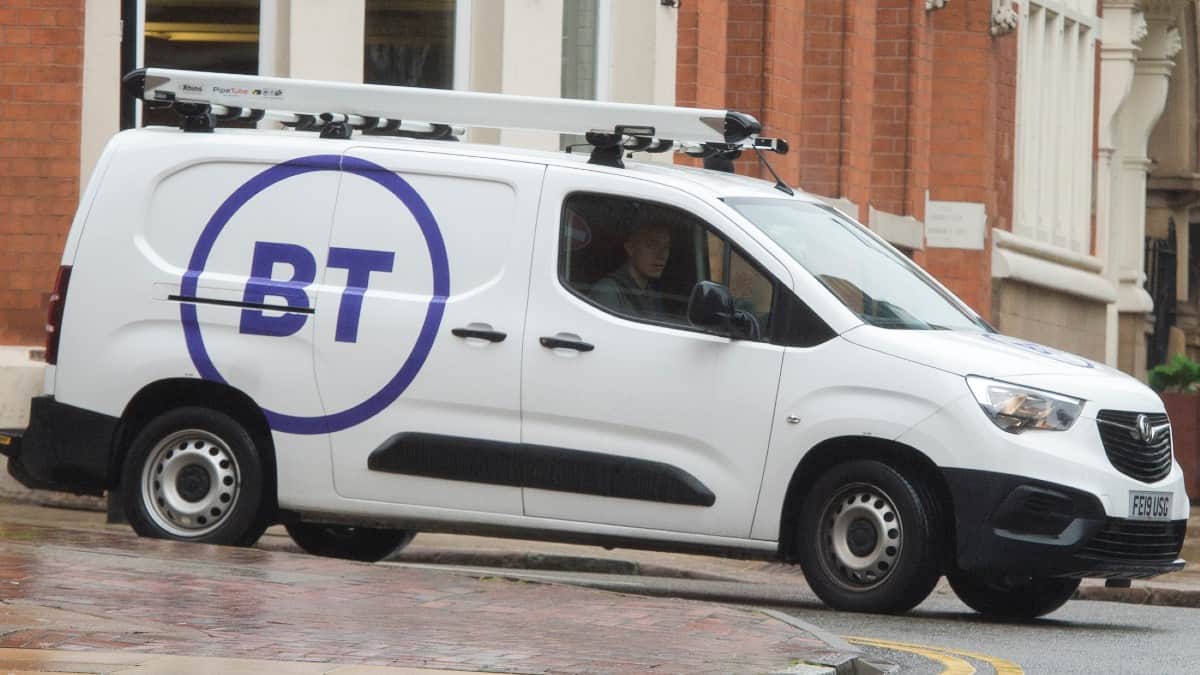
Is the rising BT share price still a bargain?

It has been a rewarding year for shareholders in telecoms giant BT (LSE: BT.A). Over the past 12 months, the BT share price has increased 52%.

But given the upwards movement, does it make sense for me to add the company to my portfolio today?

5 Stocks For Trying To Build Wealth After 50

Markets around the world are reeling from the coronavirus pandemic… and with so many great companies trading at what look to be ‘discount-bin’ prices, now could be the time for savvy investors to snap up some potential bargains.

But whether you’re a newbie investor or a seasoned pro, deciding which stocks to add to your shopping list can be a daunting prospect during such unprecedented times.

Fortunately, The Motley Fool UK analyst team have short-listed five companies that they believe STILL boast significant long-term growth prospects despite the global upheaval…

We’re sharing the names in a special FREE investing report that you can download today. And if you’re 50 or over, we believe these stocks could be a great fit for any well-diversified portfolio.

Click here to claim your free copy now!

BT share price drivers

One of the reason for the increase in the BT share price has been investor excitement over the 18% stake held by telecoms investor Patrick Drahi through his firm Altice. Although Drahi has said he does not plan to make a bid for BT at the moment, such a large stake being built by an industry insider is seen by many investors as a vote of confidence in the company.

I also think a lot of value hunters moved in on BT because its shares looked cheap at points last year. Even now, its price-to-earnings ratio is only 10, which is not high. Despite the challenges it faces ranging from high capital expenditure needs for spectrum investment to pricing competition, the business has been making progress. Indeed in its interim results in November, the company pleased shareholders by reinstating its dividend. Like the Altice stake, that was seen as a further reason for optimism in the group.

Mixed business performance

Although there are reasons to be positive about the company’s performance, I continue to see substantial reasons for concern too. At the interim stage, revenue fell 3% compared to the same period of the prior year. Profit after tax halved. So the current price-to-earnings ratio might not be as attractive as it seems, given that so far this year earnings are far below last year’s level.

That is not the direction of travel I expect to see in a healthy business. The only sizeable part of the company in which revenues grew was its Openreach broadband network business. BT’s consumer, enterprise and global divisions all saw revenues slide, albeit in the consumer business the decline was small.

In a mature business like telecoms, it is still possible to eke out substantial profits from declining revenues. But the company’s cost base concerns me. Capital expenditure of £2.6bn in the first half was up 30%. That reflects the costly nature of investment in spectrum the company needs to make to stay relevant in its marketplace. Such expenditure is a drag on profitability.

Are the shares a bargain?

All of that makes me think that, for now, the shares are not necessarily a bargain. Instead the price reflects the ongoing risks the business faces.

Looking ahead, profitability may improve markedly. By the end of the decade, the company expects to generate at least £1.5bn more free cash flow per year solely from lowering capital expenditure and operating costs. That could suggest the shares will increase in value in future. But the end of the decade is years away. Meanwhile, other capital expenditure requirements may crop up as technology evolves. There is also always the risk that weak stock markets mean the company needs to make additional payments into its pension fund, as has happened before.

With so many moving parts, I do not plan to add BT to my portfolio. Although there are some positive business trends I also see substantial areas of concern.

Should you invest £1,000 in BT right now?

Before you consider BT, you’ll want to hear this.

Motley Fool UK’s Director of Investing Mark Rogers has just revealed what he believes could be the 6 best shares for investors to buy right now… and BT wasn’t one of them.

The online investing service he’s run for nearly a decade, Motley Fool Share Advisor, has provided thousands of paying members with top stock recommendations from the UK and US markets. And right now, Mark thinks there are 6 shares that are currently better buys.

Click here for the full details


Christopher Ruane has no position in any of the shares mentioned. The Motley Fool UK has no position in any of the shares mentioned. Views expressed on the companies mentioned in this article are those of the writer and therefore may differ from the official recommendations we make in our subscription services such as Share Advisor, Hidden Winners and Pro. Here at The Motley Fool we believe that considering a diverse range of insights makes us better investors.

3 investing habits I’d use to retire early

I am planning to retire early, and I hope to do this by investing in the stock market. Indeed, I believe that investing is one of the best ways to build wealth in the long term. 

However, there is no guarantee I will be able to leave the workforce early just by acquiring investment assets. The world of investing can be challenging and unpredictable to navigate. Many investors have lost everything by making the wrong decisions. 

5 Stocks For Trying To Build Wealth After 50

Markets around the world are reeling from the coronavirus pandemic… and with so many great companies trading at what look to be ‘discount-bin’ prices, now could be the time for savvy investors to snap up some potential bargains.

But whether you’re a newbie investor or a seasoned pro, deciding which stocks to add to your shopping list can be a daunting prospect during such unprecedented times.

Fortunately, The Motley Fool UK analyst team have short-listed five companies that they believe STILL boast significant long-term growth prospects despite the global upheaval…

We’re sharing the names in a special FREE investing report that you can download today. And if you’re 50 or over, we believe these stocks could be a great fit for any well-diversified portfolio.

Click here to claim your free copy now!

That is why I am planning to stick to three investing habits to grow and develop my wealth. I believe that by sticking to these rules, I can increase my chances of being able to retire early with a large financial nest egg. 

Planning to retire early 

The first part of my plan is to map out how I am going to reach my target. According to my projections, I will need a figure of around £800,000 to be able to retire early. I estimate this sum will allow me to quit work and live on a small annual income, enough to cover food and housing costs. 

Unfortunately, this figure is not set in stone. It is impossible for me to estimate how much annual income I will require today when I do not plan to retire for a couple of decades. There is plenty that could change in the meantime. Life is unpredictable, and I may have to change my projections if the world throws me a curveball. 

Still, I think a figure of £800k is an excellent target to start with. I believe this is more than enough to provide a solid base for me to plan an early retirement. 

Investing habits

To hit this target, I am going to adhere to a set of strict investing habits, which should help me build wealth faster, and stick to my long term goals.

I think the most important investing habit is to set up a regular savings goal. I know I am targeting a lump sum  and off the back of this target, I can calculate how much I will need to save every week/every month in order to hit the goal.

According to my calculations, assuming my investments return around 10% per annum, I believe I will have to save £400 a month for 30 years to hit my £800k target. 

Of course, this is just a back-of-the-envelope-style calculation. There is no guarantee I will be able to earn 10% per annum over the next three decades from equities. The actual return could be a lot less… or a lot more. Nevertheless, this is not supposed to be an accurate figure. It is to provide a benchmark for me to aim for over the next few years.

Any number of factors could cause me to miss this target. If the market only returns 1% per annum for the next three decades, I will not be able to build a £800k portfolio unless I save a lot more. 

With this target in place, I know I will have to put away at least £400 a month, or roughly £93 a week, to hit my goal of being able to retire early. 

Investing for growth 

So the first inventing habit I will be sticking to over the next few decades is regularly saving and investing. The next habit is to stick to an investment strategy.

Research shows that one of the main reasons investors do not meet their goals is that they trade too much.  Jumping in and out of investments can incur costs, which add up over the long run. Not only do I have to consider investment costs, but I also need to consider taxes as well. All of these charges can nibble at my investment returns and delay my wealth building. 

As such, I am planning to choose a few investments and stick with them. The investments I am planning to buy are index funds and a selection of high-quality enterprises with substantial competitive advantages. Companies such as Diageo and Reckitt, which I already own in my portfolio. 

Despite using this approach, I am well aware that there is no guarantee I will be able to avoid trading. The market is unpredictable, as is life. If a company’s fortunes change, or if my fortunes change, I might have to sell investments. This is something I will have to live with. 

Saving and investing on a regular basis and sticking with investments are the first two habits I believe will help improve my chances of being able to retire early. 

Focus on the long term to retire early 

The next habit I plan to lean heavily on to build wealth is closely linked with the principle outlined above. As well as sticking with investments, I will also be viewing each holding through a long-term lens. 

Whenever I buy an investment, I want to make sure it is something I will be comfortable holding for five, 10, or even 20 years. The goal of this approach is twofold. I think it will help me focus on finding great companies and reduce trading. 

As noted above, overtrading can incur high costs. So this is something I want to avoid. I also want to avoid losing money, and the best way to do this is only to buy high-quality businesses that have a long runway for growth. 

I think if I approach each investment idea with the view that if I buy, I will need to hold for at least a decade, I will avoid any high-risk companies. This is not a guarantee. A corporation that looks to be a great business today could run into trouble at any point.

Still, I think this approach will help me think twice before investing and improve my odds of being able to retire early.

Overall, there is no guarantee that I will be able to retire early using the stock market. However, I believe that by incorporating the three investing habits outlined above, I can increase my chances of success.  

5 Stocks For Trying To Build Wealth After 50

Markets around the world are reeling from the coronavirus pandemic…

And with so many great companies still trading at what look to be ‘discount-bin’ prices, now could be the time for savvy investors to snap up some potential bargains.

But whether you’re a newbie investor or a seasoned pro, deciding which stocks to add to your shopping list can be a daunting prospect during such unprecedented times.

Fortunately, The Motley Fool is here to help: our UK Chief Investment Officer and his analyst team have short-listed five companies that they believe STILL boast significant long-term growth prospects despite the global lock-down…

You see, here at The Motley Fool we don’t believe “over-trading” is the right path to financial freedom in retirement; instead, we advocate buying and holding (for AT LEAST three to five years) 15 or more quality companies, with shareholder-focused management teams at the helm.

That’s why we’re sharing the names of all five of these companies in a special investing report that you can download today for FREE. If you’re 50 or over, we believe these stocks could be a great fit for any well-diversified portfolio, and that you can consider building a position in all five right away.

Click here to claim your free copy of this special investing report now!


Financial News

Daily News on Investing, Personal Finance, Markets, and more!

Financial News

Policy(Required)