Why the Lloyds share price rose 6.8% in January

As a Lloyds Banking Group (LSE: LLOY) shareholder, any month that brings gains makes me happy. And over January 2022, the Lloyds share price rose by 6.8%, to end the month at 51.05p.

I’d be delighted to see that gain every month. It would certainly get me back to break-even on the share price a lot sooner than I actually expect. But Lloyds shares have been showing continuing volatility, even as it looks like we’re heading towards the Covid-19 endgame.

5 Stocks For Trying To Build Wealth After 50

Markets around the world are reeling from the coronavirus pandemic… and with so many great companies trading at what look to be ‘discount-bin’ prices, now could be the time for savvy investors to snap up some potential bargains.

But whether you’re a newbie investor or a seasoned pro, deciding which stocks to add to your shopping list can be a daunting prospect during such unprecedented times.

Fortunately, The Motley Fool UK analyst team have short-listed five companies that they believe STILL boast significant long-term growth prospects despite the global upheaval…

We’re sharing the names in a special FREE investing report that you can download today. And if you’re 50 or over, we believe these stocks could be a great fit for any well-diversified portfolio.

Click here to claim your free copy now!

It’s making me wonder why the Lloyds share price had a good month. But I’m also looking at what factors lie behind the stock’s longer-term performance, and pondering how they might pan out. I think perhaps the most-watched banking indicator at the moment is the interest rate.

Will the Bank of England raise interest rates again, when it next decides later this week? Throughout January, hopes have been growing for another 0.25% hike. That would take the base rate to 0.5%. It’s not a lot, but I’d see any upwards move as an indication of the likely future. And even modest rises can help banks in their business of lending money. The higher the rate, the bigger the margin available for lending profits.

Soaring inflation

The march of inflation helps, as it lies behind interest rates. We’ve had years of low inflation, even before the pandemic arrived. And the BoE’s target of 2% per year has been met with a lengthy spell of low interest rates. But inflation reached 5.4% in December, and some are predicting 6% by the summer.

So why aren’t interest rates being raised higher and faster? Well, we’re coming out of the pandemic recession, and this year’s high inflation looks likely to be a one-off. The interest rate is a relatively crude tool anyway, and any over-reaction might dampen our economic recovery. So I think that’s why interest rate rises have had a relatively muted effect on the Lloyds share price.

I suspect there’s some optimism ahead of Lloyds’ full-year results, due on 24 February. In a Q3 update in October, the bank told us it had “recorded a profit before tax of £5,103m compared to £620m in the same period in 2020, representing an increase of £4,483m, largely reflecting the improved economic outlook for the UK in the first nine months of 2021 compared to the deterioration assumed in 2020.”

Lloyds share price optimism

There are a couple of things to unpack there. Firstly, I don’t get too excited by what looks like a big jump when it’s from a very low base. And the base of 2020 was very low indeed. But I do still see cause for optimism. That level of pre-tax profit is right back up with pre-pandemic levels. It’s actually higher than the 2019 full-year figure, though below 2018.

So does that good nine months boost shareholders’ optimism? I does leave me feeling more upbeat. But with the Lloyds share price still depressed, why hasn’t it risen further this year? I can’t help feeling reduced dividends are part of it. I’ll be looking for dividend news when I see the full-year figures.

Should you invest £1,000 in Lloyds right now?

Before you consider Lloyds, you’ll want to hear this.

Motley Fool UK’s Director of Investing Mark Rogers has just revealed what he believes could be the 6 best shares for investors to buy right now… and Lloyds wasn’t one of them.

The online investing service he’s run for nearly a decade, Motley Fool Share Advisor, has provided thousands of paying members with top stock recommendations from the UK and US markets. And right now, Mark thinks there are 6 shares that are currently better buys.

Click here for the full details


Alan Oscroft owns Lloyds Banking Group. The Motley Fool UK has recommended Lloyds Banking Group. Views expressed on the companies mentioned in this article are those of the writer and therefore may differ from the official recommendations we make in our subscription services such as Share Advisor, Hidden Winners and Pro. Here at The Motley Fool we believe that considering a diverse range of insights makes us better investors.


3 cheap FTSE 100 shares to buy in February!

The BAE Systems (LSE: BA) share price soared in January before solid profit taking trimmed monthly gains. I think the FTSE 100 defence giant could rebound strongly as speculation over Ukraine military action mounts.

The geopolitical landscape is becoming increasingly tetchy and in this sort of environment demand for weapons systems rises. Even if war in Eastern Europe is averted, BAE Systems’ hardware will remain in high demand following this latest spat with Russia. China’s support for Moscow’s “legitimate security concerns” in recent days has escalated concerns among Western powers even further.

5 Stocks For Trying To Build Wealth After 50

Markets around the world are reeling from the coronavirus pandemic… and with so many great companies trading at what look to be ‘discount-bin’ prices, now could be the time for savvy investors to snap up some potential bargains.

But whether you’re a newbie investor or a seasoned pro, deciding which stocks to add to your shopping list can be a daunting prospect during such unprecedented times.

Fortunately, The Motley Fool UK analyst team have short-listed five companies that they believe STILL boast significant long-term growth prospects despite the global upheaval…

We’re sharing the names in a special FREE investing report that you can download today. And if you’re 50 or over, we believe these stocks could be a great fit for any well-diversified portfolio.

Click here to claim your free copy now!

Problems with project delivery are an ever-present that could damage orders for BAE Systems’ technology. But the company’s strong record on this front provides me with peace of mind. Today, the company trades on a forward P/E ratio of 11 times while it boasts a chunky 4.4% dividend yield too. I think it could be a great addition to my investment portfolio today.

6.5% dividend yield!

I believe Barratt Developments (LSE: BDEV) is another excellent FTSE 100 stock to buy this month. The rising cost of living and the slowing UK economy are problems that could hit homes demand in 2021. But, as things stand, the domestic housing market looks rock solid

In fact, Nationwide says the housing market has made its strongest start to a year since 2005. The building society says average home prices soared 11.2% in January to £255,556. This provides me with confidence looking ahead.

I already own shares in Barratt and I’m thinking of buying more, given that it still looks dirt-cheap. The builder trades on a forward P/E ratio of just 8 times. It also boasts a monster 6.5% dividend yield.

I expect Barratt to prove a canny investment over the long haul. I think lower-than-usual interest rates will remain in place to support buyer affordability. I’m also confident that schemes such as Deposit Unlock and Shared Ownership will keep the market healthy, despite the withdrawal of Help to Buy next year, allowing first-time buyers to continue getting a foot on the property ladder.

A FTSE 100 retail winner

The rising strain on consumer wallets could also make B&M European Value Retail (LSE: BME) a great share to own right now. Inflation is crushing consumer spending power and the strain looks set to intensify in April as tax hikes come into being and energy costs rocket.

This is playing into the hands of value retailers. And B&M, with its 700-strong store network is well-placed to capitalise on this trend. Kantar Worldpanel says the average yearly food bill is set to rise by £180, illustrating that Britons face a stretch their shopping budgets.

Today, B&M trades on a prospective P/E ratio of just 13.8 times. I think this is good value, given the company’s enormous sales opportunity. I’d buy it despite the company’s lack of an e-commerce channel. This could see it lose out to retailers such as Tesco and Amazon with their digital strength, for example.


John Mackey, CEO of Whole Foods Market, an Amazon subsidiary, is a member of The Motley Fool’s board of directors. Royston Wild owns Barratt Developments. The Motley Fool UK has recommended Amazon, B&M European Value, and Tesco. Views expressed on the companies mentioned in this article are those of the writer and therefore may differ from the official recommendations we make in our subscription services such as Share Advisor, Hidden Winners and Pro. Here at The Motley Fool we believe that considering a diverse range of insights makes us better investors.

Should I buy Boohoo shares for 2022?

Key points

  • Boohoo shares are trading at five-year lows
  • The group’s UK business is growing strongly
  • US market provides opportunity for big growth

The Boohoo (LSE: BOO) share price has fallen by almost 70% over the last year. It’s not been a good time for loyal shareholders, but I’ve been wondering if the stock has now fallen too far.

After all, Boohoo has delivered average sales growth of 55% per year since 2016. With US expansion underway, the long-term growth potential could be huge. Should I add Boohoo stock to my portfolio in 2022?

5 Stocks For Trying To Build Wealth After 50

Markets around the world are reeling from the coronavirus pandemic… and with so many great companies trading at what look to be ‘discount-bin’ prices, now could be the time for savvy investors to snap up some potential bargains.

But whether you’re a newbie investor or a seasoned pro, deciding which stocks to add to your shopping list can be a daunting prospect during such unprecedented times.

Fortunately, The Motley Fool UK analyst team have short-listed five companies that they believe STILL boast significant long-term growth prospects despite the global upheaval…

We’re sharing the names in a special FREE investing report that you can download today. And if you’re 50 or over, we believe these stocks could be a great fit for any well-diversified portfolio.

Click here to claim your free copy now!

Why I might buy

One attraction for me is that Boohoo has a strong record of growth and very experienced management. Sales have risen from £295m in 2017, to £1,905m for the 12 months to 31 August. Boohoo has consistently been more profitable than rival ASOS too.

Co-founder and chairman Mahmud Kamani has worked in the clothing industry for decades, while chief executive John Lyttle was previously in charge at budget fashion retailer Primark.

Kamani also remains Boohoo’s largest shareholder, with a 12% holding. I estimate this stock would have been worth more than £500m 12 months ago. Today it’s worth around £160m. I’d imagine that Kamani will be keen to rebuild the value of his shareholding, so his interests should be aligned with smaller investors.

Growth in the core UK business has also remained strong. Sales rose by 32% to nearly £900m during the nine months to 30 November. Acquired brands, such as Karen Millen, Debenhams, Warehouse and Dorothy Perkins, are helping to expand the company’s appeal beyond its core youth market.

Two problems that worry me

Unfortunately, this strong UK growth is not being echoed abroad. Sales in the rest of Europe fell 14% to £159m during the first nine months of Boohoo’s current financial year. US growth slowed to 10%.

One problem is that Boohoo still fulfils all of its international orders from its UK warehouses. This means that company has been hit hard by higher air freight costs and extended delivery times for overseas customers. In total, management expect to report £65m of extra freight costs for the 2021/22 financial year. That’s equivalent to around half Boohoo’s operating profit in 2020/21.

I expect these costs to ease over time as supply chain backlogs gradually clear. Meanwhile, US growth could pick up again when Boohoo opens its first warehouse on the continent — although that isn’t expected to be ready until 2023.

Boohoo share price: my decision

I think Boohoo still has big growth potential. However, I think it could cost more than expected to deliver on this promise. I’m not sure we’ll see Boohoo’s growth return to past levels, at least not consistently.

Overall, my feeling is that the Boohoo share price is about right at the moment, reflecting the risks and opportunities the business offer for potential investors. For me, the stock would be a speculative buy — I’d only want to take a small position.

On balance, I’m not excited enough to buy Boohoo shares right now. But I’ll continue to watch the company’s progress with interest and may revisit the stock in the future.

FREE REPORT: Why this £5 stock could be set to surge

Are you on the lookout for UK growth stocks?

If so, get this FREE no-strings report now.

While it’s available: you’ll discover what we think is a top growth stock for the decade ahead.

And the performance of this company really is stunning.

In 2019, it returned £150million to shareholders through buybacks and dividends.

We believe its financial position is about as solid as anything we’ve seen.

  • Since 2016, annual revenues increased 31%
  • In March 2020, one of its senior directors LOADED UP on 25,000 shares – a position worth £90,259
  • Operating cash flow is up 47%. (Even its operating margins are rising every year!)

Quite simply, we believe it’s a fantastic Foolish growth pick.

What’s more, it deserves your attention today.

So please don’t wait another moment.

Get the full details on this £5 stock now – while your report is free.


Roland Head has no position in any of the shares mentioned. The Motley Fool UK has recommended ASOS, Associated British Foods, and boohoo group. Views expressed on the companies mentioned in this article are those of the writer and therefore may differ from the official recommendations we make in our subscription services such as Share Advisor, Hidden Winners and Pro. Here at The Motley Fool we believe that considering a diverse range of insights makes us better investors.

Why I just bought Unilever shares

I bought shares in Unilever (LSE: ULVR) a week ago, on the back of recent developments. On 17 January, the company confirmed it had made an offer for GlaxoSmithKline‘s consumer healthcare business. Surely a raft of new brands could only help Unilever in the health, beauty, and hygiene business? But while the GSK share price rose on the news, Unilever shares dipped.

Unilever shareholders were not enthusiastic. It seems they saw the acquisition bid, worth £50bn, as missing the real issues. There were deeper problems at Unilever, ones that acquisitions would not fix.

5 Stocks For Trying To Build Wealth After 50

Markets around the world are reeling from the coronavirus pandemic… and with so many great companies trading at what look to be ‘discount-bin’ prices, now could be the time for savvy investors to snap up some potential bargains.

But whether you’re a newbie investor or a seasoned pro, deciding which stocks to add to your shopping list can be a daunting prospect during such unprecedented times.

Fortunately, The Motley Fool UK analyst team have short-listed five companies that they believe STILL boast significant long-term growth prospects despite the global upheaval…

We’re sharing the names in a special FREE investing report that you can download today. And if you’re 50 or over, we believe these stocks could be a great fit for any well-diversified portfolio.

Click here to claim your free copy now!

Recent Unilever share price movements have illustrated investors’ dissatisfaction. The shares are down 16% over the past two years, taking in the pandemic effect. And that’s a company selling mostly essential consumer goods that we might see as largely crash-proof. Even over the past 12 months, when the FTSE 100 has gained 16%, Unilever shares have lost 11%.

Over five years, we’re looking at only a 15% gain. Shareholders, though, have at least been pocketing dividend yields of around 3.5%. The weak share price performance led me to see a buying opportunity. Might Unilever even be the best buy in the FTSE 100?

High level critics

Maybe. But it has attracted plenty of high-level negativity. Terry Smith, manager of Fundsmith and a big Unilever shareholder, has been vocal in his criticism of the company’s mediocre returns and unimpressive growth. Unilever recorded an EPS fall in 2020, and analysts are expecting a further dip for 2021.

What’s going to happen now? Unilever appears to have reacted to the negative market response to its GSK bid. The bid was rejected by the pharmaceuticals giant, and the Unilever board has assured us it will not raise its offer. So it has already faded into being merely a distraction.

A start, but is it enough?

Then on 25 January, Unilever announced a simplification of its organisation. Around 1,500 senior management roles will go, with the company reshaped into five core business groups. That’s something, but is it enough? There’s been another development that suggests maybe it isn’t.

Meet Nelson Peltz. He’s an activist investor, with a track record of shaking up companies and improving their efficiency. It turns out that, through the Trian Partners fund of which he is a co-founder, he’s been building up a stake. That news gave Unilever shares a bit of a boost, helping reverse the previous week’s dip. And it seems it gave the board a nudge to release the reorganisation plans.

Unilever shares shake-up?

Will the arrival of Nelson Peltz mark a turning point for Unilever? Can he repeat what he previously did for Procter & Gamble? Well, his activism hasn’t always been successful, with a failed attempt to shake up General Electric on his record. I suspect he will face significant resistance from the Unilever old guard too. Activist investors usually do.

Unilever shareholders might well face further pain before things get better, if they even get better. And it seems strange to be buying Unilever shares at a risky time, when I’ve traditionally seen the company as super safe. But I still see enough safety at today’s valuation, and I’m happy with the risk.

5 Stocks For Trying To Build Wealth After 50

Markets around the world are reeling from the coronavirus pandemic…

And with so many great companies still trading at what look to be ‘discount-bin’ prices, now could be the time for savvy investors to snap up some potential bargains.

But whether you’re a newbie investor or a seasoned pro, deciding which stocks to add to your shopping list can be a daunting prospect during such unprecedented times.

Fortunately, The Motley Fool is here to help: our UK Chief Investment Officer and his analyst team have short-listed five companies that they believe STILL boast significant long-term growth prospects despite the global lock-down…

You see, here at The Motley Fool we don’t believe “over-trading” is the right path to financial freedom in retirement; instead, we advocate buying and holding (for AT LEAST three to five years) 15 or more quality companies, with shareholder-focused management teams at the helm.

That’s why we’re sharing the names of all five of these companies in a special investing report that you can download today for FREE. If you’re 50 or over, we believe these stocks could be a great fit for any well-diversified portfolio, and that you can consider building a position in all five right away.

Click here to claim your free copy of this special investing report now!


Alan Oscroft owns Unilever. The Motley Fool UK has recommended Unilever. Views expressed on the companies mentioned in this article are those of the writer and therefore may differ from the official recommendations we make in our subscription services such as Share Advisor, Hidden Winners and Pro. Here at The Motley Fool we believe that considering a diverse range of insights makes us better investors.

The Joules share price just crashed! Here’s why

The Joules (LSE:JOUL) share price collapsed over 40% today following the latest earnings report published by management. Due to the pandemic, the fashion retailer has had a rough couple of months. And following today’s decline, its 12-month performance is currently at a dreadful 56% loss. What was in this report that caused investors to freak out? And is this actually a buying opportunity for my portfolio? Let’s investigate.

Investor fears become reality

Since the last trading update, there has been growing concerns about the group’s profitability. Today, the veil of uncertainty was lifted to reveal investors’ worst fears. With the pandemic disrupting supply chains, and problems emerging in the group’s logistics operations, profits for the first six months of the 2022 fiscal year that spans May to May have dropped by 30%.

5 Stocks For Trying To Build Wealth After 50

Markets around the world are reeling from the coronavirus pandemic… and with so many great companies trading at what look to be ‘discount-bin’ prices, now could be the time for savvy investors to snap up some potential bargains.

But whether you’re a newbie investor or a seasoned pro, deciding which stocks to add to your shopping list can be a daunting prospect during such unprecedented times.

Fortunately, The Motley Fool UK analyst team have short-listed five companies that they believe STILL boast significant long-term growth prospects despite the global upheaval…

We’re sharing the names in a special FREE investing report that you can download today. And if you’re 50 or over, we believe these stocks could be a great fit for any well-diversified portfolio.

Click here to claim your free copy now!

On the plus side, revenue over the nine weeks ending in January 2022 did climb by 31% compared to a year ago. And it’s actually ahead of pre-pandemic levels by around 19%. Yet this performance still remains below management’s expectations. To make matters worse, costs in its distribution centres doubled compared to a year ago due to UK labour shortages and were around £1.2m higher than anticipated.

Overall, I think it’s fair to say things aren’t going so great for Joules, and seeing its share price plummet as a consequence is hardly surprising. But is there a chance for a comeback?

Can the Joules share price recover?

In light of these problems, management has outlined its plan to tackle the situation. First off, the company is restructuring its wholesaling process. Minimum order value requirements are being introduced in the US, while any outstanding orders that are no longer profitable in the new environment are being cancelled.

Meanwhile, old inventory that’s moving too slowly is being liquidated. The marketing budget is being pulled back, and at the same time, the firm plans to increase the prices of its upcoming Spring/Summer range later this year.

The goal is to simplify operations and cut costs to improve profit margins. Whether this strategy will work, only time will tell. However, as of January, the company does have £11.5m of liquidity headroom at its disposal. And management believes this will be sufficient for the foreseeable future.

Assuming Joules is accurate in its assessment, I think it’s likely that the share price will be able to recover over the long term.

Time to buy?

While the sudden drop in Joules’ share price might be an overreaction by investors, it’s not unreasonable. Clearly, there are problems with operations. Whether this is only a short-term hiccup or a fundamental flaw in the company has yet to be revealed. Personally, I’m going to wait and see how management’s solution pans out before considering adding any shares to my portfolio.

Instead, I’m far more interested in another British stock that looks far more promising…

FREE REPORT: Why this £5 stock could be set to surge

Are you on the lookout for UK growth stocks?

If so, get this FREE no-strings report now.

While it’s available: you’ll discover what we think is a top growth stock for the decade ahead.

And the performance of this company really is stunning.

In 2019, it returned £150million to shareholders through buybacks and dividends.

We believe its financial position is about as solid as anything we’ve seen.

  • Since 2016, annual revenues increased 31%
  • In March 2020, one of its senior directors LOADED UP on 25,000 shares – a position worth £90,259
  • Operating cash flow is up 47%. (Even its operating margins are rising every year!)

Quite simply, we believe it’s a fantastic Foolish growth pick.

What’s more, it deserves your attention today.

So please don’t wait another moment.

Get the full details on this £5 stock now – while your report is free.


Zaven Boyrazian has no position in any of the shares mentioned. The Motley Fool UK has recommended Joules Group. Views expressed on the companies mentioned in this article are those of the writer and therefore may differ from the official recommendations we make in our subscription services such as Share Advisor, Hidden Winners and Pro. Here at The Motley Fool we believe that considering a diverse range of insights makes us better investors.

FTSE 250: 2 growth stocks I’d buy and hold for years

The FTSE 250 is in fine form this morning, rising over 1% in early trading. Is this a sign that February might be a little kinder to investors?

Well, no one knows for sure where share prices will go in the near term. As such, I prefer to stick to my strategy of owning great stocks for years rather than weeks. With this in mind, here are two members of the index I’d be happy to buy, whatever happens next. 

5 Stocks For Trying To Build Wealth After 50

Markets around the world are reeling from the coronavirus pandemic… and with so many great companies trading at what look to be ‘discount-bin’ prices, now could be the time for savvy investors to snap up some potential bargains.

But whether you’re a newbie investor or a seasoned pro, deciding which stocks to add to your shopping list can be a daunting prospect during such unprecedented times.

Fortunately, The Motley Fool UK analyst team have short-listed five companies that they believe STILL boast significant long-term growth prospects despite the global upheaval…

We’re sharing the names in a special FREE investing report that you can download today. And if you’re 50 or over, we believe these stocks could be a great fit for any well-diversified portfolio.

Click here to claim your free copy now!

Long term theme

Petcare retailer Pets At Home (LSE: PETS) is an example of a great FTSE 250 business that I could see myself holding for the long term. That’s despite its share price falling around 7% in 2022 so far.

A beneficiary of multiple UK lockdowns and the pet boom that accompanied them, the mid-cap continues to release encouraging updates. Group like-for-like revenue increased 8.7% in the 12 weeks to 30 December compared to the same period in 2020. Perhaps more significantly, it was also 28.1% higher than two years ago.  

This isn’t all that surprising. Pets At Home now seems to have every corner covered. In addition to its 455-store retail estate, the company is rapidly growing its online presence (evidenced by the 99% jump in omnichannel revenue on a two-year basis). It also has a burgeoning veterinary services arm, gaining 9,200 new registrations per week on average.

At 20 times forecast earnings, the shares aren’t exactly cheap. However, I can’t see the themes of long-term pet ownership, humanisation and premiumisation” highlighted by the company disappearing any time soon. Moreover, the company is “firmly on track to report a record year of sales and profit growth”, according to soon-to-depart CEO Peter Pritchard. It also has net cash of £77m on its balance sheet. 

My only slight concern right now, aside from the need to replace its leader, is the extent to which inflationary pressures might impact the company going forward. They certainly won’t go away overnight. Then again, that’s true for all sorts of businesses. 

I’d be comfortable buying Pets At Home today but I’d back up the truck if the share price continues to fall over 2022.

Another solid FTSE 250 stock

Kitchen supplier Howden Joinery (LSE: HWDN) is another FTSE 250 stock that benefited from the three UK lockdowns. A hot housing market may have also contributed to what has been something of a purple patch for the near-£5bn-cap business. Like Pets at Home, however, the shares have lost a bit of momentum in 2022 so far. As I type, they’re down 12%.

Howdens is down to report its latest set of full-year numbers (covering the vast majority of 2021) later this month. Given that the company only recently stated that pre-tax profit should be “at the top end of analyst forecasts“, I can’t see its value tumbling from here.

Of course, I may be completely wrong. Now that we look to be coming to the end of the pandemic, there’s a possibility that more existing holders may look to bank some profit. After all, kitchens aren’t something that people replace every year.

Still, a P/E of 17 doesn’t exactly scream ‘overvalued’ when I consider Howden’s solid margins, strong brand, consistently high returns on capital and sizeable market share. So, even if the company does struggle to repeat 2021’s performance, I’m confident that this would still be a worthy addition to my quality-focused portfolio.

FREE REPORT: Why this £5 stock could be set to surge

Are you on the lookout for UK growth stocks?

If so, get this FREE no-strings report now.

While it’s available: you’ll discover what we think is a top growth stock for the decade ahead.

And the performance of this company really is stunning.

In 2019, it returned £150million to shareholders through buybacks and dividends.

We believe its financial position is about as solid as anything we’ve seen.

  • Since 2016, annual revenues increased 31%
  • In March 2020, one of its senior directors LOADED UP on 25,000 shares – a position worth £90,259
  • Operating cash flow is up 47%. (Even its operating margins are rising every year!)

Quite simply, we believe it’s a fantastic Foolish growth pick.

What’s more, it deserves your attention today.

So please don’t wait another moment.

Get the full details on this £5 stock now – while your report is free.


Paul Summers has no position in any of the shares mentioned. The Motley Fool UK has recommended Howden Joinery Group. Views expressed on the companies mentioned in this article are those of the writer and therefore may differ from the official recommendations we make in our subscription services such as Share Advisor, Hidden Winners and Pro. Here at The Motley Fool we believe that considering a diverse range of insights makes us better investors.
At 115p, are Rolls-Royce shares too cheap?

It’s been a rocky two years for Rolls-Royce (LSE:RR) shares. After the pandemic decimated the engineering firm’s revenue stream, the stock plummeted and has limped on since. But with the pandemic slowly becoming a thing of the past, is the share price now too cheap? Let’s explore the potential of this business. And whether now is an incredible buying opportunity for my portfolio.

Hope for Rolls-Royce shares

As the pandemic struck, many companies found themselves struggling to stay afloat. Rolls-Royce was no exception. And with its aerospace division generating the bulk of its revenue at the time, the situation quickly became dire.

5 Stocks For Trying To Build Wealth After 50

Markets around the world are reeling from the coronavirus pandemic… and with so many great companies trading at what look to be ‘discount-bin’ prices, now could be the time for savvy investors to snap up some potential bargains.

But whether you’re a newbie investor or a seasoned pro, deciding which stocks to add to your shopping list can be a daunting prospect during such unprecedented times.

Fortunately, The Motley Fool UK analyst team have short-listed five companies that they believe STILL boast significant long-term growth prospects despite the global upheaval…

We’re sharing the names in a special FREE investing report that you can download today. And if you’re 50 or over, we believe these stocks could be a great fit for any well-diversified portfolio.

Click here to claim your free copy now!

With few options available, management was forced to take on new loans in 2020. This further increased the company’s leverage, but it provided precious breathing room to come up with a plan. Since then, the company has undergone a drastic structural overhaul.

It has disposed of approximately £2bn worth of non-core assets and sadly, 9,000 workers found themselves without a job. As unpleasant as the restructuring process can be, it may have saved the company from the brink of bankruptcy.

The proceeds of the disposals are going to be used to pay down debt and strengthen the group’s fundamentals. Meanwhile, approximately £1bn worth of annual savings is expected to have been achieved at the end of 2021.

Combining this with the ongoing recovery of the travel sector, the business may be primed for a rapid recovery in 2022. So, why aren’t Rolls-Royce shares climbing yet?

Investor anticipation is building up

It seems investors are holding their breath until the release of the full-year results next month. But the trading updates published throughout last year all pointed towards an accelerated recovery. So, is this a buying opportunity for my portfolio?

Perhaps. It all depends on what the results end up looking like. Suppose management achieves its targets, and demand for the group’s services continues to recover? In that case, I think Rolls-Royce shares could be on the verge of surging as the veil of uncertainty is lifted.

Of course, the opposite is also true. However, the pandemic’s grip on the world is slowly weakening as everyone adapts. That’s why I’m cautiously optimistic about the near-term outlook for Rolls-Royce shares. And at a price-to-earnings ratio of only 2.9, the stock looks incredibly cheap to me!

Having said that, I’m not tempted to add these shares to my portfolio yet. Why? Because even with the capital injection from disposals, the company needs a lot more money to clear its liabilities. In the meantime, all it takes is another round of travel restrictions to land the company close to where it was in early 2020.

For now, I’m going to keep watching from the sidelines. Once the full-year results are out and a clearer picture is formed, I may reconsider my position.

For now, I’m far more interested in another UK stock that looks far healthier that could explode by triple-digits over the long term…

FREE REPORT: Why this £5 stock could be set to surge

Are you on the lookout for UK growth stocks?

If so, get this FREE no-strings report now.

While it’s available: you’ll discover what we think is a top growth stock for the decade ahead.

And the performance of this company really is stunning.

In 2019, it returned £150million to shareholders through buybacks and dividends.

We believe its financial position is about as solid as anything we’ve seen.

  • Since 2016, annual revenues increased 31%
  • In March 2020, one of its senior directors LOADED UP on 25,000 shares – a position worth £90,259
  • Operating cash flow is up 47%. (Even its operating margins are rising every year!)

Quite simply, we believe it’s a fantastic Foolish growth pick.

What’s more, it deserves your attention today.

So please don’t wait another moment.

Get the full details on this £5 stock now – while your report is free.


Zaven Boyrazian has no position in any of the shares mentioned. The Motley Fool UK has no position in any of the shares mentioned. Views expressed on the companies mentioned in this article are those of the writer and therefore may differ from the official recommendations we make in our subscription services such as Share Advisor, Hidden Winners and Pro. Here at The Motley Fool we believe that considering a diverse range of insights makes us better investors.

How I earn free money from passive income — with a bonus kicker!

My investment hero is American billionaire Warren Buffett. Over 35 years, I have increasingly relied on the Oracle of Omaha‘s advice to build wealth. In particular, I’ve become a passionate fan of passive income. This is money made without effort, without working, and while I sleep. As one investor remarked: “The greater the passive income you can build, the freer you will become.”

I buy assets for passive income

One way to generate passive income is by owning assets. For example, landlords earn rental income from property. Likewise, savers earn interest from cash deposits. And buying bonds (government and corporate fixed-income IOUs) delivers regular interest in ‘coupons’. But with near-zero UK and US interest rates, generating extra income is tough. For example, depositing cash in a top easy-access UK savings account would earn just 0.7% a year (before tax). Similarly, low-risk 10-year Gilts (UK government bonds) currently yield just 1.29% a year. I don’t expect to get rich on such returns.

5 Stocks For Trying To Build Wealth After 50

Markets around the world are reeling from the coronavirus pandemic… and with so many great companies trading at what look to be ‘discount-bin’ prices, now could be the time for savvy investors to snap up some potential bargains.

But whether you’re a newbie investor or a seasoned pro, deciding which stocks to add to your shopping list can be a daunting prospect during such unprecedented times.

Fortunately, The Motley Fool UK analyst team have short-listed five companies that they believe STILL boast significant long-term growth prospects despite the global upheaval…

We’re sharing the names in a special FREE investing report that you can download today. And if you’re 50 or over, we believe these stocks could be a great fit for any well-diversified portfolio.

Click here to claim your free copy now!

I collect dividend income from UK shares

With interest rates so low, I risk my money in the hope of higher returns. That’s why my top asset for generating passive income each year is UK shares. Cheap shares from well-known UK companies can produce high income yields. This income comes in the form of dividends paid by companies to shareholders. Usually, these cash payments are made half-yearly or quarterly. However, I know from experience that company dividends are not guaranteed and can be cut or cancelled without notice. During the height of 2020’s coronavirus crisis, scores of UK-listed firms slashed or suspended their dividends. But most then resumed these (sometimes lower) payouts in 2021-22.

Admittedly, most UK-listed companies don’t pay dividends to their shareholders. These firms may be loss-making, or choose to reinvest profits to boost future growth. However, all but a handful of companies in the UK’s blue-chip FTSE 100 index do pay dividends. This index — which tracks the value of 100 of the UK’s biggest listed companies — currently offers a dividend yield of around 4% a year. That’s why the FTSE 100 is my happy hunting ground for passive income with scope to grow over time. Sure, this means taking a risk, but I’m comfortable with that.

Dividend investing comes with a bonus kicker

In order to maximise my family’s passive income, we own no bonds and keep only a modest cash reserve. Our portfolio is built on solid businesses that pay attractive dividends with the potential to rise over time. Furthermore, when dividends do go up over the years, share prices often follow suit. This means that, as well as generating passive income, dividend investing comes with a kicker (a free bonus). Here’s one simple example of how this works.

Let’s say I buy a share for £1 that pays 5p a year in dividends, producing a yearly dividend yield of 5%. Now let’s say that this company triples its yearly dividend pay-out to 15p over several years.  That’s a 15% dividend yield on my original £1 purchase price. But maybe the share price has also tripled, rising to £3. Now I’m still earning 5% a year, but my investment’s value has tripled. Over decades, this combination of passive income, rising dividends and capital gains has generated outstanding returns for us. That’s why we keep buying UK shares we think are good value for their dividends!

Inflation Is Coming: 3 Shares To Try And Hedge Against Rising Prices

Make no mistake… inflation is coming.

Some people are running scared, but there’s one thing we believe we should avoid doing at all costs when inflation hits… and that’s doing nothing.

Money that just sits in the bank can often lose value each and every year. But to savvy savers and investors, where to consider putting their money is the million-dollar question.

That’s why we’ve put together a brand-new special report that uncovers 3 of our top UK and US share ideas to try and best hedge against inflation…

…because no matter what the economy is doing, a savvy investor will want their money working for them, inflation or not!

Best of all, we’re giving this report away completely FREE today!

Simply click here, enter your email address, and we’ll send it to you right away.


Views expressed on the companies mentioned in this article are those of the writer and therefore may differ from the official recommendations we make in our subscription services, such as Share Advisor, Hidden Winners and Pro. Here at The Motley Fool, we believe that considering a diverse range of insights makes us better investors.

Is the BT share price about to take off?

Key points

  • The sale of the BT Sport brand and a possible takeover could be positive for the BT share price
  • Competition in the telecommunications sector is fierce
  • I think now could be a smart time to buy shares

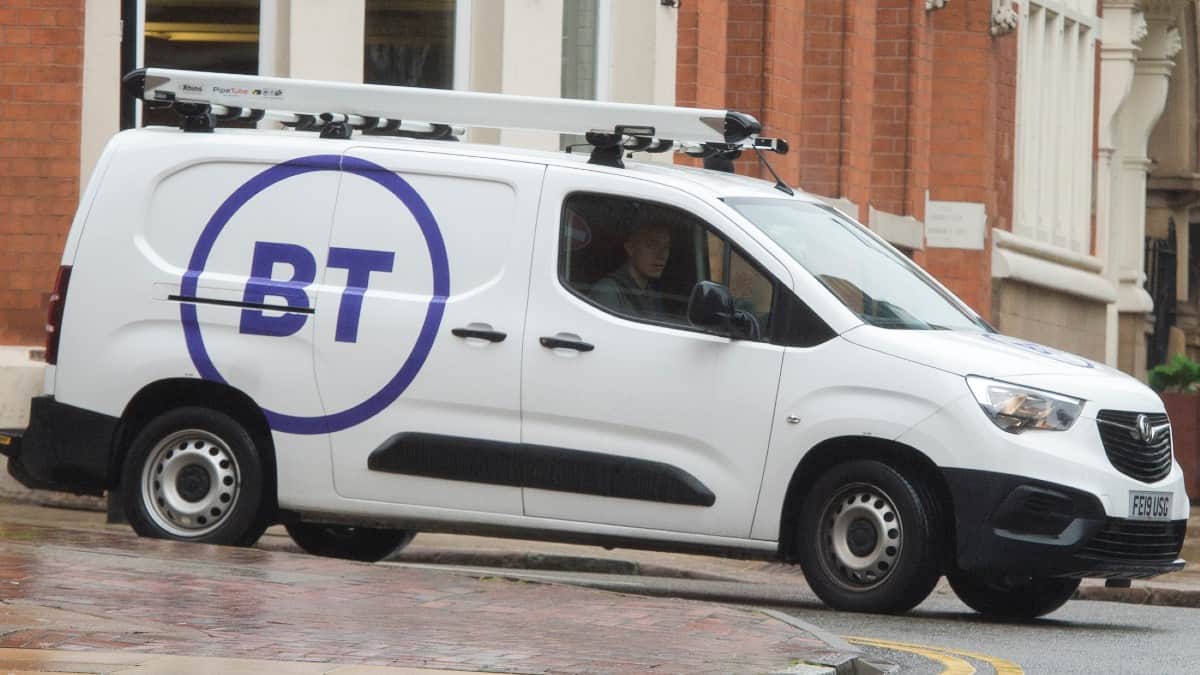
FTSE 100 telecommunications stock, BT (LSE: BT.A) is a big UK player. It operates broadband, mobile and landline networks throughout the country and has a number of recognisable brands, including EE, Plusnet and BT Sport. Recently, takeover rumours have excited investors and the imminent sale of the BT Sport brand has made the BT share price volatile. Let’s unpack these stories and assess the impact these factors might have.

A potential takeover – will the BT share price rocket?

Rumours of a takeover began in mid-December 2021, when French telecommunications billionaire Patrick Drahi increased his stake in BT from 12.1% to 18%. Before long, the market began wondering if Drahi was preparing himself for a takeover. Indeed, takeovers generally lead to a rise in this share price.

5 Stocks For Trying To Build Wealth After 50

Markets around the world are reeling from the coronavirus pandemic… and with so many great companies trading at what look to be ‘discount-bin’ prices, now could be the time for savvy investors to snap up some potential bargains.

But whether you’re a newbie investor or a seasoned pro, deciding which stocks to add to your shopping list can be a daunting prospect during such unprecedented times.

Fortunately, The Motley Fool UK analyst team have short-listed five companies that they believe STILL boast significant long-term growth prospects despite the global upheaval…

We’re sharing the names in a special FREE investing report that you can download today. And if you’re 50 or over, we believe these stocks could be a great fit for any well-diversified portfolio.

Click here to claim your free copy now!

While this is a significant stake increase, UK rules prohibit a takeover from occurring until at least June 2022. Some have speculated that Drahi is using a ‘creeping control’ strategy, by slowly buying up more shares. This would ultimately give him control without the costs associated with a bid offer. Whatever the outcome, I will be keeping a close eye on the BT share price between now and June.

One much more imminent move is the sale of the BT Sport brand to US streaming company Dazn. With talks at an advanced stage, it is possible that the deal could be completed as soon as this month.

What’s more, Dazn is apparently willing to pay $800m for the brand. Some of the proceeds may be directed towards lowering BT’s not insignificant debt pile of £18.2bn. It could also improve the company’s free cash flow (FCF). For me, rather than might-not-happen takeover speculation, this sale should positively impact the BT share price. It’s a strong reason why I’ll be buying some shares at the moment.

Competition and inflation

Within the telecommunications sector, BT faces constant competition. In recent months, this has come from Virgin Media O2. While BT plans to install fibre cables to supply 25 million homes by 2025, Virgin Media O2 is already seeking investment to expand and accelerate its own fibre network. Indeed, this could mean that BT might lose the potential custom of 7 million homes where copper lines are due for upgrade.

Elsewhere, the rise in inflation has motivated BT to increase the cost of its phone and broadband services by 9.3%. This strikes me as opportunistic, given inflation will reach about 6% in the spring. Nonetheless, JP Morgan remained “optimistic” in spite of this decision, because other companies in the sector would likely soon follow BT’s price hike.

The sale of the BT Sport brand and the takeover rumours make it an exciting time to be watching the BT share price. This is a competitive sector and the company has had to work hard to stay on track. Nonetheless, I’ll be buying shares now in anticipation of higher free cash flow that could send the stock’s price upwards.

Should you invest £1,000 in BT right now?

Before you consider BT, you’ll want to hear this.

Motley Fool UK’s Director of Investing Mark Rogers has just revealed what he believes could be the 6 best shares for investors to buy right now… and BT wasn’t one of them.

The online investing service he’s run for nearly a decade, Motley Fool Share Advisor, has provided thousands of paying members with top stock recommendations from the UK and US markets. And right now, Mark thinks there are 6 shares that are currently better buys.

Click here for the full details


Andrew Woods has no position in any of the shares mentioned. JPMorgan Chase is an advertising partner of The Ascent, a Motley Fool company. The Motley Fool UK has no position in any of the shares mentioned. Views expressed on the companies mentioned in this article are those of the writer and therefore may differ from the official recommendations we make in our subscription services such as Share Advisor, Hidden Winners and Pro. Here at The Motley Fool we believe that considering a diverse range of insights makes us better investors.

At 52p, are Lloyds shares too cheap to miss?

2020 was a tough year for many shares, including Britain’s largest bank Lloyds (LSE:LLOY). With many businesses seeing their revenue streams evaporating, the lending firm incurred considerable costs as loan default rates went through the roof.

Today the economic environment has drastically improved. Lockdown restrictions are now over, and companies across the country are slowly getting back on their feet. With debt repayments making their way back to Lloyds’ books, is the group on the verge of experiencing an explosive 2022? Let’s explore.

5 Stocks For Trying To Build Wealth After 50

Markets around the world are reeling from the coronavirus pandemic… and with so many great companies trading at what look to be ‘discount-bin’ prices, now could be the time for savvy investors to snap up some potential bargains.

But whether you’re a newbie investor or a seasoned pro, deciding which stocks to add to your shopping list can be a daunting prospect during such unprecedented times.

Fortunately, The Motley Fool UK analyst team have short-listed five companies that they believe STILL boast significant long-term growth prospects despite the global upheaval…

We’re sharing the names in a special FREE investing report that you can download today. And if you’re 50 or over, we believe these stocks could be a great fit for any well-diversified portfolio.

Click here to claim your free copy now!

Are Lloyds shares undervalued?

Looking at the latest third-quarter results for this bank, net interest income came in basically flat, falling by around 1%. However, thanks to the rapid recovery of the economy, the surge in loan impairments experienced in 2020 appear to no longer be a problem.

As a result, profits for the first nine months of 2021 came in at £4.96bn versus £927m a year before. That’s obviously a drastic improvement. But there’s something even more impressive.

In 2020, the last of the regulatory provisions concerning payment protection insurance (PPI) ended. This enabled operating expenses to drop by nearly 30% — a saving that was carried over into 2021. These wider margins are a primary contributing factor to the group’s surge in profits in addition to the eliminated impairment charges.

Consequently, the £4.96bn of profits is actually 219% higher than pre-pandemic levels. And with inflation causing interest rates to climb, Lloyds’ shares look cheap versus its financial performance, in my opinion. It is only trading at a price-to-earnings ratio of 7.8, after all.

Nothing is risk-free

As impressive as the recent financial performance is, there remain some considerable risks. In the near term, a resurgence of the pandemic could once again decimate UK businesses, resulting in further loan impairments.

In the long term, management’s new focus on becoming the country’s largest private landlord opens up a whole suite of new threats. Britain’s housing market has been flourishing in recent years. And with inflation pushing up property values even further, the sector looks like a prudent place to invest.

Yet, I have some reservations. While house prices might be rising at the moment, affordability is going in the opposite direction. Higher interest rates already make mortgages more expensive. But combining this with the end of government support schemes in March 2023, and home sales could experience a significant slowdown.

This, in turn, could send property prices plummeting, along with Lloyds’ future rental revenue. Needless to say, if this were to happen, the Lloyds share price could end up right where it was at the start of the pandemic.

The bottom line

The full-year results for 2021 come out next month. But given the strong performance seen throughout the year in a pre-inflationary environment, I believe this is a stock worth owning, even with the risks. Therefore, I’m tempted to add Lloyds shares to my portfolio while they still look cheap.

But these are not the only cheap UK shares to have caught my attention. Here is another that looks even cheaper, with far more growth potential…

FREE REPORT: Why this £5 stock could be set to surge

Are you on the lookout for UK growth stocks?

If so, get this FREE no-strings report now.

While it’s available: you’ll discover what we think is a top growth stock for the decade ahead.

And the performance of this company really is stunning.

In 2019, it returned £150million to shareholders through buybacks and dividends.

We believe its financial position is about as solid as anything we’ve seen.

  • Since 2016, annual revenues increased 31%
  • In March 2020, one of its senior directors LOADED UP on 25,000 shares – a position worth £90,259
  • Operating cash flow is up 47%. (Even its operating margins are rising every year!)

Quite simply, we believe it’s a fantastic Foolish growth pick.

What’s more, it deserves your attention today.

So please don’t wait another moment.

Get the full details on this £5 stock now – while your report is free.


Zaven Boyrazian has no position in any of the shares mentioned. The Motley Fool UK has recommended Lloyds Banking Group. Views expressed on the companies mentioned in this article are those of the writer and therefore may differ from the official recommendations we make in our subscription services such as Share Advisor, Hidden Winners and Pro. Here at The Motley Fool we believe that considering a diverse range of insights makes us better investors.

Financial News

Daily News on Investing, Personal Finance, Markets, and more!

Financial News

Policy(Required)