Could the BT share price leap 25%+ in 2022? I believe so!

The past five years have been a pretty rough time for shareholders in former UK telecoms monopoly BT Group (LSE: BT.A). The BT share price underwent a multi-year decline from early 2017 to late 2020, losing over 75% of its value. Blimey. But the FTSE 100 stock has rebounded hard since November 2020, almost doubling in 15 months. Also, BT shares have had a good start to this year. What’s more, I suspect they will have further to go in 2022-23.

The BT share price’s wild ride

Just over five years ago, the BT share price closed at 391.75p on 13 January 2017. Alas, it has never got anywhere near this price since. The stock ended 2017 at 271.7p and closed 2018 at 238.1p. In 2019, BT shares went lower still, finishing the year at 192.44p — almost £2 below their January 2017 peak.

5 Stocks For Trying To Build Wealth After 50

Markets around the world are reeling from the coronavirus pandemic… and with so many great companies trading at what look to be ‘discount-bin’ prices, now could be the time for savvy investors to snap up some potential bargains.

But whether you’re a newbie investor or a seasoned pro, deciding which stocks to add to your shopping list can be a daunting prospect during such unprecedented times.

Fortunately, The Motley Fool UK analyst team have short-listed five companies that they believe STILL boast significant long-term growth prospects despite the global upheaval…

We’re sharing the names in a special FREE investing report that you can download today. And if you’re 50 or over, we believe these stocks could be a great fit for any well-diversified portfolio.

Click here to claim your free copy now!

But then along came Covid-19 to crash global stock markets. At their low during the coronavirus crisis, BT shares slumped to a low of 94.68p on 3 August 2020. However, the BT share price bounced back, ending 2020 at 132.25p — down almost a third (-31.3%) on 2019’s close. Last year, the stock hits a 2021 high of 206.7p on 23 June 2021. The shares then bounced up and down before closing out the year at 169.55p. This gain of 28.2% was almost double the FTSE 100‘s 2021 rise of 14.3% (all returns exclude dividends).

BT stock rises in 2022

The BT share price has enjoyed strong momentum over the past four months. On 25 October 2021, it closed at 135.2p. On Friday, it closed at 192.45p — soaring by 42.3% between these two dates — and valuing the group at £19.1bn. Furthermore, the stock has had a strong start to 2022, leaping by 13.5% since 31 December. On Thursday, BT released its third-quarter results ending 31 December 2021. Initially, the BT share price dived by more than 6% that morning, but rebounded to end last week down just 3.1%. 

Why I think BT could go higher

In BT’s latest results, revenues, adjusted earnings and profits all declined by up to 3% year on year. However, I’m optimistic about three developments at the firm. First, it cancelled its cash dividend in May 2020, before resuming it at a lower level in November 2021. The projected dividend yield is around 2.4% a year, but could exceed 3% if it decides to boost its final payment. Going forward, I expect higher cash payouts to support the BT share price.

Second, Altice — a Luxembourg-based French telecoms firm controlled by French-Moroccan billionaire Patrick Drahi — has built an 18% stake in BT. This is second in size only to Deutsche Telekom’s 12% stake. Market rules prevent Drahi and Altice making a bid for BT before June, but the second half of 2022 could see some corporate action. Third, BT Sport is negotiating a new sports joint venture with Eurosport UK, a division of US media group Discovery. This came after the firm decided against selling BT Sport and its 4m customers to rival DAZN.

Finally, the shares trade on 18.7 times earnings and an earnings yield of 5.4%. These fundamentals strike me as neither cheap nor overly expensive. Hence, with the BT share price already 13.5% ahead in 2022, I could see it going further during the year. However, I suspect this could be a rocky road, as in 2017-20. And if BT’s next set of results disappoint, then the stock could head south once more!

Cliffdarcy has no position in any of the shares mentioned. The Motley Fool UK has no position in any of the shares mentioned. Views expressed on the companies mentioned in this article are those of the writer and therefore may differ from the official recommendations we make in our subscription services, such as Share Advisor, Hidden Winners and Pro. Here at The Motley Fool, we believe that considering a diverse range of insights makes us better investors.
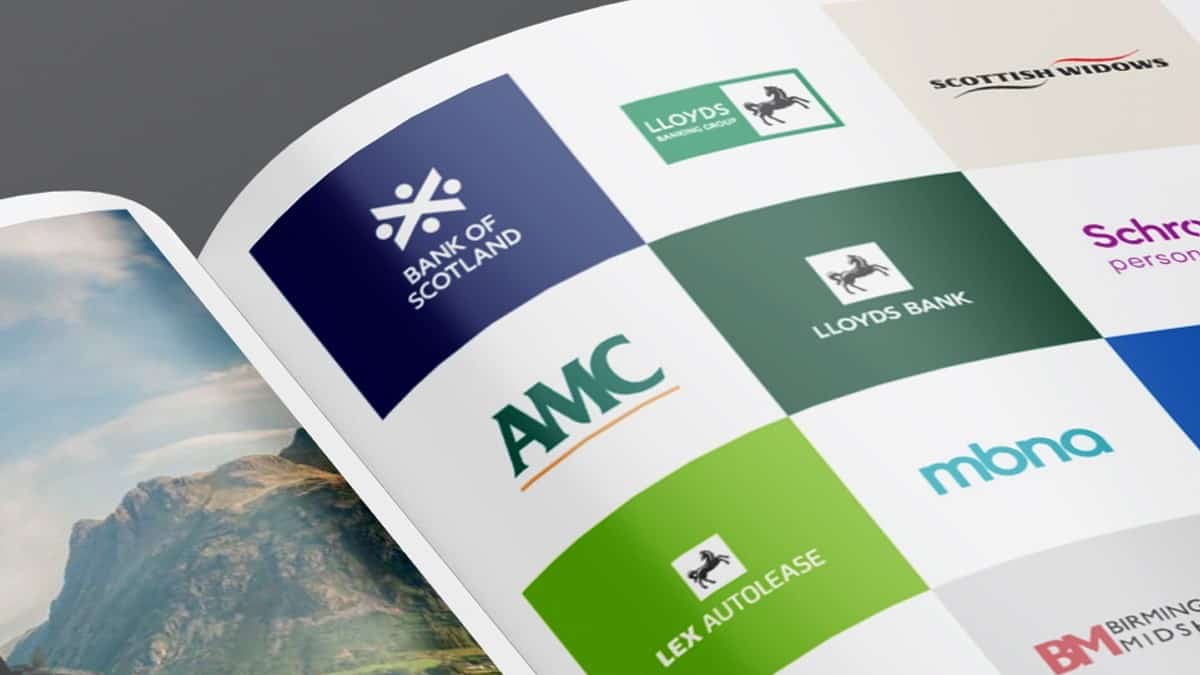

Could the Lloyds share price leap higher in 2022? I think so!

One of the UK’s most popular and widely watched shares is Lloyds Banking Group (LSE: LLOY). As a leading UK retail bank, Lloyds has over 30m customers. It also has around 65,000 employees, many of whom own bank stock. And after collapsing dramatically during 2020’s Covid-19 crisis, the Lloyds share price has rebounded strongly from its September 2020 lows. It’s also outperformed the FTSE 100 index so far in 2022. But I expect more good news for Lloyds shareholders, especially if the UK economy strengthens.

The Lloyds share price roller-coaster

Before coronavirus swept the globe, the Lloyds share price was holding up just fine. On 13 December 2019, the stock closed at 64.3p, before easing back to end 2019 at 62.5p. But as the Covid-19 pandemic unfolded, Lloyds shares collapsed. On 3 April 2020, Lloyds closed at 27.73p, before rebounding in the summer. However, Lloyds shares found an even lower low, hitting a rock-bottom price of 23.58p on 22 September 2020. The very next day, I said that I saw a lifetime of value in Lloyds.

5 Stocks For Trying To Build Wealth After 50

Markets around the world are reeling from the coronavirus pandemic… and with so many great companies trading at what look to be ‘discount-bin’ prices, now could be the time for savvy investors to snap up some potential bargains.

But whether you’re a newbie investor or a seasoned pro, deciding which stocks to add to your shopping list can be a daunting prospect during such unprecedented times.

Fortunately, The Motley Fool UK analyst team have short-listed five companies that they believe STILL boast significant long-term growth prospects despite the global upheaval…

We’re sharing the names in a special FREE investing report that you can download today. And if you’re 50 or over, we believe these stocks could be a great fit for any well-diversified portfolio.

Click here to claim your free copy now!

Then along came ‘Vaccine Monday’ (9 November 2020), with news of highly effective Covid-19 vaccines. By the end of 2020, the Lloyds share price had recovered to 36.44p. It also had a great 2021, ending the year at 47.8p and up almost a third (31.2%). Lloyds also restored its cash dividend in the second half of 2021, having cancelled it in spring 2020. On Friday, the Lloyds share price closed at 51.38p. That’s a 7.5% gain since December, versus just 1.8% for the wider FTSE 100. But I think there could be more to come for this stock in 2022-23.

What do I like about Lloyds today?

I don’t own this stock, but I’d happily buy it at the current Lloyds share price. Here’s why. First, Lloyds is a £36.5bn FTSE 100 heavyweight operating under a host of top brands. It has the UK’s largest mortgage book and is a leading supplier of credit to households and businesses. Its major brands include Lloyds Bank, Halifax, Bank of Scotland, Birmingham Midshires, Scottish Widows, MBNA, and Black Horse

Second, with UK inflation soaring, the Bank of England raised its base rate on 16 December and 3 February (last Thursday). The base rate is now 0.5% a year, from 0.1% before these two rate rises. Higher interest rates are positive for banks, boosting their net interest margins (NIMs). And with more rate rises expected in 2022-23, Lloyds should earn a higher spread between its lending rates and savings rates.

Third, if mortgage lending stays strong and consumers start spending on credit again, this loan growth should lift Lloyds’ profitability. Likewise, if businesses gain confidence and start borrowing more, this could support the Lloyds share price. Finally, Lloyds has billions of pounds of spare capital on its balance sheet. It could choose to return some of this as higher cash dividends and more share buybacks.

Finally, Lloyds shares look cheap to me right now. They trade on 7.8 times earnings and an earnings yield of 12.8%. Though the dividend yield of 2.3% is low, I expect it to increase over time. These are undemanding fundamentals, suggesting to me that this stock remains in value territory. But if Covid-19 returns with a vengeance, then the Lloyds share price could become very volatile — and even fall steeply again, as it did in 2020!

Should you invest £1,000 in Lloyds right now?

Before you consider Lloyds, you’ll want to hear this.

Motley Fool UK’s Director of Investing Mark Rogers has just revealed what he believes could be the 6 best shares for investors to buy right now… and Lloyds wasn’t one of them.

The online investing service he’s run for nearly a decade, Motley Fool Share Advisor, has provided thousands of paying members with top stock recommendations from the UK and US markets. And right now, Mark thinks there are 6 shares that are currently better buys.

Click here for the full details

Cliffdarcy has no position in any of the shares mentioned. The Motley Fool UK has recommended Lloyds Banking Group. Views expressed on the companies mentioned in this article are those of the writer and therefore may differ from the official recommendations we make in our subscription services, such as Share Advisor, Hidden Winners and Pro. Here at The Motley Fool, we believe that considering a diverse range of insights makes us better investors.

Avoid the grind of rising coffee prices – how to save on your takeaway brew

Avoid the grind of rising coffee prices – how to save on your takeaway brew
Image source: Getty Images


According to XTB, there has been a significant rise in coffee prices, including a 100% year-on-year increase in commodity prices. Consumers have already felt the squeeze, with the price of an average Americano increasing by over 12% in the last three years.

If, like many, you rely on a caffeine hit to get you through the day, here are some easy ways to keep a lid on your coffee spending.

The rising price of coffee in 2021

Due to the substantial price rise, XTB reports that the coffee market was “in serious chaos last year”. The ICE Arabica coffee futures contract is currently trading around $240 per pound, compared to $100 in January 2021. According to Fortune.com, coffee has posted “the largest price rise of any commodity in 2021 – a year that has consistently broken records across markets for energy and food.”

What’s caused this increase in coffee prices? Two key factors are extreme weather events impacting supply, and an increase in energy, shipping and labour costs. These costs are now being passed on to consumers, with XTB estimating the price of a cup of coffee could increase by 30%.

What are the most expensive coffee choices?

According to XTB, cappuccino-lovers pay the highest average price per cup at £2.75. Lattes are a close second at £2.74. The cheapest option is a single espresso at £1.67. The average prices of Americanos, cappuccinos and lattes have all increased by more than 10% in the last three years.

The major coffee shop chains charge very similar prices for regular coffees. Based on a medium Americano to take away, Costa offers the cheapest option at £2.85, followed by £2.90 at Starbucks and £2.95 at Caffè Nero (in Central London).

How to save money on your takeaway coffee

Here are a few tips to help you save money on your takeaway coffee:

  • Most coffee shops offer a 25p-50p discount for bringing your own reusable mug.
  • Sign up for loyalty schemes: Costa offers your ninth cup of coffee free, although Starbucks requires you to buy 20 regular Americanos to earn one free cup.
  • For heavy (coffee) drinkers, the monthly subscription at Pret a Manger might be worth considering. It offers five hot drinks a day for £20 per month. At £2.40 per coffee, this might be good value for people drinking more than eight coffees a month.
  • Look beyond the coffee shop chains: McDonald’s offers a cheaper option at 99p for an Americano.
  • Consider ordering a smaller size or dropping the extras: although a painful test of willpower, losing the whipped cream, marshmallows and extra shot of vanilla might be a good option for your wallet – and your health.
  • And the best cost-saving tip? Make your own coffee at home and fill up a flask.

Save money by brewing your coffee at home

For the more casual coffee drinker, the price of a cup of Nescafe Gold Blend is around 5p and the more upmarket Nescafe Azerais 10p.

If you’re looking to buy a coffee machine, Nespresso machines are a popular choice. Their machines typically cost upwards of £80 and require you to buy individual capsules to make a cup of coffee. There’s a wide range of speciality coffee types, costing around 35p-50p per capsule.

At home, I had a Nespresso machine that was small and easy to clean. However, the cup size was relatively modest and required two capsules to make a large Americano. During lockdown, my coffee-loving husband got through £150 of capsules in a month, so it was time for a rethink.

Bean-to-cup machines may be attractive to households drinking a large number of coffees. Budget models cost around £50-£100, with mid-range machines costing £300-£500. The beans cost around 14p for a large Americano, enabling us to recoup the higher initial outlay on the bean-to-cup machine after a few months.

How the savings can add up

A New Year’s resolution to buy one less takeaway coffee a day could add up to a substantial saving of £20 a week or £1,000 a year. Invest it for a few years in a Stocks and Shares ISA and you might be able to upgrade from a wet mini-break in the UK to a dream trip to Sydney.

According to Goldman Sachs, the S&P 500 achieved annual returns of 13.6% over the past 10 years. Although past performance is not an indicator of future results, investing £1,000 a year for five years would have resulted in a pot of nearly £6,000 based on these annual returns. It’s a good way to stop your morning coffee habit leaving a bitter taste in your mouth.

Was this article helpful?

YesNo


Some offers on The Motley Fool UK site are from our partners — it’s how we make money and keep this site going. But does that impact our ratings? Nope. Our commitment is to you. If a product isn’t any good, our rating will reflect that, or we won’t list it at all. Also, while we aim to feature the best products available, we do not review every product on the market. Learn more here. The statements above are The Motley Fool’s alone and have not been provided or endorsed by bank advertisers. John Mackey, CEO of Whole Foods Market, an Amazon subsidiary, is a member of The Motley Fool’s board of directors. The Motley Fool UK has recommended Barclays, Hargreaves Lansdown, HSBC Holdings, Lloyds Banking Group, Mastercard, and Tesco.


The UK’s favourite car colours revealed

The UK’s favourite car colours revealed
Image source: Getty Images


Apparently, the colour of your car can say a lot about your personality.

Black is believed by many to be the ultimate power colour. It suggests that you are a serious, self-confident and sophisticated individual. White suggests that you like things that convey simplicity and neatness. A colour like red, meanwhile, gives the impression that you are not afraid of attention, or that you are aggressive or impulsive. Of course, it could just be that you find a certain colour pleasing on the eye!

So, which colours are most Brits going for when buying a new car? And why are those colours so popular? I’ve got the answers.

The UK’s favourite car colours

For the fourth year in a row, grey tops the list of the UK’s most popular car colours, according to figures released by the Society of Motor Manufacturers and Traders (SMMT).

The data shows that 408,155 grey cars were sold in 2021, which is a quarter (24.8%) of all cars sold. In second place is black, with 337,351 cars in this colour sold, accounting for 20.5% of the market. White takes third place with 282,529 cars sold, or 17.2% of the total market. Blue, with 279,891 vehicles sold or 17.0% of the market, and Red, with 145,273 vehicles sold or 8.8% of the market, round out the top five.

The full list of the 10 most popular new car colours as established by SMMT is as follows:

Rank

Colour

No. of registrations

Market share (%)

Volume change compared to 2020

1

Grey

408,155

24.8

+2.8

2

Black

337,351

20.5

+3.9

3

White

282,529

17.2

-0.3

4

Blue

279,891

17.0

+1.4

5

Red

145,273

8.8

-1.3

6

Silver

111,549

6.8

-8.7

7

Green

17,927

1.1

+24.0

8

Orange

16,642

1.0%

-19.2

9

Yellow

8,952

0.5%

+31.3

10

Bronze

4,500

0.3%

+12.4

Why is grey so popular?

The popularity of grey could be due to a number of factors. SMMT says that grey “can be a sleek and deeper tone than other shades” and that it is “well suited to black trims and darker wheels”.

Furthermore, grey provides an appealing compromise between the traditionally popular colours of black and white. On a practical level, grey also tends to hide dirt better than other colours.

Grey may also be popular for financial reasons. For example, when it comes to resale value, grey is a “potentially safer choice”. It’s a neutral colour, so going for a grey car is similar to painting the walls in your house magnolia before you sell it.

The SMMT says that grey has a wider resale appeal than stronger colours. In fact, according to a previous study, black cars can lose up to 68% of their value when reselling.

What else does the data show?

In the run-up to the 2030 ban on the sale of new petrol and diesel vehicles, the research from the SMMT shows that there is a growing preference among Brits for ‘green cars’. Figures reveal that electric and hybrid vehicles accounted for more than one in every six car registrations, up from one in every ten in 2020 and one in every thirty in 2019.

And while there’s no doubt that greener engines are becoming popular, a matching green exterior is too. The data shows green cars were 24% more popular in 2021 than they were in 2020. 

Grey, however, remains the most popular colour of choice among Brits across all fuel types.

That said, white was found to be the most popular shade for mini and sports cars, while larger dual-purpose, luxury saloons, and executive cars were most likely to be black.

What else do you need to know when buying a new car?

Thinking of buying a new car in 2022? Colour is an important factor to consider, but it is not the only one. In fact, there are far more important factors to ponder, such as price, engine size and specifications, features and technology.

The most important thing when buying a car is to do your research before you take the plunge. That might include reading online reviews for the models you’re interested in or speaking with people who already own those models. This can help make a decision on whether a specific car model is right for you.

Finally, remember that you will need insurance for your new car. With car insurance premiums on the rise, make sure you take the time to compare quotes from various providers to ensure you get the best possible deal.

Was this article helpful?

YesNo


Some offers on The Motley Fool UK site are from our partners — it’s how we make money and keep this site going. But does that impact our ratings? Nope. Our commitment is to you. If a product isn’t any good, our rating will reflect that, or we won’t list it at all. Also, while we aim to feature the best products available, we do not review every product on the market. Learn more here. The statements above are The Motley Fool’s alone and have not been provided or endorsed by bank advertisers. John Mackey, CEO of Whole Foods Market, an Amazon subsidiary, is a member of The Motley Fool’s board of directors. The Motley Fool UK has recommended Barclays, Hargreaves Lansdown, HSBC Holdings, Lloyds Banking Group, Mastercard, and Tesco.


Expert reveals the secrets to getting a better pension!

Expert reveals the secrets to getting a better pension!
Image source: Getty Images


Around 25% of Brits are worried that they are not saving enough for a comfortable retirement and fear they need a better pension. On top of this, rising inflation is making it harder than ever to keep up with the cost of living in old age.

Helen Morrissey, senior pension and retirement analyst at Hargreaves Lansdown, has revealed two pension-boosting tricks that you may not know about. Here’s how to take advantage of payments and secure a better pension for your future.

The secrets to securing a better pension pot

Many Brits are unaware of how to increase their pensions to fund a better standard of living in retirement. The majority of people are restricted to an allowance of £40,000 per year. However, Helen Morrissey says that this shouldn’t stop you from contributing more whenever you can.

She explains that there are two ways some people may be able to pay more into their pension pots each year. If you are able to, this could be a great way to boost your funds and secure a better financial future.

1. Don’t stick to employer minimums!

If you receive a workplace pension, you will probably be aware of employer minimums. These are the minimum payments that you and your employer must make into your pension fund each month. While many people tend to stick to these minimum payments, it is possible to increase your contributions.

Employer minimums are simply guidelines that have been put in place to ensure that all workers receive fair contributions. However, there are no rules around increasing your own pension contributions.

You are free to contribute as much as you like into your pot – up to the £40,000 per year allowance. Helen Morrissey recommends taking advantage of your yearly allowance and contributing as much as you can each year. You can make contributions however you like. Therefore, you may want to consider making larger contributions during times when you have a bit of extra cash.

2. Carry forward

If you are unable to contribute the full £40,000 allowance into your fund, you could carry the excess into the following year.

Carry forward rules mean that, if you have any unused allowance in any of the last three tax years, you can use this to increase your allowance this year. This is an excellent loophole for self-employed individuals who may have a fluctuating salary.

For example, if, in the previous tax year, you only paid £20,000 into your pension fund, you could receive an extra £20,000 on top of this year’s allowance. Therefore, you could pay up to £60,000 into your pot this year!

Carry forward rules make it possible to increase your contributions when you have the funds available. Consequently, you won’t miss out on any of your pension allowances.

How to keep track of your contributions

Keeping track of your pension contributions makes it easy to know how much of your allowance you have left. A good idea is to make a note every time that you contribute to your pension fund.

You can also use your annual pension statements to keep track of how much you contribute each year. Once you access your pot, your annual allowance will reduce to just £4,000. Therefore, it is important to make the most of your annual allowances while you can!

Was this article helpful?

YesNo


Some offers on The Motley Fool UK site are from our partners — it’s how we make money and keep this site going. But does that impact our ratings? Nope. Our commitment is to you. If a product isn’t any good, our rating will reflect that, or we won’t list it at all. Also, while we aim to feature the best products available, we do not review every product on the market. Learn more here. The statements above are The Motley Fool’s alone and have not been provided or endorsed by bank advertisers. John Mackey, CEO of Whole Foods Market, an Amazon subsidiary, is a member of The Motley Fool’s board of directors. The Motley Fool UK has recommended Barclays, Hargreaves Lansdown, HSBC Holdings, Lloyds Banking Group, Mastercard, and Tesco.


The investment trust I’m buying for stock market crash protection

With economic uncertainty building, the risks of a stock market crash are growing. However, as a long-term investor, I am not interested in guessing when the market could fall in value. 

Instead, I am spending my time trying to find investments that can perform well in any market environment. And there is one investment trust I have been buying recently. I believe it has all of the qualities required to weather a stock market crash and potentially even emerge stronger on the other side. 

5 Stocks For Trying To Build Wealth After 50

Markets around the world are reeling from the coronavirus pandemic… and with so many great companies trading at what look to be ‘discount-bin’ prices, now could be the time for savvy investors to snap up some potential bargains.

But whether you’re a newbie investor or a seasoned pro, deciding which stocks to add to your shopping list can be a daunting prospect during such unprecedented times.

Fortunately, The Motley Fool UK analyst team have short-listed five companies that they believe STILL boast significant long-term growth prospects despite the global upheaval…

We’re sharing the names in a special FREE investing report that you can download today. And if you’re 50 or over, we believe these stocks could be a great fit for any well-diversified portfolio.

Click here to claim your free copy now!

Preserving wealth

Capital Gearing Trust (LSE: CGT) has two main aims. To preserve shareholders real wealth and achieve absolute total returns over the medium to long term. 

It has an excellent track record. The trust has achieved an average annual return of around 8% over the past couple of decades, with much less volatility than the rest of the market.

Of course, investors should never use past performance to guide future potential. Nevertheless, I think this track record shows the investment trust has achieved what it set out to do, proving that management has shareholders’ best interest in mind. 

The investment trust has relatively little exposure to the equity markets. Around 17% of the portfolio was invested in equities at the end of December, with a further 18% invested in property stocks and other property assets.

Index-linked government bonds accounted for 34% of assets, and the investment trust also owned a small position in gold. 

I have been buying shares in the investment trust because I believe this diversified approach will protect my portfolio in the event of a stock market crash.

Investment trust risks

There are a couple of negatives to using this approach. The firm charges an annual management fee of around 0.9%, including all costs, for a start. If I managed a portfolio of equities by myself, the cost would be minimal.

At the same time, the trust’s exposure to bonds and property suggests it will underperform some sections of the equity market, which have the potential to achieve higher returns in the long run. For example, a portfolio of property assets may underperform a high-growth technology business with market-leading profit margins. 

Crash protection

Still, I am not buying this investment trust to build exposure to fast-growing sectors. I am buying the shares to protect my portfolio from a stock market crash.

And I think the company can do just that. Its defensive asset allocation allows me to build exposure to assets such as preference shares. These may not be accessible to the average investor. The trust also has significant international exposure.

The second-largest individual holding in the portfolio is Vonovia, Germany’s leading nationwide residential real estate company. 

Considering this diversification, I am more than happy to pay the extra charge for investing in the market through Capital Gearing. 

5 Stocks For Trying To Build Wealth After 50

Markets around the world are reeling from the coronavirus pandemic…

And with so many great companies still trading at what look to be ‘discount-bin’ prices, now could be the time for savvy investors to snap up some potential bargains.

But whether you’re a newbie investor or a seasoned pro, deciding which stocks to add to your shopping list can be a daunting prospect during such unprecedented times.

Fortunately, The Motley Fool is here to help: our UK Chief Investment Officer and his analyst team have short-listed five companies that they believe STILL boast significant long-term growth prospects despite the global lock-down…

You see, here at The Motley Fool we don’t believe “over-trading” is the right path to financial freedom in retirement; instead, we advocate buying and holding (for AT LEAST three to five years) 15 or more quality companies, with shareholder-focused management teams at the helm.

That’s why we’re sharing the names of all five of these companies in a special investing report that you can download today for FREE. If you’re 50 or over, we believe these stocks could be a great fit for any well-diversified portfolio, and that you can consider building a position in all five right away.

Click here to claim your free copy of this special investing report now!

Rupert Hargreaves owns Capital Gearing Trust. The Motley Fool UK has no position in any of the shares mentioned. Views expressed on the companies mentioned in this article are those of the writer and therefore may differ from the official recommendations we make in our subscription services such as Share Advisor, Hidden Winners and Pro. Here at The Motley Fool we believe that considering a diverse range of insights makes us better investors.

The investment trust I am buying for stock market crash protection

With economic uncertainty building, the risks of a stock market crash are growing. However, as a long term investor, I am not interested in guessing when the market could fall in value. 

Instead, I am spending my time trying to find investments that can perform well in any market environment. And there is one investment trust I have been buying recently, which I believe has all of the qualities required to weather a stock market crash and potentially even emerge stronger on the other side. 

5 Stocks For Trying To Build Wealth After 50

Markets around the world are reeling from the coronavirus pandemic… and with so many great companies trading at what look to be ‘discount-bin’ prices, now could be the time for savvy investors to snap up some potential bargains.

But whether you’re a newbie investor or a seasoned pro, deciding which stocks to add to your shopping list can be a daunting prospect during such unprecedented times.

Fortunately, The Motley Fool UK analyst team have short-listed five companies that they believe STILL boast significant long-term growth prospects despite the global upheaval…

We’re sharing the names in a special FREE investing report that you can download today. And if you’re 50 or over, we believe these stocks could be a great fit for any well-diversified portfolio.

Click here to claim your free copy now!

Preserving wealth

Capital Gearing Trust (LSE: CGT) has two main aims. To preserve shareholders real wealth and achieve absolute total returns over the medium to long term. 

It has an excellent track record. The trust has achieved an average annual return of around 8% over the past couple of decades, with much less volatility than the rest of the market.

Of course, investors should never use past performance to guide future potential. Nevertheless, I think this track record shows that the investment trust has achieved what it set out to do, proving that management has shareholders’ best interest in mind. 

The investment trust has relatively little exposure to the equity markets. Around 17% of the portfolio was invested in equities at the end of December, with a further 18% invested in property stocks and other property assets.

Index-linked government bonds accounted for 34% of assets, and the investment trust also owned a small position in gold. 

I have been buying shares in the investment trust because I believe this diversified approach will protect my portfolio in the event of a stock market crash.

Investment trust risks

There are a couple of negatives to using this approach. The firm charges an annual management fee of around 0.9%, including all costs for a start. If I managed a portfolio of equities by myself, the cost would be minimal.

At the same time, the trust’s exposure to bonds and property suggests that it will underperform some sections of the equity market, which have the potential to achieve higher returns in the long run. For example, a portfolio of property assets may underperform a high-growth technology business with market-leading profit margins. 

Stock market crash protection

Still, I am not buying this investment trust to build exposure to fast-growing sectors. I am buying the shares to protect my portfolio from a stock market crash.

And I think the company can do just that. Its defensive asset allocation allows me to build exposure to assets such as preference shares. These may not be accessible to the average investor. The trust also has significant international exposure.

The second-largest individual holding in the portfolio is Vonovia, Germany’s leading nationwide residential real estate company. 

Considering this diversification, I am more than happy to pay the extra charge for investing in the market through Capital Gearing. 

5 Stocks For Trying To Build Wealth After 50

Markets around the world are reeling from the coronavirus pandemic…

And with so many great companies still trading at what look to be ‘discount-bin’ prices, now could be the time for savvy investors to snap up some potential bargains.

But whether you’re a newbie investor or a seasoned pro, deciding which stocks to add to your shopping list can be a daunting prospect during such unprecedented times.

Fortunately, The Motley Fool is here to help: our UK Chief Investment Officer and his analyst team have short-listed five companies that they believe STILL boast significant long-term growth prospects despite the global lock-down…

You see, here at The Motley Fool we don’t believe “over-trading” is the right path to financial freedom in retirement; instead, we advocate buying and holding (for AT LEAST three to five years) 15 or more quality companies, with shareholder-focused management teams at the helm.

That’s why we’re sharing the names of all five of these companies in a special investing report that you can download today for FREE. If you’re 50 or over, we believe these stocks could be a great fit for any well-diversified portfolio, and that you can consider building a position in all five right away.

Click here to claim your free copy of this special investing report now!

Rupert Hargreaves owns Capital Gearing Trust. The Motley Fool UK has no position in any of the shares mentioned. Views expressed on the companies mentioned in this article are those of the writer and therefore may differ from the official recommendations we make in our subscription services such as Share Advisor, Hidden Winners and Pro. Here at The Motley Fool we believe that considering a diverse range of insights makes us better investors.

Small businesses saving £4,000+ a month thanks to hybrid working

Small businesses saving £4,000+ a month thanks to hybrid working
Image source: Getty Images


The impact of the Covid-19 pandemic has generally been negative, but a few good things have emerged from it. We have been pushed to be much more flexible and open-minded than before to cope with the new normal. Businesses have also had to adopt changes to enable them to reap benefits in the short and long term.

One of these changes is the hybrid working model, which has been beneficial to employees and employers. In fact, some small businesses have saved an average of £4,000 monthly thanks to the model. Here’s how.

How is the hybrid working model saving small businesses money?

Rent

As the pandemic took hold and working from home became the norm, small businesses quickly realised they were renting too much space and paying inflated rental rates.

With the working from home (WFH) or hybrid working model, such large amounts of space are no longer needed, meaning reduced rental rates. In fact, research from Hitachi Capital Business Finance reveals that small businesses with fewer than 50 employees are saving around £4,000 a month on rent.

Utility bills

Energy prices are a hot topic right now, particularly following the news that Ofgem is raising the price cap by 54%. With the energy crisis significantly impacting both gas and electricity bills, many small businesses are deeply concerned about rising costs.

The hybrid working model has helped some small businesses to reduce some of their utility bills, leading to some significant savings.

Are there any concerns?

Undoubtedly, businesses are making huge savings, and so are employees. Many workers are happy that they don’t have to spend money commuting from home to office, as the hybrid model means they are needed in the office far less frequently. However, there are some concerns.

What will happen to employees whose jobs rely on workers being in the office, such as cleaners and catering staff? Does the hybrid model mean they lose their jobs? Some are worried that in the long term, the hybrid model may bring about productivity concerns because of lack of motivation, poor socialisation and distractions due to the lack of a good working environment.

And in light of Ofgem’s recent announcement, some employees are concerned about increasing home utility bills, which would be lower if they were in the office.

Take home

Like every business decision owners make, especially during the pandemic, many factors need to be considered first. The hybrid working model may or may not be suitable for your business, but if it is, it’s worth finding out whether you can save some cash.

The good news is that most employers claim that their workers are happy, and productivity hasn’t been affected. In fact, employees don’t miss the long drives to work or getting stuck in traffic on cold and wet mornings. They work better and have plenty of time to bond with their families.

Employers are reporting huge savings from not having to pay inflated rental rates and heating and lighting bills on the business side, suggesting that overall, it’s a win-win situation.

Evaluate your business and consider all positive and negative factors, and remember to include your employees in your decision-making.

Compare our top-rated business credit cards

A business card offers practical benefits that appeal to – and in many cases are extremely helpful to – business owners.

To help you see what kind of perks you could unlock, we’ve created a list of some of our top-rated business credit cards.

Was this article helpful?

YesNo


Some offers on The Motley Fool UK site are from our partners — it’s how we make money and keep this site going. But does that impact our ratings? Nope. Our commitment is to you. If a product isn’t any good, our rating will reflect that, or we won’t list it at all. Also, while we aim to feature the best products available, we do not review every product on the market. Learn more here. The statements above are The Motley Fool’s alone and have not been provided or endorsed by bank advertisers. John Mackey, CEO of Whole Foods Market, an Amazon subsidiary, is a member of The Motley Fool’s board of directors. The Motley Fool UK has recommended Barclays, Hargreaves Lansdown, HSBC Holdings, Lloyds Banking Group, Mastercard, and Tesco.


Here’s how Warren Buffett beats inflation (and how I can too)

Last week, I drew on the wisdom of one of the world’s greatest investors — Warren Buffett — as a way of coping with January’s stock market tumble. Today, I’m returning to the ‘Sage of Omaha’ for guidance on how I can cope with inflation. It turns out that Buffett’s method is actually pretty simple.

How Warren Buffett beats inflation

Buffett recommends buying stock in companies that are capable of passing on price increases to the consumer. But why?

5 Stocks For Trying To Build Wealth After 50

Markets around the world are reeling from the coronavirus pandemic… and with so many great companies trading at what look to be ‘discount-bin’ prices, now could be the time for savvy investors to snap up some potential bargains.

But whether you’re a newbie investor or a seasoned pro, deciding which stocks to add to your shopping list can be a daunting prospect during such unprecedented times.

Fortunately, The Motley Fool UK analyst team have short-listed five companies that they believe STILL boast significant long-term growth prospects despite the global upheaval…

We’re sharing the names in a special FREE investing report that you can download today. And if you’re 50 or over, we believe these stocks could be a great fit for any well-diversified portfolio.

Click here to claim your free copy now!

Well, as he said: “If you’ve got the power to raise prices without losing business to a competitor, you’ve got a very good business“.

This power is often the result of having a strong brand. But it can also relate to the amount a company is able to spend on developing new products.

Having a strong control on distribution, or huge marketing clout, also helps. Many companies have some or all of these attributes. Collectively, they make up what the master investor labels as a ‘moat’ to fend off rivals. 

The fact that Buffett was able to grow wealth during the 1970s (when inflation exploded in the US) is evidence that this method can work wonders. So which stocks might be worth me buying today?

Stocks to buy now

In the US, I’d say tech giant Apple is a good buy now. Regardless of how similar it is to the previous model in terms of capability, and even though some cash-strapped consumers may well decide to swap brands, we know many people will pay top-dollar to have the newest iPhone.

Even those who only replace their phone (or tablet, headphones or smartwatch) every few years they find it hard to leave the Apple ecosystem due to the hassle involved.

It’s this friction that is so incredibly valuable. It should come as no surprise that Buffett is heavily invested in the business.

When it comes to the UK, I remain convinced that FTSE 100 stock Unilever is a great pick. I know for a fact I’d be willing to pay a few pennies more for my Marmite fix. That’s the case even if it meant making sacrifices elsewhere.

Sure, things have been a little unsettling for holders of late. Its bid for GlaxoSmithKline‘s consumer healthcare business failed. Star fund manager Terry Smith’s suggestion that the firm is too focused on its sustainability credentials can’t have helped sentiment either.

However, the share price is now below where it stood when the UK first went into lockdown in 2020. Considering the blue-chip’s bursting portfolio of brands, that looks like an opportunity to me.

It may take time for Unilever’s inflation-busting attributes to shine through. However, there’s a 3.9% dividend yield to make up for it.

Safety in numbers

Of course, buying stock in a company with pricing power doesn’t guarantee anything. The share prices of both Apple and Unilever can easily slide along with those of inferior companies when the markets panic.

However, I’d certainly sleep more soundly knowing that the businesses I part-own have shown an ability to take the sting out of inflation in the past.

Spreading my money around a number of these should give me the best chance of coming through this purse-tightening period relatively unscathed.

5 Stocks For Trying To Build Wealth After 50

Markets around the world are reeling from the coronavirus pandemic…

And with so many great companies still trading at what look to be ‘discount-bin’ prices, now could be the time for savvy investors to snap up some potential bargains.

But whether you’re a newbie investor or a seasoned pro, deciding which stocks to add to your shopping list can be a daunting prospect during such unprecedented times.

Fortunately, The Motley Fool is here to help: our UK Chief Investment Officer and his analyst team have short-listed five companies that they believe STILL boast significant long-term growth prospects despite the global lock-down…

You see, here at The Motley Fool we don’t believe “over-trading” is the right path to financial freedom in retirement; instead, we advocate buying and holding (for AT LEAST three to five years) 15 or more quality companies, with shareholder-focused management teams at the helm.

That’s why we’re sharing the names of all five of these companies in a special investing report that you can download today for FREE. If you’re 50 or over, we believe these stocks could be a great fit for any well-diversified portfolio, and that you can consider building a position in all five right away.

Click here to claim your free copy of this special investing report now!

Paul Summers has no position in any of the shares mentioned. The Motley Fool UK has recommended Apple, GlaxoSmithKline, and Unilever. Views expressed on the companies mentioned in this article are those of the writer and therefore may differ from the official recommendations we make in our subscription services such as Share Advisor, Hidden Winners and Pro. Here at The Motley Fool we believe that considering a diverse range of insights makes us better investors.

Revealed! The most popular electric vehicle (EV) models right now

Revealed! The most popular electric vehicle (EV) models right now
Image source: Getty Images


The electric vehicle (EV) revolution is well and truly upon us. Ahead of the 2030 UK ban on the sale of petrol and diesel cars, the EV market has experienced a boom over the last year.

This is reflected in both a significant increase in online searches for EVs and increased sales of EVs. But which are the most popular EVs right now? And what do you need to know before purchasing one? Read on to find out.

What’s happening in the electric vehicle (EV) market

In a difficult 2021 car market marked by sales that were nearly 30% lower than pre-pandemic levels, electric vehicles proved to be a bright spot.

Figures from the Society of Motor Manufacturers and Traders (SMMT) show that a total of 1.65 million cars were registered in 2021, which is 1% higher than in 2020 but 28.7% lower than in 2019 before the pandemic.

Of these registrations, 190,727 were for battery electric vehicles (BEVs), which is higher than the figure for the previous five years combined. Registrations for plug-in-hybrid electric vehicles (PHEVs), meanwhile, stood at 114,554. In total, electric vehicles accounted for 18.5% of all new cars registered in the UK in 2021.

Aside from the increased sales figures for EVs, Google Trends data shows that search interest in EVs has increased dramatically, with the search term ‘best electric cars 2022’ seeing a 2,100% increase.

Which are the most popular electric vehicles (EVs)?

As electric vehicles become more common on the road, their social media appeal is also growing.

With this in mind, car insurance comparison site Quotezone combed through Instagram and TikTok to find the EVs shared or bragged about most often by users.

The research revealed that Tesla leads the pack when it comes to online popularity. The two EVs that received the highest number of hashtags were both Tesla models. These are the Tesla Model 3 and the Tesla Model S, with 1,300, 591,645, and 371,892,974 shares respectively, on TikTok and Instagram.

In third place is the Audi e-tron with 167,907,366 shares, followed by the Porsche Taycan with 92,971,382 shares. The Ford Mustang Mach-E, with 34,411,216 shares, closes out the top 5.

Here is the complete list of the top 10 most popular EVs according to Quotezone:

Electric Vehicle Model

Total no. of social shares

1

Tesla Model 3

1,300,591,645

2

Tesla Model S

371,892,974

3

Audi e-tron

167,907,366

4

Porsche Taycan

92,971,382

5

Ford Mustang Mach-E

34,411,216

6

Nissan Leaf

23,141,917

7

Volvo XC40 Recharge

16,205,825

8

BMW i3

15,927,608

9

Kia EV6

13,813,314

10

Hyundai Ioniq 5

12,493,489

What do you need to know before purchasing an EV?

Aside from the obvious benefit of being less polluting, electric vehicles are much cheaper to run than fuel-powered cars. Credit broker Norton Finance says that EVs usually cost about £106 less per year to run, saving owners approximately £1,492 on average lifetime bills.

With electric cars, you also don’t have to worry about paying congestion fees. Furthermore, EVs are said to hold their value better than their petrol and diesel counterparts.

However, there are a few drawbacks to be aware of.

The lack of a widespread EV charging network in the UK means that finding a charging point can be difficult at times, especially if you live far from a major urban centre. However, the government is taking steps to address this. For example, it has been announced that beginning in 2022, all new homes and buildings in England will be built with EV charging points.

It’s worth noting that electric vehicles can be more expensive to insure than petrol- and diesel-powered cars. Therefore, before you close the deal on one, take some time first to compare car insurance quotes to increase the odds of scoring the best possible deal for your circumstances.

Finally, there is the issue of buying costs. Right now, EVs are generally more expensive to buy than their petrol and diesel counterparts. If you have decided that your next car will be an EV, the good news is that there are plenty of ways to finance the purchase, including unsecured personal loans, personal contract plan (PCP) or hire purchase.

What’s more, you may be eligible for a government grant of up to £1,500 to purchase your next EV. Check out the gov.uk website for more on this.

Was this article helpful?

YesNo


Some offers on The Motley Fool UK site are from our partners — it’s how we make money and keep this site going. But does that impact our ratings? Nope. Our commitment is to you. If a product isn’t any good, our rating will reflect that, or we won’t list it at all. Also, while we aim to feature the best products available, we do not review every product on the market. Learn more here. The statements above are The Motley Fool’s alone and have not been provided or endorsed by bank advertisers. John Mackey, CEO of Whole Foods Market, an Amazon subsidiary, is a member of The Motley Fool’s board of directors. The Motley Fool UK has recommended Barclays, Hargreaves Lansdown, HSBC Holdings, Lloyds Banking Group, Mastercard, and Tesco.


Financial News

Daily News on Investing, Personal Finance, Markets, and more!

Financial News

Policy(Required)