The best dividend shares to buy right now

I am always looking for dividend shares to buy for my portfolio. Right now, I think investors are spoilt for choice when it comes to income investments. 

As such, here are a selection of companies that I believe are some of the best dividend shares to buy now. 

5 Stocks For Trying To Build Wealth After 50

Markets around the world are reeling from the coronavirus pandemic… and with so many great companies trading at what look to be ‘discount-bin’ prices, now could be the time for savvy investors to snap up some potential bargains.

But whether you’re a newbie investor or a seasoned pro, deciding which stocks to add to your shopping list can be a daunting prospect during such unprecedented times.

Fortunately, The Motley Fool UK analyst team have short-listed five companies that they believe STILL boast significant long-term growth prospects despite the global upheaval…

We’re sharing the names in a special FREE investing report that you can download today. And if you’re 50 or over, we believe these stocks could be a great fit for any well-diversified portfolio.

Click here to claim your free copy now!

The best dividend shares

One sector I think is being particularly unfairly punished by the market is the homebuilding sector. 

Shares in companies like Taylor Wimpey and Persimmon have been under pressure following the government’s announcement that it would crack down on developers to help fund the country’s cladding crisis. 

However, according to analysts, the sell-off has gone too far. Analysts believe these companies have lost significantly more market value than they would have to pay out in the worst-case scenario. I think this presents an opportunity. While there is still a risk that they could be on the hook for billions in potential liabilities, low valuations offset some of this risk. 

That is why I would acquire both Taylor and Persimmon for my portfolio today. The former currently supports a potential dividend yield of 5.7%. The latter yields around 9%. On top of this, both companies have cash-rich balance 7.

As well as the homebuilders, I think Hikma and Coca-Cola HBC are also some of the best shares to buy now. 

I think both of these dividend shares have unique qualities, which makes them stand out from the competition. Hikma is one of the world’s largest producers of generic drugs. It has substantial economies of scale and resources to invest in developing new treatments. This is its competitive edge. 

Meanwhile, Coca-Cola HBC has the bottling contract for its namesake in Europe. This almost guarantees the company’s revenue stream, giving it the flexibility to invest in other business areas and return cash to investors. 

Having said all of the above, these companies are both exposed to risks. Challenges they could face in the future include rising cost inflation and competition. Even Coca-Cola HBC is not immune to competition in the soft drinks sector. It may need to increase its marketing spending to maintain its position in the industry. 

Despite these risks, I think both organisations appear attractive as dividend shares. Coca-Cola HBC currently supports a dividend yield of 2.9%, with room for growth as the company’s earnings expand. It has also been returning cash to investors by repurchasing shares. 

Hikma offers a dividend yield of 2%. The dividend payout is covered 3.5 times by earnings per share, leaving plenty of headroom for further payout increases in the years ahead as the company’s profits expand. 

With a potential for both income and profit growth, I think these groups are some of the best shares to buy now. Not just for their income credentials but for their growth potential as well. 

FREE REPORT: Why this £5 stock could be set to surge

Are you on the lookout for UK growth stocks?

If so, get this FREE no-strings report now.

While it’s available: you’ll discover what we think is a top growth stock for the decade ahead.

And the performance of this company really is stunning.

In 2019, it returned £150million to shareholders through buybacks and dividends.

We believe its financial position is about as solid as anything we’ve seen.

  • Since 2016, annual revenues increased 31%
  • In March 2020, one of its senior directors LOADED UP on 25,000 shares – a position worth £90,259
  • Operating cash flow is up 47%. (Even its operating margins are rising every year!)

Quite simply, we believe it’s a fantastic Foolish growth pick.

What’s more, it deserves your attention today.

So please don’t wait another moment.

Get the full details on this £5 stock now – while your report is free.


Rupert Hargreaves has no position in any of the shares mentioned. The Motley Fool UK has recommended Coca-Cola HBC and Hikma Pharmaceuticals. Views expressed on the companies mentioned in this article are those of the writer and therefore may differ from the official recommendations we make in our subscription services such as Share Advisor, Hidden Winners and Pro. Here at The Motley Fool we believe that considering a diverse range of insights makes us better investors.

Why I’d invest £2k in Royal Mail shares for income and growth

I think Royal Mail (LSE: RMG) shares are one of the most overlooked investments on the London market today. Considering the company’s potential, I would be happy to invest £2,000 in the business right now to hold as an investment for the next five to 10 years. 

Growth catalysts

I believe two main growth catalysts will drive the company forward over the next decade or so. The first is the ever-increasing demand for parcel delivery across the UK.

5 Stocks For Trying To Build Wealth After 50

Markets around the world are reeling from the coronavirus pandemic… and with so many great companies trading at what look to be ‘discount-bin’ prices, now could be the time for savvy investors to snap up some potential bargains.

But whether you’re a newbie investor or a seasoned pro, deciding which stocks to add to your shopping list can be a daunting prospect during such unprecedented times.

Fortunately, The Motley Fool UK analyst team have short-listed five companies that they believe STILL boast significant long-term growth prospects despite the global upheaval…

We’re sharing the names in a special FREE investing report that you can download today. And if you’re 50 or over, we believe these stocks could be a great fit for any well-diversified portfolio.

Click here to claim your free copy now!

Royal Mail has been rising to the challenge in recent years. It has launched a new parcel pickup service and is investing hundreds of millions of pounds in automated parcel sorting machines.

These initiatives should help the organisation capitalise on the booming e-commerce sector and the resulting growth in parcel delivery volumes. 

For years the company has been trying to offset declining letter volumes in its core business, and it now looks as if rising parcel volumes will offset this headwind. 

That is the first primary catalyst I believe will drive the firm forward over the next ten years. 

The second catalyst is the company’s expansion of its international business. I have long believed that ignoring this division was a significant mistake.

In the UK, Royal Mail has to deliver a certain level of service to every household. But overseas, the group can pick and choose the markets in which it wants to operate. It can bring its experience working in the UK to overseas businesses and use the cash generated to help grow the international division and provide financing for the company here at home.

Management finally seems to be taking action on this front. The company recently laid out its ambitious growth plans for the international business over the next five years. These plans could include additional acquisitions and expansion into new markets.

Headwinds for Royal Mail shares

Of course, by expanding into new markets, the company may encounter new competitors. This is probably the most significant challenge it may have to overcome during the next couple of years.

Fighting off new competitors and investing in new machinery will impact its bottom line. If costs grow significantly, I will have to re-evaluate my opinion on Royal Mail shares. 

Despite these possible challenges, the investment offers significant potential over the next decade. 

As well as the growth tailwinds outlined above, I think the business can also become an attractive income investment. According to current analysts’ projections, the shares will yield 6.4% for 2022. That looks extremely attractive in the current interest rate environment. 

The stock is also trading at a forward price-to-earnings (P/E) multiple of 6.8. This looks dirt cheap, and the valuation is close to the stock’s dividend yield, an incredibly rare phenomenon.

Historically, Royal Mail shares have commanded a P/E multiple of around 10. The stock could increase by 47% from current levels if it returns to this multiple. 

Considering this income and growth potential, I would invest £2,000 in the company today. 

FREE REPORT: Why this £5 stock could be set to surge

Are you on the lookout for UK growth stocks?

If so, get this FREE no-strings report now.

While it’s available: you’ll discover what we think is a top growth stock for the decade ahead.

And the performance of this company really is stunning.

In 2019, it returned £150million to shareholders through buybacks and dividends.

We believe its financial position is about as solid as anything we’ve seen.

  • Since 2016, annual revenues increased 31%
  • In March 2020, one of its senior directors LOADED UP on 25,000 shares – a position worth £90,259
  • Operating cash flow is up 47%. (Even its operating margins are rising every year!)

Quite simply, we believe it’s a fantastic Foolish growth pick.

What’s more, it deserves your attention today.

So please don’t wait another moment.

Get the full details on this £5 stock now – while your report is free.


Rupert Hargreaves has no position in any of the shares mentioned. The Motley Fool UK has no position in any of the shares mentioned. Views expressed on the companies mentioned in this article are those of the writer and therefore may differ from the official recommendations we make in our subscription services such as Share Advisor, Hidden Winners and Pro. Here at The Motley Fool we believe that considering a diverse range of insights makes us better investors.

2 FTSE 250 stocks I’d buy if I had to start from scratch with £5k

If I had to start from scratch as an investor today with a lump sum of £5,000, I think there are plenty of options available for me to invest my money, especially in the FTSE 250

Now we are past the worst of the pandemic, and the turbulence of Brexit is moving into the rearview mirror, I think the outlook for the UK economy is encouraging. 

5 Stocks For Trying To Build Wealth After 50

Markets around the world are reeling from the coronavirus pandemic… and with so many great companies trading at what look to be ‘discount-bin’ prices, now could be the time for savvy investors to snap up some potential bargains.

But whether you’re a newbie investor or a seasoned pro, deciding which stocks to add to your shopping list can be a daunting prospect during such unprecedented times.

Fortunately, The Motley Fool UK analyst team have short-listed five companies that they believe STILL boast significant long-term growth prospects despite the global upheaval…

We’re sharing the names in a special FREE investing report that you can download today. And if you’re 50 or over, we believe these stocks could be a great fit for any well-diversified portfolio.

Click here to claim your free copy now!

The domestic index

The FTSE 250 tends to be a more representative index of the domestic economy. More than two-thirds of FTSE 100 profits are generated outside the country, making this index more of a barometer of global economic health than UK economic performance. 

As most of the FTSE 100’s profits are also generated outside of the UK, the index tends to be heavily influenced by the pound. A weaker pound could help produce higher profits for the index’s constituents. 

Meanwhile, company and economic fundamentals tend to have a more significant impact on the FTSE 250. 

As such, here are my two favourite companies in the UK-focused index. I would buy both of these stocks for my starter portfolio if I had to begin with an investment of just £5,000 today. 

FTSE 250 stocks

The first company on my list is a financial services champion.

Liontrust Asset Management (LSE: LIO) has grown rapidly over the past five years. Revenues have increased from around £50m in 2017 to £175m in 2021. 

The organisation’s formula is simple. It draws investors to its offering by constructing funds that outperform the market. For example, the firm’s oldest fund, the Liontrust UK Smaller Companies Fund, launched in January 1998, has consistently ranked in the best performing 25% of UK funds since its launch 24 years ago.

The company’s second oldest offering, the Liontrust Balanced Fund, has achieved a similar performance. 

These numbers explain why investors are happy to entrust their money to the company. It does not look as if this trend will come to an end anytime soon. Net inflows over the three months to 31 December 2021 were £832m. The net inflows over the nine months to 31 December 2021 were £2.9bn. 

These numbers put the company on a par with the UK’s largest online stockbroker, Hargreaves Lansdown

Bumps in the road 

Still, past performance should never be used to guide future potential. Liontrust’s performance has helped attract investors over the past two-and-a-half decades, but a couple of missteps could destroy this track record. In this scenario, the company may find itself having to offer customers expensive incentives to stay on board. 

Another challenge the business could face is competition. The asset management sector is incredibly competitive. Liontrust needs to keep investing in its offering, or the firm could be left behind. 

Even after taking these challenges into account, I would make this FTSE 250 company a cornerstone of my starter portfolio. As assets under management continue to grow, I expect the firm’s profits to follow suit. 

FTSE 250 gold play

I always like to include some exposure to the gold mining industry in my portfolio. I tend to stay away from investing in gold directly because I would rather own shares in a company producing cash flow that can return some of this money to investors with dividends. 

That is why I would also acquire FTSE 250 gold mining company Centamin (LSE: CEY) for my starter portfolio. 

This Egypt-focused gold miner is incredibly well run, in my opinion. Over the past five years, the group has managed its operations efficiently while expanding production, keeping costs low, and maintaining a solid balance sheet. 

On top of these qualities, Centamin has also become a dividend champion. In the past, the stock has consistently supported dividend yields in the high single digits. And of course, these cash distributions are supported by the company’s strong balance sheet, which is stuffed full of cash and gold bullion. 

Growing output

According to the firm’s latest production report, the group is currently profiting from rising gold prices. It sold nearly 100,000 oz of the precious metal in the fourth quarter of 2021, at an average price of $1,828/oz. That is compared to the full-year average of $1,797/oz. 

Costs have also increased modestly, is although rising gold prices are offsetting some of this group. The cash cost of production per ounce was $972 in the fourth quarter compared to the full-year average of $859. 

These figures illustrate the company’s defensive nature. The cost of production is rising due to inflation. However, the price of gold has been an excellent hedge against inflation pressures for much of the past century. This suggests that the enterprise is one of the best FTSE 250 enterprises to own in the current economic environment. 

That being said, Centamin is not wholly immune to economic and political challenges. It has faced challenges in the past operating with the Egyptian government. Further, there is no guarantee the price of gold will continue to reflect inflation. If gold prices stagnate and costs continue to increase, the company’s profit margins will come under pressure. 

Income champion

Still, even after taking these headwinds into account, I am encouraged by the FTSE 250 company’s potential over the next couple of years. It is looking to hike gold output by more than 10% in 2022. Increasing sales and profits will help the business fund its exploration activities as it looks to diversify away from its core projects. 

City analysts believe the corporation can pay out a dividend yield equivalent to 6.2% of its current share price for the current financial year. Even though that is a decline of 43% on 2020 levels, it still makes this company a desirable income prospect.

As such, I believe this enterprise would make the perfect addition alongside Liontrust to my £5k FTSE 250 starter portfolio. 

Our 5 Top Shares for the New “Green Industrial Revolution”

It was released in November 2020, and make no mistake:

It’s happening.

The UK Government’s 10-point plan for a new “Green Industrial Revolution.”

PriceWaterhouse Coopers believes this trend will cost £400billion…

…That’s just here in Britain over the next 10 years.

Worldwide, the Green Industrial Revolution could be worth TRILLIONS.

It’s why I’m urging all investors to read this special presentation carefully, and learn how you can uncover the 5 companies that we believe are poised to profit from this gargantuan trend ahead!

Access this special “Green Industrial Revolution” presentation now


Oil prices are soaring but will the BP share price continue to rise?

What a rollercoaster it has been for world oil prices in recent years. As one of the top 10 largest oil producers in the world, and a stock that I have held in in the past, I was keen to understand what is likely to happen to the BP (LSE: BP) share price in the coming years and months.

On the back of basic fundamentals, BP appears to represent good value. At the current share price of 385p and its dividend yield of 4.15%, it would seem to represent a good hedge against rising inflation. The stock is also trading at a competitive price-to-earnings (P/E) ratio of 14 times, with analysts generally expecting stronger results for 2022.

5 Stocks For Trying To Build Wealth After 50

Markets around the world are reeling from the coronavirus pandemic… and with so many great companies trading at what look to be ‘discount-bin’ prices, now could be the time for savvy investors to snap up some potential bargains.

But whether you’re a newbie investor or a seasoned pro, deciding which stocks to add to your shopping list can be a daunting prospect during such unprecedented times.

Fortunately, The Motley Fool UK analyst team have short-listed five companies that they believe STILL boast significant long-term growth prospects despite the global upheaval…

We’re sharing the names in a special FREE investing report that you can download today. And if you’re 50 or over, we believe these stocks could be a great fit for any well-diversified portfolio.

Click here to claim your free copy now!

Management also seems confident that BP is undervalued. In the last financial year, BP dedicated some $4.15 billion of its own money to a share buyback programme. This move should enhance future returns to shareholders and support an increased dividend pay-out in years to come.

On an operating level, BP has made substantial strides in recent years to move away from its heavy dependence on hydrocarbons into a more diversified energy business.

The oil and gas business has been streamlined heavily and is now focused on high-margin production. In the short term, this is likely to contribute positively to the bottom line, reflecting the surge in oil prices over the past two years — although current price levels are unlikely to be sustained.

Of the risks to BP, I am a most concerned about the elephant in the room — namely, the company’s investment in Russian gas producer, Rosneft.

The contribution of Rosneft to BP’s profit figures last year was in the region of 10% and I am worried that the uncertainty regarding “tit for tat” sanctions between Russia and the West may have an impact on these numbers in 2022.

Other concerns include the ongoing reparations for the Gulf of Mexico oil spillage back in 2010. BP is committed to an 18-year compensation package, with $1.8bn alone set aside in 2022 for these payments.

On the bright side, the investment BP is making into low carbon energy, such as solar, wind and hydrogen, makes it one of the most proactive oil producers in terms of transformation towards the future of world energy production.

I have a very upbeat view on the potential combination of low carbon hydrogen and renewables as a practical way of accelerating the reduction of vehicle emissions — and I believe that BP will be well placed to capitalise on these changes.

In the short term, though, whether we like it or not, the world is not yet ready to depend completely on low carbon energy. BP recognises this, but at the same time it is making big steps to get its own house in order. Cost savings of $2.5bn last year and an $8bn debt reduction will make it fitter for the future.

All things considered, of all the major stocks in the oil and gas sector, BP is the most attractive for me just now.

Whilst I am positive about growth in the share price, in the short term I will be sitting back to watch how tensions in eastern Europe play out before investing.


Fergus Mackintosh has no position in any of the shares mentioned. The Motley Fool UK has no position in any of the shares mentioned. Views expressed on the companies mentioned in this article are those of the writer and therefore may differ from the official recommendations we make in our subscription services such as Share Advisor, Hidden Winners and Pro. Here at The Motley Fool we believe that considering a diverse range of insights makes us better investors.

5 reasons the BP share price looks undervalued

I think the BP (LSE: BP) share price is one of the most undervalued investments in the FTSE 100. There are five reasons why I believe this is the case, and the market seems to be overlooking these attractive qualities.

However, rather than sitting on the sidelines, I want to take advantage of this opportunity and buy shares in the oil giant while other investors are looking the other way.

5 Stocks For Trying To Build Wealth After 50

Markets around the world are reeling from the coronavirus pandemic… and with so many great companies trading at what look to be ‘discount-bin’ prices, now could be the time for savvy investors to snap up some potential bargains.

But whether you’re a newbie investor or a seasoned pro, deciding which stocks to add to your shopping list can be a daunting prospect during such unprecedented times.

Fortunately, The Motley Fool UK analyst team have short-listed five companies that they believe STILL boast significant long-term growth prospects despite the global upheaval…

We’re sharing the names in a special FREE investing report that you can download today. And if you’re 50 or over, we believe these stocks could be a great fit for any well-diversified portfolio.

Click here to claim your free copy now!

As the qualities I have outlined below start to produce results for the enterprise over the next five to 10 years, I think the market will re-rate the stock to a higher value. This could yield substantial total returns for my portfolio. 

So without further ado, here are the five reasons why I think the BP share price looks undervalued. 

Global footprint 

The first reason is its global footprint. The company’s international operations produce hydrocarbon products for consumers worldwide, giving the corporation diversified income streams. 

For example, in 2021, the firm earned $7.5bn from its Gas & Low Carbon Energy segment, up from $689m last year as major project start-ups boosted production by 9%. The Customers and Products division, responsible for refining and selling products such as petrol to consumers, reported a 5.3% increase in underlying profitability. And finally, underlying profits in the Oil Production arm hit $10.3bn, up from a $5.9bn loss in 2020. 

With these multiple income streams, the company’s bottom line is protected from volatility to a certain extent. This warrants a premiums valuation in my eyes. 

The wild card in the BP share price 

In BP, there is also a wild card. The company owns nearly 20% of Russian oil producer Rosneft.

This position has attracted a lot of criticism in the past, but it is a profit centre for the business. In its recent results, the corporation announced that it would be paying a substantial dividend to investors, including BP. The oil giant is in line for a windfall of $1bn from the position

Analysts expect the Russian producer to increase its output this year. That could produce even more significant dividends for BP. While this position exposes the company to geopolitical risks (especially now), it is a cash cow, and analysts believe the market is overlooking its potential value. 

Strong balance sheet

I also believe the market is overlooking the company’s strong balance sheet.

Over the past couple of years, management has made a concerted effort to reduce debt by selling non-core assets and using excess free cash flow to pay up obligations. In 2021, the group completed $7.6bn of asset sales. It expects to complete a further $3bn of deals in 2022. 

On top of these deals, free cash flow, excluding the impact of disposals and acquisitions, rose to $12.7bn from an outflow of $144m.

Overall, with cash flowing into the company’s coffers, it reduced net debt by $8.3bn during the year, bringing the total to $30.6bn at the end of the year. 

Based on these numbers, the firm’s gearing ratio has fallen to 25.3%. This puts the enterprise in an incredibly strong position to fund further capital spending and cash returns to investors. It also limits its exposure to rising interest rates, which could be a headache for many companies in the years ahead. 

Green energy transition

I think the market is also overlooking the company’s green energy ambitions. By 2030, the group expects to be spending $5bn a year on low-carbon energy projects, up from just $1.5bn in 2021. To put this number into perspective, the organisation spent $4.7bn on gas and low-carbon projects last year. It spent a similar amount on oil production. 

Management believes that low-carbon projects could generate profits of between $9bn and $10bn by 2030. Even if the corporation has to stop producing oil and gas, this output could replace virtually all of its underlying profit of $12.8bn reported for 2021.

If the company’s oil and gas business is still a significant profit centre by 2030, the combined profitability of these two divisions could hit $20bn or more, although these are just projections. 

BP share price valuation

I believe that all of the above qualities could drive BP’s profits higher in the years ahead. A strong balance sheet gives the organisation room to invest in its green energy drive. Rising profits provide additional cash flow, and the firm’s international operations provide some protection against oil price volatility. 

However, despite these desirable qualities, shares in the oil and gas giant are selling at a forward price-to-earnings (P/E) multiple of just 6.6. Meanwhile, the market average P/E multiple is around 14. On top of this, the stock offers a dividend yield of 4.3%. 

These numbers suggest that the stock could double from current levels (in the best-case scenario) while paying me a yield of 4.3%. 

Risks ahead

Despite all of the above, I think it would be a mistake for me to say that this is a risk-free investment. The firm might have to overcome plenty of challenges in the years ahead. 

One of the biggest potential risks is legal fallout from the green energy transition. BP could be forced to pay more for its polluting activities. It may even have to pay billions to clean up the carbon footprint it has created over the past couple of decades. 

At the same time, the group is not immune from the inflationary pressures other companies are dealing with. It noted in its 2021 results that rising wages and other costs are weighing on profit margins. 

These are two risks I will keep an eye on as we advance. 

The bottom line 

Despite these risks, I think the BP share price looks incredibly appealing as an investment at current levels. Not only is the company cheap compared to its peers, but it also has several growth initiatives in play that should help support earnings expansion over the next couple of years. 

Our 5 Top Shares for the New “Green Industrial Revolution”

It was released in November 2020, and make no mistake:

It’s happening.

The UK Government’s 10-point plan for a new “Green Industrial Revolution.”

PriceWaterhouse Coopers believes this trend will cost £400billion…

…That’s just here in Britain over the next 10 years.

Worldwide, the Green Industrial Revolution could be worth TRILLIONS.

It’s why I’m urging all investors to read this special presentation carefully, and learn how you can uncover the 5 companies that we believe are poised to profit from this gargantuan trend ahead!

Access this special “Green Industrial Revolution” presentation now

Petrol prices may soar to £1.60 a litre! With rising costs, how can you pay off your debts faster?

Petrol prices may soar to £1.60 a litre! With rising costs, how can you pay off your debts faster?
Image source: Getty Images


The RAC reports that average petrol and diesel prices have reached new highs due to the crisis in Ukraine. Petrol prices have risen to £1.49 per litre, beating the previous high of £1.48 set in November 2021. And the outlook is gloomier still, with petrol prices forecast to rise to as much as £1.60.

Escalating petrol prices have added to the general squeeze on the cost of living. Inflation has recently hit a 30-year high, pushing up food and energy costs. And borrowers are facing an increase in the cost of their debt with higher interest rates.

So, how will the escalating situation in Ukraine impact prices at the pump? And if you’re struggling with your finances, what steps can you take to manage credit card debt?

What’s the likely impact on petrol prices?

The UK imports six times more oil and gas from Norway and the US than it does from Russia, according to Statista. But the UK is still dependent on global wholesale prices.

Russia is the second-largest exporter of oil and the top global producer of natural gas. The UK, the US and the EU have threatened to impose severe sanctions if Russia invades Ukraine. This disruption to supply could cause the cost of crude oil to skyrocket according to JP Morgan.

The FT reported that Brent crude oil rose to $100 a barrel earlier this week, its highest price for eight years. A further rise to $120 a barrel could push up petrol prices to over £1.60 a litre. That would increase the cost of filling up a 55-litre family car from £82 to £88.

How can you reduce your fuel costs?

Here are a few suggestions for reducing your petrol consumption:

  • Watch your speed: you use 18% more fuel driving at 75 mph than you do at 60mph according to the Energy Saving Trust.
  • Remove roof racks and storage boxes: tests by Consumer Reports show that removing these items when not in use improves fuel economy by 19%.
  • Check your tyre pressures: underinflated tyres can increase fuel consumption by 5% according to Cars Direct

How can you save money on credit card debt?

According to The Money Charity, the average credit card debt in the UK is more than £2,100 per household. This figure is likely to grow, given rises in the cost of living and interest rates. The Bank of England recently raised its base rate to 0.5% and is forecast to increase it to 1.25% by the end of 2022 according to Capital Economics.

This is bad news for borrowers, particularly those with high-interest credit cards. If you’re unable to pay off your balance in full each month, interest is added to the balance. Trying to reduce credit card balances can therefore become a vicious cycle.

Here are three steps can you take to help pay off your credit card debt.

1. Look at a balance transfer credit card

A 0% balance transfer card might enable you to transfer an outstanding credit card balance without paying any interest for a fixed period. This may give you the breathing space to start reducing the overall amount you owe. If you’re looking at this option, we’ve written a helpful comparison of our top-rated balance transfer credit cards.

2. Consider a 0% purchase credit card

These cards offer an interest-free period for new purchases. This might free up money to pay off higher-interest credit cards without incurring more interest charges. We’ve provided details of these on our shortlist of top-rated 0% APR credit cards for new purchases.

3. Pay off high-interest credit card balances first

If you have multiple credit cards, it’s better to pay off the higher-interest card balances first. This will reduce the overall interest you’re charged. However, it’s important that you continue to make the minimum payments on other cards. Missing payments may also affect your credit score.

Our credit card repayment calculator can help you to calculate how long it might take to clear your balance based on your interest rate, repayments and outstanding balance.

Take away

Households are already facing significant increases in the cost of living. Rising petrol prices will only make this worse.

If you’re struggling with credit card debt, you may want to think about ways of reducing the interest you’re paying. Our credit card eligibility checker does some of the hard work for you by listing the credit cards you might be eligible for.

Was this article helpful?

YesNo


Some offers on The Motley Fool UK site are from our partners — it’s how we make money and keep this site going. But does that impact our ratings? Nope. Our commitment is to you. If a product isn’t any good, our rating will reflect that, or we won’t list it at all. Also, while we aim to feature the best products available, we do not review every product on the market. Learn more here. The statements above are The Motley Fool’s alone and have not been provided or endorsed by bank advertisers. John Mackey, CEO of Whole Foods Market, an Amazon subsidiary, is a member of The Motley Fool’s board of directors. The Motley Fool UK has recommended Barclays, Hargreaves Lansdown, HSBC Holdings, Lloyds Banking Group, Mastercard, and Tesco.


Why Evraz shares are the biggest faller in the FTSE 100 today

Evraz (LSE:EVR) shares are down almost 10% today, making it the worst performing stock in the FTSE 100 index. By trading at 253p, the share price is now down just over 50% in a one-year period. Unfortunately, the crisis with Russia and Ukraine is the main reason pulling the price lower in the short term.

Evraz shares falling on heightened tensions

Evraz is a manufacturing and mining company listed in the UK. However, most of its operations are in Eastern Europe. Notably, Russia and Ukraine are two countries where it has a presence. The main elements mined are coal and iron ore. 

5 Stocks For Trying To Build Wealth After 50

Markets around the world are reeling from the coronavirus pandemic… and with so many great companies trading at what look to be ‘discount-bin’ prices, now could be the time for savvy investors to snap up some potential bargains.

But whether you’re a newbie investor or a seasoned pro, deciding which stocks to add to your shopping list can be a daunting prospect during such unprecedented times.

Fortunately, The Motley Fool UK analyst team have short-listed five companies that they believe STILL boast significant long-term growth prospects despite the global upheaval…

We’re sharing the names in a special FREE investing report that you can download today. And if you’re 50 or over, we believe these stocks could be a great fit for any well-diversified portfolio.

Click here to claim your free copy now!

Even without diving into any more detail, it’s clear to see why investors are worried at the moment. In the news this week, Russia’s President Putin has acknowledged two states in Eastern Ukraine as independent. Russian troops have been sent in to these locations, on peacekeeping orders. Ultimately, this has raised tensions between Russia and Ukraine.

As an ally of Ukraine, the UK has announced sanctions over the past day on Russian banks and some oligarchs. For Evraz, the company is stuck between a rock and a hard place. Even without any direct sanctions on the company, it’s going to be difficult to operate in coming months. Distribution and movement of resources in and out of Eastern Europe will be tricky. The business might also have pressure placed on it by respective governments.

Aside from Evraz shares falling on potential operational issues, the ownership structure is worth noting. Roman Abramovich owns 28.64% of voting rights, with Alexander Abramov owning 19.32%. Both are powerful Russians who could be placed on sanctions lists by other countries. Even though this wouldn’t directly impact Evraz, it could cause reputational damage to the company. 

An undervalued gem?

One point that has always attracted me to Evraz shares has been the dividend yield. As I wrote about recently, the yield is too high to ignore, but doesn’t come without risks. At the moment, the yield is 32%, easily the highest in the FTSE 100. The reason for this is the fact that Evraz shares have been falling. The dividend per share has remained broadly the same, but the falling share price has artificially pushed the yield up.

It’s a really tough one to call right now as to whether I should invest or not. On the one hand, I do think that the market is undervaluing Evraz as a business based on it’s fundamental operations. Yet I do acknowledge that revenue could dry up very quickly if restrictions are imposed or the mines aren’t operational due to a conflict.

Given my personal take on things, I’d be happy to allocate a small amount of money to Evraz shares at the moment, but hold on to the bulk of my free cash. I don’t think it’s worth investing a large amount in something so unpredictable right now.

FREE REPORT: Why this £5 stock could be set to surge

Are you on the lookout for UK growth stocks?

If so, get this FREE no-strings report now.

While it’s available: you’ll discover what we think is a top growth stock for the decade ahead.

And the performance of this company really is stunning.

In 2019, it returned £150million to shareholders through buybacks and dividends.

We believe its financial position is about as solid as anything we’ve seen.

  • Since 2016, annual revenues increased 31%
  • In March 2020, one of its senior directors LOADED UP on 25,000 shares – a position worth £90,259
  • Operating cash flow is up 47%. (Even its operating margins are rising every year!)

Quite simply, we believe it’s a fantastic Foolish growth pick.

What’s more, it deserves your attention today.

So please don’t wait another moment.

Get the full details on this £5 stock now – while your report is free.

Jon Smith and The Motley Fool UK have no position in any of the shares mentioned. Views expressed on the companies mentioned in this article are those of the writer and therefore may differ from the official recommendations we make in our subscription services such as Share Advisor, Hidden Winners and Pro. Here at The Motley Fool we believe that considering a diverse range of insights makes us better investors.

Property sales fall by a fifth in January: is the housing market cooling off?

Source: Getty Images


The UK property market has boomed over the past year. Understandably, buyers have been wondering when it might start to cool off.

Well, new property sales figures from HMRC indicate that the overheated market may be starting to do just that. Here’s the lowdown. 

What do the latest HMRC figures tell us?

According to HMRC, property transactions in the UK fell by a fifth in the month of January compared with the previous month.

The stats show that a total of 85,520 properties changed hands in January, which is 22.2% lower than the number sold in December 2021 and 12.6% lower than the number for January 2021.

The new figures are close to the typical January levels experienced before the pandemic hit.

What caused the drop in sales in January?

According to Sarah Coles, senior personal finance analyst at Hargreaves Lansdown, it takes approximately 16 weeks from the time a property is listed to complete a sale. So, the drop in sales in January actually reveals a quiet October for house-hunters in the UK.

Coles says one significant cause of the subdued number of transactions was the end of the Stamp Duty holiday at the end of September.

Under the tax break, buyers didn’t have to pay Stamp Duty on properties valued at £500,000 and below. As Coles points out, the tax break might have inspired a lot of buyers to bring their transactions forward in order to benefit from the saving. This means that there was always likely to be a lull in the number of sales afterwards.

Interest rates were also a factor. Back in October, there was a lot of talk about an imminent rise in interest rates. Although the Bank of England didn’t act until December, some mortgage companies raised their rates during this period.

The broad speculation, combined with hikes in interest rates by lenders, may have dampened buyer enthusiasm, resulting in a lower number of sales.

A housing stock squeeze could also have played a role in cooling the market. As Coles says, even where there were buyers on the books, there wasn’t enough housing inventory to go around.

According to a new report from Savills, nine out of ten buyers (90%) say a lack of housing inventory has hampered their ability to purchase a home.

Will home sales pick up soon?

Coles thinks it’s highly unlikely.

She explains, “We’re battling the biggest squeeze on incomes in a generation, including a 54% hike in energy prices that’s going to force everyone to reconsider their spending.”

Moving now, especially when house prices are still sky-high, is not likely to be an option for many because it means stretching their finances even further than they are already.

As a result, there is a good chance that sales will not pick up this spring as some might have expected.

What’s the best move for buyers going forward?

Some of the factors that contributed to lower home sales in January continue to hamper many aspiring buyers’ dreams of owning a home right now. So, what is the best course of action for buyers going forward? It depends on your personal situation, as well as the options you have in today’s market.

If you’ve been planning to move for some time, have a good mortgage offer in place and find a home that fits your budget, it might still be worth putting in an offer. 

However, if you are not under immediate pressure to move, it could also pay to sit tight. More properties are expected on the market as the year progresses, which should provide more options.

According to some experts, one of the knock-on effects of increased supply could be a drop in house prices. So, by waiting, you may be positioning yourself to spend less on a home while also having a larger selection of properties to choose from.

In the meantime, you can focus on getting your finances in order. This could include saving more money for a deposit. A higher deposit can help you qualify for a much more competitive mortgage deal. By using The Motley Fool’s mortgage calculator, you can find out how much you might be able to borrow and how much you might need to save.  

Was this article helpful?

YesNo


Some offers on The Motley Fool UK site are from our partners — it’s how we make money and keep this site going. But does that impact our ratings? Nope. Our commitment is to you. If a product isn’t any good, our rating will reflect that, or we won’t list it at all. Also, while we aim to feature the best products available, we do not review every product on the market. Learn more here. The statements above are The Motley Fool’s alone and have not been provided or endorsed by bank advertisers. John Mackey, CEO of Whole Foods Market, an Amazon subsidiary, is a member of The Motley Fool’s board of directors. The Motley Fool UK has recommended Barclays, Hargreaves Lansdown, HSBC Holdings, Lloyds Banking Group, Mastercard, and Tesco.


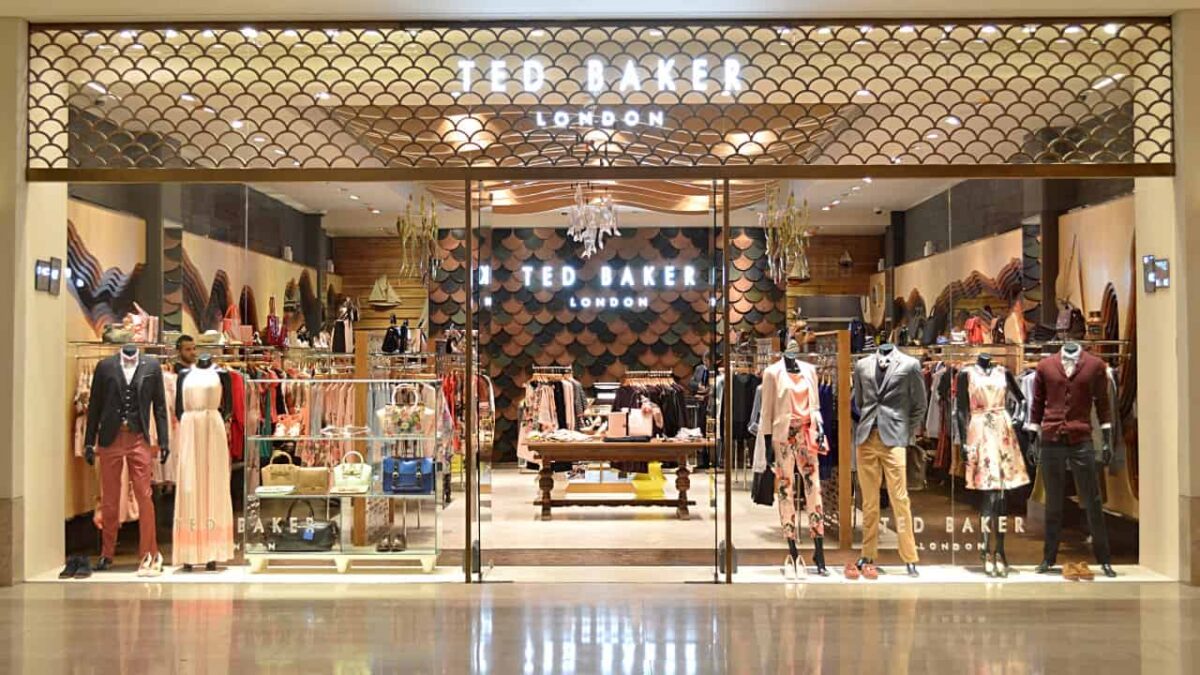
Why is the Ted Baker share price up 10% today?

The Ted Baker (LSE: TED) stock is a seriously big gainer today. It is up 10% as I write on Wednesday afternoon. No prizes for guessing why, though. The beaten down fashion retailer released its trading update for the 12 weeks up to 29 January today. And it is clear that the share price increase is a reaction to that. An increase on a single day, however, does not automatically mean that the rise will be sustained. It could be. But after observing day to day changes in stock prices over the years, I am not holding my breath.

Ted Baker’s sales grow

Still, it is worth figuring out whether the UK stock can finally find a firm footing now. As far as positives go, the company’s sales rose by a healthy 35% during the quarter, compared to the same time last year. It also reported an improvement in trading margins over the the year, which I think might just be the highlight of the report. Also, it was net cash positive at the end of 2021. 

5 Stocks For Trying To Build Wealth After 50

Markets around the world are reeling from the coronavirus pandemic… and with so many great companies trading at what look to be ‘discount-bin’ prices, now could be the time for savvy investors to snap up some potential bargains.

But whether you’re a newbie investor or a seasoned pro, deciding which stocks to add to your shopping list can be a daunting prospect during such unprecedented times.

Fortunately, The Motley Fool UK analyst team have short-listed five companies that they believe STILL boast significant long-term growth prospects despite the global upheaval…

We’re sharing the names in a special FREE investing report that you can download today. And if you’re 50 or over, we believe these stocks could be a great fit for any well-diversified portfolio.

Click here to claim your free copy now!

The company is also showing encouraging on-the-ground trends. Products like bags, footwear, and tops from its new collections are reported to have shown strong sales. It is expanding in the UK as well, expecting to open three new stores each year for the next three years. The company has extended its home and bedding product license to North America. 

What’s the downside to the UK stock?

This could be a positive for the stock going forward, however, I think it is important to look at the downside as well. The Ted Baker share price is still a little below where it was at the same time last year. And it is also still way below its pre-pandemic levels. This was probably to be expected considering that for the last two years, the company has reported both declining revenues and has been loss-making too. Considering that its financial year runs from February to January, its 2020 losses cannot be explained by the coronavirus, which turned into a full-fledged pandemic only by March. In other words, the company’s troubles are more fundamental than that. 

Encouraging signs for the Ted Baker share price

It is encouraging to see that it is now in better financial health. As a consumer, I actually quite like Ted Baker products, and see potential from it purely from that perspective. But it is hard to look away from the fact that it has been struggling in recent years. Still, I think there is room for optimism here. Economic recovery is a good time for cyclical stocks like fashion brands. And considering its premium positioning, like in the case of the FTSE 100 retailer Burberry, consumers are less likely to be concerned with small changes in price.  

What I’d do

So would I buy it? If I were feeling speculative, I would make a small investment in it because if it does manage to pull itself together, the stock could reap me some big gains. At the same time, if I only wanted to exercise caution, I would much rather go for safer stocks like its FTSE 100 peer, Burberry. 

FREE REPORT: Why this £5 stock could be set to surge

Are you on the lookout for UK growth stocks?

If so, get this FREE no-strings report now.

While it’s available: you’ll discover what we think is a top growth stock for the decade ahead.

And the performance of this company really is stunning.

In 2019, it returned £150million to shareholders through buybacks and dividends.

We believe its financial position is about as solid as anything we’ve seen.

  • Since 2016, annual revenues increased 31%
  • In March 2020, one of its senior directors LOADED UP on 25,000 shares – a position worth £90,259
  • Operating cash flow is up 47%. (Even its operating margins are rising every year!)

Quite simply, we believe it’s a fantastic Foolish growth pick.

What’s more, it deserves your attention today.

So please don’t wait another moment.

Get the full details on this £5 stock now – while your report is free.


Manika Premsingh owns Burberry. The Motley Fool UK has recommended Burberry. Views expressed on the companies mentioned in this article are those of the writer and therefore may differ from the official recommendations we make in our subscription services such as Share Advisor, Hidden Winners and Pro. Here at The Motley Fool we believe that considering a diverse range of insights makes us better investors.

How many years of maxing out a stocks and shares ISA might it take to become a millionaire?

How many years of maxing out a stocks and shares ISA might it take to become a millionaire?
Image source: Getty Images.


You may have heard that there are over 2,000 ISA millionaires in the UK. In fact, you are over a million times more likely to become a millionaire through investing in an ISA than you are by playing the lottery. However, it takes more than simply owning an ISA to achieve millionaire status.

To become an ISA millionaire, you need to make the most of your ISA allowance to maximise your tax-free savings every year. So, exactly how many years of maxing out a stocks and shares ISA might it take to become a millionaire?

How much can you deposit in a stocks and shares ISA?

UK citizens are allowed to deposit a maximum of £20,000 per year into a stocks and shares ISA. Any profit made on this deposit will be completely tax-free! You cannot deposit more than £20,000 into your stocks and shares ISA in any one tax year. This is known as your ISA allowance.

As well as this, any portion of your ISA allowance that goes unused does not roll over to the next year. Therefore, failing to make the most of your allowance could mean that you miss out on huge savings opportunities.

You are also only allowed to hold one stocks and shares ISA at any given time. However, you are allowed to hold other types of ISAs along with your stocks and shares ISA, such as a cash ISA or a lifetime ISA.

How many years might it take to become an ISA millionaire?

The length of time it could take to become an ISA millionaire depends largely on your investing habits and the rate of return. For the purpose of this article, we will use the average rate of return based on the FTSE 100 index tracker. However, the annual return on your ISA may be slightly different.

Since its formation, the average return offered by the FTSE 100 has been around 7.75%. However, this can change each year due to market fluctuations. Using an investment calculator, you can work out how long it would take you to save £1 million.

If you deposited £10,000 into a stocks and shares ISA with a return of 7.75% and used your full ISA allowance each year, it would take you 28 years to become an ISA millionaire. Of course, this time frame will be different based on how much you choose to initially invest. If you invest just £1,000, you could potentially be a millionaire in 47 years.

As always, investing in the stock market puts your capital at risk and the return on your investment can never be guaranteed.

What stocks and shares ISA offers the highest returns?

The rate of return offered by a stocks and shares ISA can fluctuate each year. For example, the average stocks and shares ISA returned 13.5% in 2021! However, in 2020 investors lost an average of 13.5% due to the pandemic. Therefore, it is difficult to pinpoint one ISA that outperforms the others.

Instead, you should consider your own priorities when investing your money. In particular, you should take a look at platform fees, stock selection and extra features that different providers may offer. Often, getting the highest returns from your ISA is about more than just market activity.

Why not take a look at our top-rated Stocks and Shares ISAs to get an idea of what different platforms have to offer?

A Foolish final thought

If becoming a millionaire is at the top of your bucket list, then investing in a stocks and shares ISA is a great way to achieve your goal. However, always be aware that the stock market can change at any time. And don’t forget the calculation above is only a rough estimate of how long it could take to save £1 million.

The content in this article is provided for information purposes only. It is not intended to be, nor does it constitute, any form of tax advice. Readers are responsible for carrying out their own due diligence and for obtaining professional advice before making any investment decisions.

Don’t leave it until the last minute: get your ISA sorted now!

stocks and shares isa icon

If you’re looking to invest in shares, ETFs or funds, then opening a Stocks and Shares ISA could be a great choice. Shelter up to £20,000 this tax year from the Taxman, there’s no UK income tax or capital gains to pay any potential profits.

Our Motley Fool experts have reviewed and ranked some of the top Stocks and Shares ISAs available, to help you pick.

Investments involve various risks, and you may get back less than you put in. Tax benefits depend on individual circumstances and tax rules, which could change.

Was this article helpful?

YesNo


Some offers on The Motley Fool UK site are from our partners — it’s how we make money and keep this site going. But does that impact our ratings? Nope. Our commitment is to you. If a product isn’t any good, our rating will reflect that, or we won’t list it at all. Also, while we aim to feature the best products available, we do not review every product on the market. Learn more here. The statements above are The Motley Fool’s alone and have not been provided or endorsed by bank advertisers. John Mackey, CEO of Whole Foods Market, an Amazon subsidiary, is a member of The Motley Fool’s board of directors. The Motley Fool UK has recommended Barclays, Hargreaves Lansdown, HSBC Holdings, Lloyds Banking Group, Mastercard, and Tesco.


Financial News

Daily News on Investing, Personal Finance, Markets, and more!

Financial News

Policy(Required)