The renewable energy stocks I’d buy right now

The rapidly deteriorating geopolitical environment in Eastern Europe is creating a challenge for investors. Hydrocarbon prices have exploded higher as talk of sanctions against Russian oil and gas exports is becoming more widespread.

The impact these higher prices will have on the global economy is impossible to predict. It will raise the cost of doing business for every single enterprise. Governments are planning to get around this issue by investing more in renewable energy.

5 Stocks For Trying To Build Wealth After 50

Markets around the world are reeling from the current situation in Ukraine… and with so many great companies trading at what look to be ‘discount-bin’ prices, now could be the time for savvy investors to snap up some potential bargains.

But whether you’re a newbie investor or a seasoned pro, deciding which stocks to add to your shopping list can be a daunting prospect during such unprecedented times.

Fortunately, The Motley Fool UK analyst team have short-listed five companies that they believe STILL boast significant long-term growth prospects despite the global upheaval…

We’re sharing the names in a special FREE investing report that you can download today. We believe these stocks could be a great fit for any well-diversified portfolio with the goal of building wealth in your 50’s.

Click here to claim your free copy now!

I think this presents a fantastic opportunity for investors. The renewable energy industry was already booming before the crisis. Now it looks as if more money is going to flood the sector. 

Against this backdrop, there are a couple of renewable energy stocks I would buy for my portfolio right now. I think these companies stand to benefit more than most from the current environment. 

Renewable energy stocks to buy

At the top of the list is wind farm owner and operator Greencoat UK Wind. The company is the largest publicly traded wind farm operator in the UK, and it has a growing portfolio of wind assets. Rising energy prices could produce windfall profits for the corporation. This could free up more capital for management to invest in other deals and expand the portfolio further. 

Still, as I noted above, this is a competitive sector. As money floods into the renewable energy industry, Greencoat might find it harder to deploy capital at attractive rates of return. This is something I will be keeping an eye on as we advance. 

Another company I believe will benefit from the current situation is the Gore Street Energy Storage Fund. As the UK energy sector invests more in renewables, it will also require more batteries systems. Battery and energy storage systems meet an essential part of the renewable energy network as they help balance the network during periods of low solar or wind generation. 

Gore Street Energy is one of the best ways to invest in this theme, in my view. It is run by an experienced management team, which is planning a substantial increase in capacity over the next few years. 

One of the main challenges the company may face is competition. Additional regulatory constraints could also impact growth. Even after considering the challenges, I would buy the stock alongside Greencoat in my portfolio. 

Long-term buy 

A highly speculative area of the renewable energy market is hydrogen energy. I would like to have some exposure to this market in my portfolio, even though it is a high-risk investment.

Ceres Power is working with some of the world’s largest industrial companies to licence its hydrogen technology. It is already generating revenues from the sales, and 2022 could be an inflexion year for the group as revenues continue to grow.

Even though it could be years before the company is profitable, I would add this stock to my portfolio as a way to take part in the growth of this budding industry. 

Our 5 Top Shares for the New “Green Industrial Revolution”

It was released in November 2020, and make no mistake:

It’s happening.

The UK Government’s 10-point plan for a new “Green Industrial Revolution.”

PriceWaterhouse Coopers believes this trend will cost £400billion…

…That’s just here in Britain over the next 10 years.

Worldwide, the Green Industrial Revolution could be worth TRILLIONS.

It’s why I’m urging all investors to read this special presentation carefully, and learn how you can uncover the 5 companies that we believe are poised to profit from this gargantuan trend ahead!

Access this special “Green Industrial Revolution” presentation now

Rupert Hargreaves has no position in any of the shares mentioned. The Motley Fool UK has recommended Greencoat UK Wind. Views expressed on the companies mentioned in this article are those of the writer and therefore may differ from the official recommendations we make in our subscription services such as Share Advisor, Hidden Winners and Pro. Here at The Motley Fool we believe that considering a diverse range of insights makes us better investors.


2 unloved penny stocks that are dirt-cheap today

I’m looking for the best bargain penny stocks to buy following recent market volatility. Here are two dirt-cheap UK shares I’d buy to hold for the long haul.

Playing the gold price boom

Many gold-producing stocks have risen strongly as prices of their precious metals have ballooned. Shanta Gold (LSE: SHG) hasn’t recorded strong gains, however. Yet a look at the company’s share price suggests that it remains massively undervalued. Today its shares trade on a forward price-to-earnings (P/E) ratio of 7 times. I think this makes it a brilliant buy.

5 Stocks For Trying To Build Wealth After 50

Markets around the world are reeling from the current situation in Ukraine… and with so many great companies trading at what look to be ‘discount-bin’ prices, now could be the time for savvy investors to snap up some potential bargains.

But whether you’re a newbie investor or a seasoned pro, deciding which stocks to add to your shopping list can be a daunting prospect during such unprecedented times.

Fortunately, The Motley Fool UK analyst team have short-listed five companies that they believe STILL boast significant long-term growth prospects despite the global upheaval…

We’re sharing the names in a special FREE investing report that you can download today. We believe these stocks could be a great fit for any well-diversified portfolio with the goal of building wealth in your 50’s.

Click here to claim your free copy now!

Demand for precious metals is rising spectacularly right now. Latest data from the World Gold Council showed holdings in gold-backed exchange-traded funds (or ETFs) rose 35.3 tonnes (or 1%) in February. The organisation thinks safe-haven demand for bullion could continue climbing too.

It says that “the risk of economic slowdown amid high inflation could complicate monetary policy decisions, further supporting investment demand for gold.” Central banks may have to maintain a landscape ultra-low rates following the Russian invasion of Ukraine. This would help gold prices and by extension Shanta Gold’s revenues.

Intensifying safe-haven demand has today driven gold to its most expensive since summer 2020, above $2,000 per ounce. Yet the tragic events in Eastern Europe aren’t the only reason why gold could keep climbing. Growing Covid-19 cases in China (which have just hit two-year peaks), for example, could also drive the yellow metal northwards.

My main concern for Shanta Gold is the highly-complex nature of its operations. Profits-sapping production problems can be common for miners. And this can have a significant impact on shareholder returns. In my opinion, though, this threat is reflected in the company’s ultra-low share price.

Another unloved penny stock I’d buy

Like Shanta Gold, the Brickability Group (LSE: BRCK) share price also offers terrific value right now. Today the building products manufacturer trades on a forward price-to-earnings growth (PEG) ratio of 0.3. This is well inside the benchmark of 1 and below that suggests a stock could be undervalued.

Brickability’s share price has been edging steadily lower since the end of 2021. And today it’s slumped to its cheapest for almost a year. This to my mind represents a great dip-buying opportunity. I think the rewards of owning this stock outweigh the potential risks that rising interest rates create for the housing market. Higher rates are bad for buyer affordability.

I’m encouraged by a steady stream of positive data showing how strongly UK homes demand continues to grow. Just today Nationwide said that homes prices rose at their fastest rate since 2007 as demand continued to outstrip supply. Average property values have now grown for eight months on the spin, according to the building society.

Britain’s major housebuilders are planning to exploit this fertile trading landscape by building their land banks and upping their production targets. This all bodes well for Brickability and its profits column. This is a penny stock that could thrive over the next decade as the building boom continues.   

Inflation Is Coming: 3 Shares To Try And Hedge Against Rising Prices

Make no mistake… inflation is coming.

Some people are running scared, but there’s one thing we believe we should avoid doing at all costs when inflation hits… and that’s doing nothing.

Money that just sits in the bank can often lose value each and every year. But to savvy savers and investors, where to consider putting their money is the million-dollar question.

That’s why we’ve put together a brand-new special report that uncovers 3 of our top UK and US share ideas to try and best hedge against inflation…

…because no matter what the economy is doing, a savvy investor will want their money working for them, inflation or not!

Best of all, we’re giving this report away completely FREE today!

Simply click here, enter your email address, and we’ll send it to you right away.

Royston Wild has no position in any of the shares mentioned. The Motley Fool UK has no position in any of the shares mentioned. Views expressed on the companies mentioned in this article are those of the writer and therefore may differ from the official recommendations we make in our subscription services such as Share Advisor, Hidden Winners and Pro. Here at The Motley Fool we believe that considering a diverse range of insights makes us better investors.
Average UK rent climbs to more than £1,000! How to secure a cheaper monthly rate

Average UK rent climbs to more than £1,000! How to secure a cheaper monthly rate
Image source: Getty Images


Over the last year, the average UK rent has risen by 8.6% to more than £1,000. The rise is understandably causing many tenants to feel the financial squeeze and limiting options for those trying to secure a property. However, prospective tenants can still find affordable homes if they know where to look. Here’s how to secure a lower rent in the UK.

Which cities have the cheapest rents in the UK?

At the end of last year, Yahoo! revealed the cheapest places to rent a home in the UK. If you’re struggling to meet the demands of rising rent in your area, you may want to consider these options!

Stoke-on-Trent

Tenants living in Stoke-on-Trent pay an average rent of £489.22 per month. That is less than half the average rent across the UK. Furthermore, tenants may be able to bag even lower prices if they opt for one-bed properties that are outside of the city centre.

Bradford

Bradford was found to have the second-lowest average monthly rent. Rent in the city will set you back £537.95 per month. Outside of the city centre, a one-bed apartment in Bradford costs an average of £384.28 per month, which is significantly lower than many other areas of the UK!

Sunderland

Sunderland was ranked third, with an average rent of £568.75 per month. Like the two cities above, rent prices in Sunderland are much lower for properties outside the city centre.

How can you reduce your monthly rent?

For many people, moving to the cheapest cities in the UK won’t be an option due to family or work commitments. Luckily, it is still possible to secure a lower rent, even in the most expensive cities in the UK! Here’s how.

Rent privately

Renting through a private landlord rather than a letting agency often leads to cheaper rental rates. This is because the landlord will not have to factor letting agency fees into the rent they charge.

However, it is important to tread carefully when renting from a private landlord. By choosing this option, you won’t have any protection from a letting agency, which could land you in hot water if you ever run into financial difficulties.

Get a roommate

If you’re renting by yourself, it may be worth sharing a property with others. House sharing is becoming increasingly common with those looking to live in more expensive areas for less. You can find houseshare opportunities on most property search websites or you could team up with friends who are also looking for a place and rent between you.

This way, you will only need to cover a portion of the rent for the property. Depending on the area you chose to live in, this can work out a lot cheaper than renting an entire place for yourself.

Offer a bigger deposit

Every landlord worries about tenants not being able to pay their rent on time. However, you may be able to secure a lower rent if you are able to prove that you are a good tenant by paying a higher deposit. If you can, try to offer a larger deposit and negotiate a lower rent.

This may not work every time, but it is always worth a try! Many landlords are willing to negotiate if you can prove that you are worth it. It may also help if you have a good track record that proves you are reliable and financially secure.

Was this article helpful?

YesNo


Some offers on The Motley Fool UK site are from our partners — it’s how we make money and keep this site going. But does that impact our ratings? Nope. Our commitment is to you. If a product isn’t any good, our rating will reflect that, or we won’t list it at all. Also, while we aim to feature the best products available, we do not review every product on the market. Learn more here. The statements above are The Motley Fool’s alone and have not been provided or endorsed by bank advertisers. John Mackey, CEO of Whole Foods Market, an Amazon subsidiary, is a member of The Motley Fool’s board of directors. The Motley Fool UK has recommended Barclays, Hargreaves Lansdown, HSBC Holdings, Lloyds Banking Group, Mastercard, and Tesco.


How I’d use the Warren Buffett method to retire early

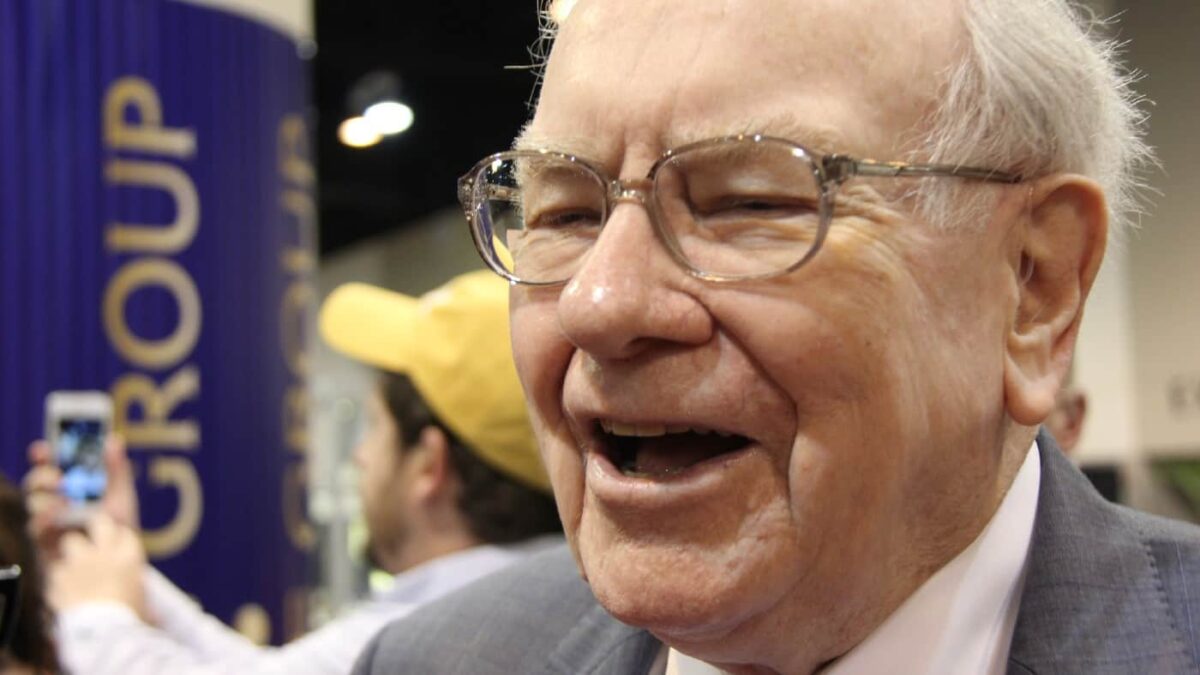
Retiring early does not seem to be a priority for legendary investor Warren Buffett, who continues to work full-time in his nineties. Not everybody wants to be doing that, however. By applying some lessons from Buffett’s method of investing, I think it is possible to grow the value of a retirement portfolio faster, giving one the chance to stop working sooner. Here is how I would do it.

Avoiding avoidable mistakes

Buffett is critical of what he calls “unforced mistakes”. Writing about a $2bn bond purchase in which he personally had miscalculated the probabilities of gain and loss, Buffett described the deal as “a major unforced error”. In other words, while some mistakes are very difficult to spot in advance, others are traps hiding in full sight that a smart investor should be able to avoid.

5 Stocks For Trying To Build Wealth After 50

Markets around the world are reeling from the current situation in Ukraine… and with so many great companies trading at what look to be ‘discount-bin’ prices, now could be the time for savvy investors to snap up some potential bargains.

But whether you’re a newbie investor or a seasoned pro, deciding which stocks to add to your shopping list can be a daunting prospect during such unprecedented times.

Fortunately, The Motley Fool UK analyst team have short-listed five companies that they believe STILL boast significant long-term growth prospects despite the global upheaval…

We’re sharing the names in a special FREE investing report that you can download today. We believe these stocks could be a great fit for any well-diversified portfolio with the goal of building wealth in your 50’s.

Click here to claim your free copy now!

So, while Buffett recognises that forced mistakes happen, he tries to avoid unforced mistakes. I think this makes sense in the context of one of Buffett’s sayings when it comes to investment strategy: “Rule number one: never lose money. Rule number two: never forget rule number one”. Buffett is again emphasising the importance of minimising the impact of avoidable mistakes. Such mistakes can have a huge impact on a retirement portfolio. Imagine that a share I own goes down by 50%. Just to get the value of my investment back to where it started, I then need the share to increase not by 50% but by 100%. Mistakes in choosing shares for the wrong reasons can make it much harder for me to grow the value of my retirement portfolio.

It could be tempting to try and improve the size of my retirement fund more quickly by increasing in very risky shares with high potential returns. But remember Buffett’s first rule is never to lose money. So, buying shares I know are very risky just because they might give me a high return goes completely against the Warren Buffett method.

Warren Buffett on circles of competence

Another thing Buffett emphasises is the importance of investing in a limited number of great opportunities rather than a large number of good ones.

Big opportunities in life have to be seized,” according to Buffett. He goes on to explain, “we don’t do many things, but when we get the chance to do something that’s right and big, we’ve got to do it. To do it on a small scale is just as big of a mistake, almost, as not doing it at all. You’ve got to grab then when they come, because you’re not going to get 500 great opportunities”.

The approach here is very clear: in an investor’s lifetime, the  number of truly great opportunities that he has the competence to assess and that can ‘shift the needle’ on a retirement portfolio are limited. But when one comes along, an investor like Buffett will go into it on a big scale.

Sticking to what one knows

A lot of people would be able to retire sooner if they had not frittered part of their portfolio away by investing in businesses they did not understand. Buffett is emphatic about sticking to his circle of competence and only investing in businesses that he understands. That allows him to assess their future prospects better.

The reason it can be so harmful to one’s retirement savings to invest in companies without understanding them is that there are loads of businesses that will fail or see their share prices fall dramatically in future, including some huge blue chips. This is always true. It can be hard enough to assess businesses even when they fall inside one’s circle of competence. For example, Buffett bought Tesco feeling he understood the retail market, but still made a loss of around half a billion dollars on the stake. If it is possible to make such mistakes in areas one understands well, it can be even costlier investing in something one cannot properly assess. That can lead to more losses, meaning it takes longer for a retirement pot to reach its target size – if it ever gets there at all.

Focus on future value creation not just current price

When Warren Buffett considers what shares to buy and sell, he is looking at how successful he thinks a business can be in future when it comes to generating profits. For example, is its market likely to grow or shrink over time? Does the company have some unique competitive advantage that could stick around, such as the proprietary formula of Coca-Cola or installed user base of Apple? Can the company charge a premium that allows it to maintain high profit margins?

Only once he has identified a company with these desirable business characteristics does Buffett then start looking at its share price. Buffett does not buy a company just because the price looks cheap. Instead, he tries to buy slices of businesses he thinks have great potential, at a price that should allow him to benefit from the shares moving up if the business does well over the long term.

Focussing just on current share prices can lead investors to buy ‘value traps’ – shares that look cheap but in fact will see their prices fall further in future, for example, because some of their earnings will soon dry up. Making such mistakes can lead to losses, meaning one’s retirement portfolio is worth less. Like Buffett, I never buy a share only because of its price. What I am looking for is value – companies with strong business prospects whose shares trade at an attractive price.

Our 5 Top Shares for the New “Green Industrial Revolution”

It was released in November 2020, and make no mistake:

It’s happening.

The UK Government’s 10-point plan for a new “Green Industrial Revolution.”

PriceWaterhouse Coopers believes this trend will cost £400billion…

…That’s just here in Britain over the next 10 years.

Worldwide, the Green Industrial Revolution could be worth TRILLIONS.

It’s why I’m urging all investors to read this special presentation carefully, and learn how you can uncover the 5 companies that we believe are poised to profit from this gargantuan trend ahead!

Access this special “Green Industrial Revolution” presentation now

Christopher Ruane has no position in any of the shares mentioned. The Motley Fool UK has recommended Apple and Tesco. Views expressed on the companies mentioned in this article are those of the writer and therefore may differ from the official recommendations we make in our subscription services such as Share Advisor, Hidden Winners and Pro. Here at The Motley Fool we believe that considering a diverse range of insights makes us better investors.

Stock market crash: 5 lessons from the latest meltdown

In late 2021, I wrote frequently about the growing risks of a stock market crash. As asset prices rose to lofty heights, I worried about future market fragility and volatility. I worried about rising inflation (consumer prices), higher interest rates, and overpriced US stocks. I also fretted about new Covid-19 variants and increased geopolitical risks. On 29 December 2021, I warned that I was “genuinely terrified” about armed conflict between Russia and Ukraine. Today, a major European war involves almost 190m people. Here are five things I’ve noted from this latest market meltdown.

1. The higher the rewards, the greater the risks

After the worldwide stock market crash of spring 2020, share prices soared relentlessly. As profits appeared to be a one-way street, investors took on ever-greater risk. I watched as inexperienced buyers plunged into meme stocks, special purchase acquisition vehicles (SPACs), penny shares, cryptocurrencies, etc. As sanity returns to markets, these fad investors now look like ‘fashion victims’ that were seduced by the latest speculative trends.

5 Stocks For Trying To Build Wealth After 50

Markets around the world are reeling from the current situation in Ukraine… and with so many great companies trading at what look to be ‘discount-bin’ prices, now could be the time for savvy investors to snap up some potential bargains.

But whether you’re a newbie investor or a seasoned pro, deciding which stocks to add to your shopping list can be a daunting prospect during such unprecedented times.

Fortunately, The Motley Fool UK analyst team have short-listed five companies that they believe STILL boast significant long-term growth prospects despite the global upheaval…

We’re sharing the names in a special FREE investing report that you can download today. We believe these stocks could be a great fit for any well-diversified portfolio with the goal of building wealth in your 50’s.

Click here to claim your free copy now!

2. Volatility makes a huge comeback

To lessen the economic damage caused by Covid-19, central banks pumped trillions of dollars of liquidity into financial markets in 2020-21. As this vast wave of money washed over markets, it dramatically pushed up asset prices. Thus, when liquidity is high, volatility tends to be low. Now that central banks are reducing or withdrawing liquidity, volatility has spiked steeply. These unpredictable fluctuations make it much harder to trade today and increase the risks of another stock market crash.

3. Stock market crash: European stocks get a lot cheaper

As we witness the largest European conflict since 1945, it’s clear that investors are nervy about owning European stocks. Since 5 January, the STOXX Europe 600 index has dived by 14.8%. Were it to fall another 5.2 percentage points (to lose 20% of its value), it would be in stock market crash territory. Given current uncertainty, I can easily see this happening in the next few weeks or months. For the record, this index has now gained just 0.9% over the past 12 months. Yikes.

4. Stock market crash: Russian assets are (practically) worthless

As I wrote last Thursday, Russian stocks and bonds have nosedived in value since Russia invaded Ukraine on 24 February. Last Thursday, the London Stock Exchange suspended almost all London-listed Russian stocks from trading. Prices of the remaining shares have collapsed brutally, with falls of 80%+ leaving shareholders reeling. Meanwhile, the Russian stock exchange underwent a severe stock market crash on 24 February, falling as much as 50% before rebounding. What’s more, the Russian bourse has not opened since Friday, 25 February. In effect, this has rendered its constituents effectively worthless to all but the most fearless (local?) buyers.

5. The first cut is the cheapest

What would happen to my wealth if I were cut off from the global financial system, as has happened to many Russian tycoons? I suspect that much of my assets would become nearly worthless overnight. In this scenario, I’d be happy to take any price for whatever assets I could actually sell. As one old City saying about selling impaired assets goes, “the first cut is the cheapest”. In other words, I’d get out while I could — as I warned in this apologetic piece from 25 February.

Finally, though I’m not rushing to buy, we do have a large cash pile waiting to be reinvested into cheap, low-risk shares paying juicy dividends!

Inflation Is Coming: 3 Shares To Try And Hedge Against Rising Prices

Make no mistake… inflation is coming.

Some people are running scared, but there’s one thing we believe we should avoid doing at all costs when inflation hits… and that’s doing nothing.

Money that just sits in the bank can often lose value each and every year. But to savvy savers and investors, where to consider putting their money is the million-dollar question.

That’s why we’ve put together a brand-new special report that uncovers 3 of our top UK and US share ideas to try and best hedge against inflation…

…because no matter what the economy is doing, a savvy investor will want their money working for them, inflation or not!

Best of all, we’re giving this report away completely FREE today!

Simply click here, enter your email address, and we’ll send it to you right away.

Views expressed on the companies mentioned in this article are those of the writer and therefore may differ from the official recommendations we make in our subscription services, such as Share Advisor, Hidden Winners and Pro. Here at The Motley Fool, we believe that considering a diverse range of insights makes us better investors.

What is going on with the Polymetal share price?

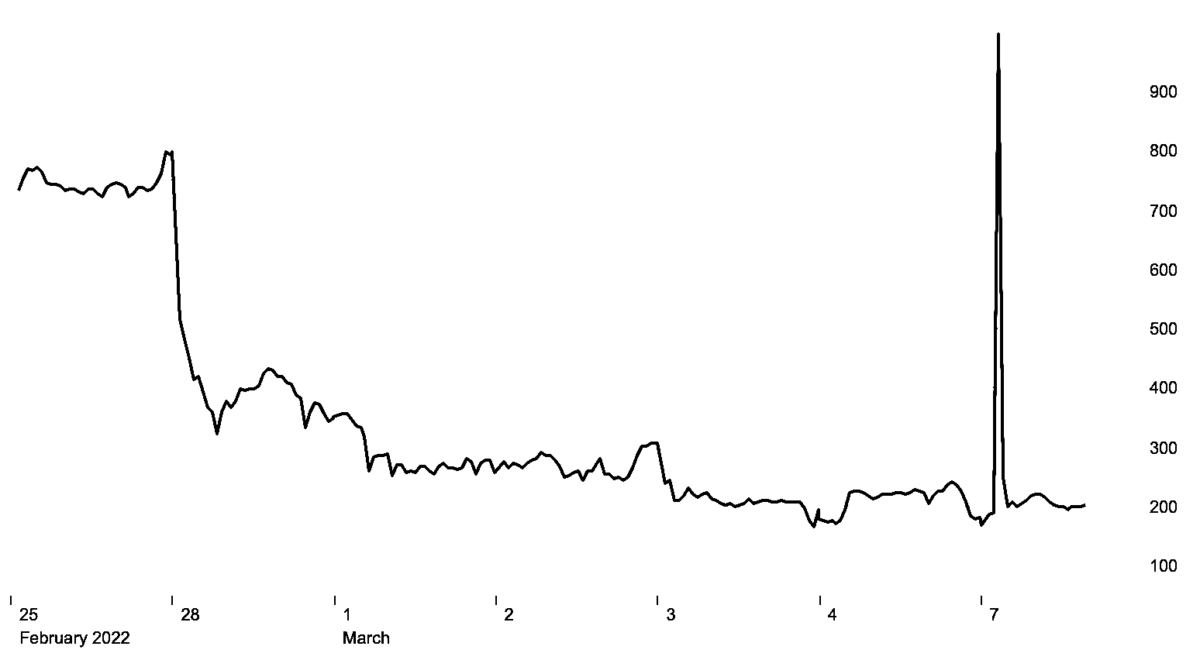
It has been an eventful day for Polymetal (LSE:POLY) and its share price. The Cyprus-based precious metals mining group saw its stock price leap from around 200p to almost 1,400p in early trading on Monday, 7 March 2022. The Polymetal share price had previously slipped from over 1,000p on 23 February 2022 to 170p on 4 March 2022. The price spike might have caused investors in the company — Polymetal has nine gold and silver mines and three in development across Russia and Kazakhstan — to breathe a sigh of relief.

The invasion of Ukraine by Russia and the sanctions placed on the belligerent country explain the drop in the company’s share price. Since the conflict is ongoing, with no concrete signs of resolution, the substantial increase in the Polymetal share price was surprising. It did not last. Almost immediately, stock in Polymetal was trading back around the 200p at which it opened.

5 Stocks For Trying To Build Wealth After 50

Markets around the world are reeling from the current situation in Ukraine… and with so many great companies trading at what look to be ‘discount-bin’ prices, now could be the time for savvy investors to snap up some potential bargains.

But whether you’re a newbie investor or a seasoned pro, deciding which stocks to add to your shopping list can be a daunting prospect during such unprecedented times.

Fortunately, The Motley Fool UK analyst team have short-listed five companies that they believe STILL boast significant long-term growth prospects despite the global upheaval…

We’re sharing the names in a special FREE investing report that you can download today. We believe these stocks could be a great fit for any well-diversified portfolio with the goal of building wealth in your 50’s.

Click here to claim your free copy now!

Why did the Polymetal share price hit 1,400p?

At around 8:41 AM, multiple orders were placed to trade Polymetal shares on the London Stock Exchange. These orders were at 1,400p per share. Further blocks of orders at 412p, 300p, 250p were received soon after. By 9 AM, the market for Polymetal shares was back around 200p, like the price spike had never happened. 

The large Polymetal share price rise early on Monday, 7 March

price chart of the polymetal share price showing the large spike in price on monday 7 march

Source: Financial Times

Early speculation suggested that the 1,400p price was a “fat finger” trade. Someone had made a mistake and entered the wrong price into the market. The follow-up trades at inflated prices could be blamed on algorithms acting on the price momentum. The London Stock Exchange launched an investigation into the aberrant Polymetal trades. It cancelled them just before 11 AM on Monday, 7 March.

It is not unheard of to cancel trades made in error. A notable example was the cancellation of orders in Kraft Foods stock by the NASDAQ in 2012. Kraft’s price spiked by 29% in one minute. The Polymetal share price spike of 700% is more dramatic, but the culprit orders have been closed much in the same way. Indeed, rule numbers 2120 and 3022, which the London Stock Exchanged cited, deal with erroneous trades and enforced cancellations.

Polymetal board changes

At around 10 AM UK time today, Polymetal announced that six board members were stepping down with immediate effect. This move might have been prompted by the trades that were later cancelled as erroneous. But, it is also worth noting that a board member of Evraz, another mining company with Russian focused assets, has also stepped down recently. That would suggest the directors, who are all non-Russian, are leaving in response to pressure from the likes of the Institute of Directors to step down from Russian-owned or Russian-associated companies.

Where does all this leave Polymetal shareholders? Well, the price is back where it was before the “fat finger” trades and well below where it was before the Russian invasion. The price slide has removed Polymetal from the FTSE 100. The company is suffering from repeated distributed denial of service attacks against its website. Sanctions against Russia are hurting Polymetal’s operations and threatening its precious dividend, and might get more onerous. Polymetal has lost six experienced board members, and there is still a threat of the shares being suspended from trading altogether. 

FREE REPORT: Why this £5 stock could be set to surge

Are you on the lookout for UK growth stocks?

If so, get this FREE no-strings report now.

While it’s available: you’ll discover what we think is a top growth stock for the decade ahead.

And the performance of this company really is stunning.

In 2019, it returned £150million to shareholders through buybacks and dividends.

We believe its financial position is about as solid as anything we’ve seen.

  • Since 2016, annual revenues increased 31%
  • In March 2020, one of its senior directors LOADED UP on 25,000 shares – a position worth £90,259
  • Operating cash flow is up 47%. (Even its operating margins are rising every year!)

Quite simply, we believe it’s a fantastic Foolish growth pick.

What’s more, it deserves your attention today.

So please don’t wait another moment.

Get the full details on this £5 stock now – while your report is free.

James J. McCombie owns shares in London Stock Exchange. The Motley Fool UK has no position in any of the shares mentioned. Views expressed on the companies mentioned in this article are those of the writer and therefore may differ from the official recommendations we make in our subscription services such as Share Advisor, Hidden Winners and Pro. Here at The Motley Fool we believe that considering a diverse range of insights makes us better investors.
Gold price soars: here’s why gold could go even higher this week

Gold price soars: here’s why gold could go even higher this week
Image source: Getty Images


The gold price has rocketed in 2022 with investors seemingly moving their money out of stocks and shares and into the precious metal.

So, with the ongoing Ukraine crisis, will gold continue its upward trajectory over the coming weeks? And what could be set to send the gold price soaring even further this week? Let’s take a look.

Calculator icon

Overpaying on broker fees? See if you could save by switching providers – with the help of our broker cost calculator. Start your calculation.

How has gold price performed recently?

Despite a poor 2021, the gold price has soared in 2022. At the turn of the year, gold stood at $1,829 (£1,392) per troy ounce. By 14 February it had risen to an impressive $1,856, before surging at the tail-end of the month.

As of midday on 7 March, one troy ounce of gold now costs $1,986 (£1,512). That’s a rise of 8.5% since the beginning of the year, which is impressive. In the same period the FTSE 100 is down 7.55%, while the FTSE 250 is down by a massive 20.7%.

Why has gold performed well in 2022?

Gold, as well as other precious metals and finite commodities, typically do well during periods of high inflation and economic uncertainty. That’s because such factors often have the potential to devalue currency, which can encourage investors to pile their wealth into gold. 

So while gold rarely delivers enormous returns, it’s seen as a safe way of protecting wealth. In other words, many believe it will always be highly valued given that it is expensive to find and difficult to mine.

Right now, the global economic environment is very uncertain due to the ongoing war in Ukraine. This is partly the reason behind its recent surge in price.

Will the gold price continue to soar?

We know that the majority of countries around the world have imposed sanctions on Russia following its decision to invade Ukraine. However, while global economic sanctions will harm the Russian economy, they will also have a knock-on impact on other countries, including those imposing the sanctions.

That’s because sanctions will undoubtedly lead to higher prices for everyday goods, including wheat and oil, which the West imports in vast quantities from Russia. This all comes at a time when the cost of living crisis is already biting in the UK right now.

Before the war started, we already knew that UK consumers will face higher energy prices from April. Meanwhile, the planned 1.25% increase in National Insurance will go ahead during the same month, adding hundreds of pounds to the average worker’s tax bill.

This all has the potential to add further pressure to the UK’s growing inflation rate, which currently sits at 5.5%. This is well above the UK government’s annual 2% target.

As a result, investors are likely to become increasingly concerned, which means that the gold price is likely to continue heading upwards.

What one thing could send the gold price soaring this week?

While inflation is bad in the UK right now, things are officially worse in the United States. According to the latest American Consumer Price Index, inflation has climbed to 7.5%. While the UK won’t release its inflation figures for another two weeks, the US Bureau of Labor Statistics will reveal its latest inflation figures on Thursday 10 March. 

Should the US agency reveal a figure above 7.5%, then pressure will be piled on the US Federal Reserve to increase interest rates. Investors are unlikely to welcome this given that any such move will make it more expensive for businesses to borrow. This can stifle growth and negatively impact share prices.

In other words, if inflation in the US is revealed to be growing on Thursday, then expectations of an interest rate rise will also grow, which will undoubtedly see some investors turn to gold. This has the potential to send the gold price soaring. 

While the US doesn’t directly control the gold price, of course, the sentiment of American investors often has a huge impact on the wider global economy. Interestingly, the US holds 8,000 metric tons of gold, which is officially the largest reserve in the world.

How can you invest in gold?

If you want to invest in gold, you can buy the physical commodity through a bullion company.

Alternatively, you can buy a gold exchange-traded commodity (ETC). You won’t own physical gold if you choose this route. Instead, your investment will track the price of gold.

You can invest in a gold ETC through a normal share dealing account. A Gold ETC can also be held within a stocks and shares ISA.

Don’t leave it until the last minute: get your ISA sorted now!

stocks and shares isa icon

If you’re looking to invest in shares, ETFs or funds, then opening a Stocks and Shares ISA could be a great choice. Shelter up to £20,000 this tax year from the Taxman, there’s no UK income tax or capital gains to pay any potential profits.

Our Motley Fool experts have reviewed and ranked some of the top Stocks and Shares ISAs available, to help you pick.

Investments involve various risks, and you may get back less than you put in. Tax benefits depend on individual circumstances and tax rules, which could change.

Was this article helpful?

YesNo


Some offers on The Motley Fool UK site are from our partners — it’s how we make money and keep this site going. But does that impact our ratings? Nope. Our commitment is to you. If a product isn’t any good, our rating will reflect that, or we won’t list it at all. Also, while we aim to feature the best products available, we do not review every product on the market. Learn more here. The statements above are The Motley Fool’s alone and have not been provided or endorsed by bank advertisers. John Mackey, CEO of Whole Foods Market, an Amazon subsidiary, is a member of The Motley Fool’s board of directors. The Motley Fool UK has recommended Barclays, Hargreaves Lansdown, HSBC Holdings, Lloyds Banking Group, Mastercard, and Tesco.


2 cheap shares to buy now

With stock prices jumping around a lot at the moment, some shares are trading at a lower price than they were just a few weeks ago. I have been looking for cheap shares to buy now for my portfolio. When doing that, I have been focussing on companies I think have attractive long-term business prospects and whose shares seem like good value to me. Here are two I would consider buying today for my portfolio.

Unilever

The consumer goods maker Unilever (LSE: ULVR) is a global giant, with weekly sales of a billion euros last year. The company’s stable of instantly recognisable brands such as Domestos and Hellmann’s helped the company to a €6.6bn profit after tax.

5 Stocks For Trying To Build Wealth After 50

Markets around the world are reeling from the current situation in Ukraine… and with so many great companies trading at what look to be ‘discount-bin’ prices, now could be the time for savvy investors to snap up some potential bargains.

But whether you’re a newbie investor or a seasoned pro, deciding which stocks to add to your shopping list can be a daunting prospect during such unprecedented times.

Fortunately, The Motley Fool UK analyst team have short-listed five companies that they believe STILL boast significant long-term growth prospects despite the global upheaval…

We’re sharing the names in a special FREE investing report that you can download today. We believe these stocks could be a great fit for any well-diversified portfolio with the goal of building wealth in your 50’s.

Click here to claim your free copy now!

Over the past 12 months, though, the Unilever share price has fallen 12%. That partly reflects challenges facing the company that I think are still risks to the share price. For example, rampant cost inflation means the company needs to push up its prices if it wants to maintain its profit margins. But that could lead to some customers buying cheaper alternatives, hurting Unilever’s revenues.

From a long-term perspective, though, I expect the strong cash generation properties of the company’s portfolio of brands to support share price recovery. Meanwhile, the company’s dividend at the current share price stands at an attractive 4.4%. I think the company’s broad footprint and wide portfolio of premium brands can help it weather economic storms fairly well. I would be happy to hold the shares in the coming years and see the beaten down share price as a buying opportunity for my portfolio.

Cranswick

After falling 6% in the past year, I have been having another look at meat producer Cranswick (LSE: CWK) as a possible addition to my portfolio.

Meat might not sound like an exciting high-growth industry. In some countries, meat consumption is becoming less popular. But Cranswick has honed a business that benefits from high meat demand in some very large markets. The company has raised its dividend annually for over three decades, with last year’s payout going up 16%. Currently, the shares offer a yield of 2.2%.

I reckon a number of drivers could help the business keep growing in the coming years. While meat consumption may decline in some countries, other markets will likely see demand increase as their growing economies lift average household purchasing power. There is also a mismatch between demand and supply for pork, made worse by factors such as labour shortages in parts of Europe that keep abattoirs from operating at full capacity. That could help support pork prices in years to come.

Cranswick remains a growth story – revenues increased 14% last year – and the price-to-earnings ratio is now 17. I see that as attractive and would consider buying this “pork folio” for my own portfolio.

Cheap shares to buy now

Whatever happens next in stock markets, I see these two companies as having strong businesses with ongoing prospects. Dividends are never guaranteed, but both companies have been reliable dividend payers.

At their current prices, I see them as cheap shares to buy now for my portfolio and hold for the long term.

FREE REPORT: Why this £5 stock could be set to surge

Are you on the lookout for UK growth stocks?

If so, get this FREE no-strings report now.

While it’s available: you’ll discover what we think is a top growth stock for the decade ahead.

And the performance of this company really is stunning.

In 2019, it returned £150million to shareholders through buybacks and dividends.

We believe its financial position is about as solid as anything we’ve seen.

  • Since 2016, annual revenues increased 31%
  • In March 2020, one of its senior directors LOADED UP on 25,000 shares – a position worth £90,259
  • Operating cash flow is up 47%. (Even its operating margins are rising every year!)

Quite simply, we believe it’s a fantastic Foolish growth pick.

What’s more, it deserves your attention today.

So please don’t wait another moment.

Get the full details on this £5 stock now – while your report is free.


Christopher Ruane owns shares in Unilever. The Motley Fool UK has recommended Unilever. Views expressed on the companies mentioned in this article are those of the writer and therefore may differ from the official recommendations we make in our subscription services such as Share Advisor, Hidden Winners and Pro. Here at The Motley Fool we believe that considering a diverse range of insights makes us better investors.

2 cheap, crashing penny stocks to buy right now!

Extreme market volatility means that lots of top-quality stocks are trading at rock-bottom prices. I myself have identified lots of great penny stocks now that are dealing on really low earnings multiples.

The full economic consequences of the tragic events in Ukraine will take some time to become apparent. And so the impact of the conflict on UK shares is difficult to accurately ascertain. But here are two top penny stocks whose recent share price falls could make them too cheap to miss.

5 Stocks For Trying To Build Wealth After 50

Markets around the world are reeling from the current situation in Ukraine… and with so many great companies trading at what look to be ‘discount-bin’ prices, now could be the time for savvy investors to snap up some potential bargains.

But whether you’re a newbie investor or a seasoned pro, deciding which stocks to add to your shopping list can be a daunting prospect during such unprecedented times.

Fortunately, The Motley Fool UK analyst team have short-listed five companies that they believe STILL boast significant long-term growth prospects despite the global upheaval…

We’re sharing the names in a special FREE investing report that you can download today. We believe these stocks could be a great fit for any well-diversified portfolio with the goal of building wealth in your 50’s.

Click here to claim your free copy now!

Taking a close look

It’s quite possible that Lookers (LSE: LOOK) will find the going tough as the cost-of-living crisis worsens. Sellers of big-ticket items like cars are particularly vulnerable to falling consumer spending power, of course. So the company’s share price has slumped recently and it now trades on a forward price-to-earnings (P/E) ratio of 7.7 times.

I believe that this recent weakness represents a great dip buying opportunity. Sales of electric vehicles in the UK continue to rise strongly as concerns over the climate crisis intensify and people switch their old polluting vehicles for greener alternatives. That’s in spite of consumer price inflation currently rising at its fastest rate for three decades. Sales of battery-powered vehicles leapt almost 200% year-on-year in February, latest data shows.

Lookers sells vehicles across more than 30 brands, giving it solid exposure to the electric car revolution. And I think sales of its low-emissions vehicles could receive a further boost from soaring petrol and diesel prices. Average unleaded prices have just hit fresh record highs of 155p per share. They look set to keep climbing too as the war in Eastern Europe hits oil supplies, boosting demand for electric vehicles still further.

A tasty penny stock

When consumer spending comes under pressure, brand power is worth its weight in gold. This is why I think Premier Foods (LSE: PFD) could be one of the best penny stocks to buy today. The food manufacturer owns brands like Mr Kipling Cakes, Bisto gravy, and Homepride cooking sauces. Shoppers stay loyal to these decades-old brands even when economic conditions worsen.

The Premier Foods share price has plummeted, though, following the awful events in Ukraine. This is in large part due to fears of rising ingredients costs and what this could do to margins. For example, wheat — a critical ingredient in Premier Foods’ cakes — has soared to record highs in recent days. And they could of course keep climbing. Russia and Ukraine collectively account for more than 25% of global wheat exports.

Still, Premier Foods’ mega-popular brands should leave it better placed than most food producers to pass these increased costs on to its customers. I think this is something that recent heavy share price falls don’t reflect. Today Premier Foods changes hands on a forward P/E ratio of just 8.9 times. This looks like a bargain in my book.

FREE REPORT: Why this £5 stock could be set to surge

Are you on the lookout for UK growth stocks?

If so, get this FREE no-strings report now.

While it’s available: you’ll discover what we think is a top growth stock for the decade ahead.

And the performance of this company really is stunning.

In 2019, it returned £150million to shareholders through buybacks and dividends.

We believe its financial position is about as solid as anything we’ve seen.

  • Since 2016, annual revenues increased 31%
  • In March 2020, one of its senior directors LOADED UP on 25,000 shares – a position worth £90,259
  • Operating cash flow is up 47%. (Even its operating margins are rising every year!)

Quite simply, we believe it’s a fantastic Foolish growth pick.

What’s more, it deserves your attention today.

So please don’t wait another moment.

Get the full details on this £5 stock now – while your report is free.


Royston Wild has no position in any of the shares mentioned. The Motley Fool UK has no position in any of the shares mentioned. Views expressed on the companies mentioned in this article are those of the writer and therefore may differ from the official recommendations we make in our subscription services such as Share Advisor, Hidden Winners and Pro. Here at The Motley Fool we believe that considering a diverse range of insights makes us better investors.

Amid tumbling stocks, here are the shares most bought by UK investors last week

Amid tumbling stocks, here are the shares most bought by UK investors last week
Image source: Getty Images


The UK stock markets tumbled last week, with the FTSE 100 shredding almost 500 points by Friday. This tells us that investors are becoming increasingly concerned about the ongoing crisis in Ukraine. 

So, following the recent stock market slump, how have UK investors been reacting? Let’s take a look at the list of the most-bought shares last week.

Calculator icon

Overpaying on broker fees? See if you could save by switching providers – with the help of our broker cost calculator. Start your calculation.

What shares have UK investors been buying recently?

According to the share purchases among Hargreaves Lansdown clients, UK investors put their faith in mining companies, banks and oil last week.

Here’s the full list of the ten most-bought shares based on the number of deals:

Company Sector % of trades
Evraz Mining 5.61
Polymetal International plc Mining 4.33
Rolls Royce Holdings plc Aerospace 3.62
Lloyds Banking Group plc Banking 2.91
International Consolidated Airlines Group Airline 1.68
ITV plc  Media 1.67
BP plc  Oil and gas 1.56
Eurasia Mining plc Mining 1.54
easyJet plc Airline 1.5
Barclays plc Banking 1.35

Most bought shares: the top three

As the table above shows, two mining companies proved a popular bet among UK investors last week. Let’s take a closer look at the top three.

1. Evraz plc

Evraz plc was the most popular share to buy among UK investors last week. The British mining company, with sizeable interests in both Ukraine and Russia, saw its share price plummet by a whopping 58%. On Monday 28 February, one Evraz share cost 144.75p. By Friday its price had dropped to 60p.

However, investors who piled in to buy Evraz shares towards the end of last week will probably feel vindicated. That’s because Evraz’s share price soared by 46% when markets opened on Monday. At the time of writing on Monday 7 March, one Evraz share cost 87.58p.

2. Polymetal International plc

The second most popular stock to buy last week was Polymetal International Plc.

Polymetal is described as an ‘Anglo-Russian’ precious metals mining company and is registered in Jersey. Last week, its share price went from 351p to 169p as the fighting in Ukraine intensified and the West announced further sanctions on Russia. This represents a fall of 51.85%.

Yet, in a similar fashion to Evraz, Polymetal’s price had recovered somewhat by 7 March. At the time of writing, Polymetal’s share price was up 19%, standing at 204p.

3. Rolls Royce Holdings plc

The third most popular stock among UK investors last week was Rolls Royce Holdings plc. The company is a well-known manufacturer for aviation and other industries.

The company often features on Hargreaves Lansdown’s list of most-bought shares. Last week, the company’s share price dropped from 103.5p to 90.23p, which is a fall of 12.8%. Since the turn of the year, the Rolls Royce share price is down a massive 31.15%.

As a result, many investors who have recently piled in to buy its shares will be hoping its price will soon recover to previous highs.

What shares have UK investors been selling recently?

Now we’ve looked at the most popular shares to buy, let’s take a look at what stocks UK investors have been selling over the past week.

Company Sector % of trades
BP plc  Oil and gas 2.32
Evraz plc Mining 2.14
Polymetal International plc Mining 2.06
Shell plc  Oil and gas 1.77
Lloyds Banking Group plc Banking 1.69
BAE Systems plc Aerospace 1.52
Scottish Mortgage Investment Trust plc  Mortgage trust 1.26
Rolls Royce Holdings plc Aerospace 1.25
Eurasia Mining plc Mining 1.08
International Consolidated Airlines Group SA Airline 0.98

What can we learn from the data?

Taking a look at the most-bought shares can tell us which companies UK investors believe are perhaps undervalued. Interestingly, a number of companies on last week’s most-bought list have experienced big falls over the past few days. This tells us that many investors will be looking to profit from any sudden share price recoveries.

Other investors may be looking for bargains, but with a longer-term approach in mind. In other words, these investors will hope that prices of some companies will begin to nudge upwards if and when the war in Ukraine begins to de-escalate.

While it can be interesting to study the mindset of investors, it’s always worth keeping in mind that past share price movements should never be used to indicate future performance. If you want to invest, then always do your own research and understand that shares prices can both rise and fall.

Are you looking to invest? Take a look at The Motley Fool’s top-rated share dealing accounts. If you’re a beginner investor, it’s also worth taking a look at the investing basics to get you started.

Don’t leave it until the last minute: get your ISA sorted now!

stocks and shares isa icon

If you’re looking to invest in shares, ETFs or funds, then opening a Stocks and Shares ISA could be a great choice. Shelter up to £20,000 this tax year from the Taxman, there’s no UK income tax or capital gains to pay any potential profits.

Our Motley Fool experts have reviewed and ranked some of the top Stocks and Shares ISAs available, to help you pick.

Investments involve various risks, and you may get back less than you put in. Tax benefits depend on individual circumstances and tax rules, which could change.

Was this article helpful?

YesNo


Some offers on The Motley Fool UK site are from our partners — it’s how we make money and keep this site going. But does that impact our ratings? Nope. Our commitment is to you. If a product isn’t any good, our rating will reflect that, or we won’t list it at all. Also, while we aim to feature the best products available, we do not review every product on the market. Learn more here. The statements above are The Motley Fool’s alone and have not been provided or endorsed by bank advertisers. John Mackey, CEO of Whole Foods Market, an Amazon subsidiary, is a member of The Motley Fool’s board of directors. The Motley Fool UK has recommended Barclays, Hargreaves Lansdown, HSBC Holdings, Lloyds Banking Group, Mastercard, and Tesco.


Financial News

Daily News on Investing, Personal Finance, Markets, and more!

Financial News

Policy(Required)