1 top stock I’d buy and 1 I’d avoid with Omicron risks ahead

When news about the Omicron variant first broke a couple of weeks back, the FTSE 100 opened down 3% on the day. It was clear that the market was shaken in the immediate term. Now we’re getting more information about the variant, but things are still uncertain. Even with the risks ahead, not all stocks might perform badly. Here’s one top stock I’m considering buying, and one that I’d stay away from.

Getting exposure to gold

The top stock that I think could do well if Covid-19 worries stay over the winter is Polymetal International (LSE:POLY). Given that the share price is down 22% over the past year, this might be surprising. However, I’m looking at the stock from the exposure it has to gold.

5 Stocks For Trying To Build Wealth After 50

Markets around the world are reeling from the coronavirus pandemic… and with so many great companies trading at what look to be ‘discount-bin’ prices, now could be the time for savvy investors to snap up some potential bargains.

But whether you’re a newbie investor or a seasoned pro, deciding which stocks to add to your shopping list can be a daunting prospect during such unprecedented times.

Fortunately, The Motley Fool UK analyst team have short-listed five companies that they believe STILL boast significant long-term growth prospects despite the global upheaval…

We’re sharing the names in a special FREE investing report that you can download today. And if you’re 50 or over, we believe these stocks could be a great fit for any well-diversified portfolio.

Click here to claim your free copy now!

Polymetal is a top-10 global gold producer, with mines in Russia and Kazakhstan. Therefore, some of the share price movement is correlated to what happens to the gold price. After all, if the price of gold rallies 10%, then the asset mined by Polymetal will achieve a higher selling price. This acts to boost revenues.

Over the past year, the gold price is down 3.44%, acting as a drag for Polymetal. Yet if we see Omicron risks increase, I think the gold price should rally as investors look for a safe haven. As a result, this should help to uplift Polymetal shares. 

A risk here is that if the variant becomes very serious, mines could be closed, restricting any work potential. Also, Polymetal is a global company that transports and operates in countries around the world. Travel and supply chain disruption could hinder the business.

Are airlines top stocks right now?

A company that I wouldn’t refer to as a top stock right now is International Consolidated Airlines Group (LSE:IAG). The share price is down 11% over the past year, although this doesn’t tell the full story. Over two years, a drop of 61% has been seen, as the full hit of the pandemic from the start of 2021 is noted.

I wrote about the stock last week, flagging the fall in the short term due to concerns around Omicron. During the week commencing 22 November, it was the worst performing stock in the FTSE 100 index. This was when the news first gathered pace about the variant.

I think that if Omicron risks remain (or increase) then IAG shares could come under further pressure. The slippery slope is that governments are imposing travel restrictions at the moment. This generates lower demand for air travel. Thus, airlines under the IAG umbrella will likely have lower flying hours. Ultimately, this should translate to lower revenue.

I could be wrong, and IAG shares might find a bottom soon. Having been beaten up over the past two years, there’s logically a point where the share price can’t fall any lower, given that it’s not bankrupt. So buying it an a cheap level could offer high rewards in the future.

Overall, concerns around the stock market doesn’t mean there aren’t top stocks that could still do well. I’m considering buying shares in Polymetal, but steering clear of IAG.

5 Stocks For Trying To Build Wealth After 50

Markets around the world are reeling from the coronavirus pandemic…

And with so many great companies still trading at what look to be ‘discount-bin’ prices, now could be the time for savvy investors to snap up some potential bargains.

But whether you’re a newbie investor or a seasoned pro, deciding which stocks to add to your shopping list can be a daunting prospect during such unprecedented times.

Fortunately, The Motley Fool is here to help: our UK Chief Investment Officer and his analyst team have short-listed five companies that they believe STILL boast significant long-term growth prospects despite the global lock-down…

You see, here at The Motley Fool we don’t believe “over-trading” is the right path to financial freedom in retirement; instead, we advocate buying and holding (for AT LEAST three to five years) 15 or more quality companies, with shareholder-focused management teams at the helm.

That’s why we’re sharing the names of all five of these companies in a special investing report that you can download today for FREE. If you’re 50 or over, we believe these stocks could be a great fit for any well-diversified portfolio, and that you can consider building a position in all five right away.

Click here to claim your free copy of this special investing report now!


Jon Smith and The Motley Fool UK have no position in any of the shares mentioned. Views expressed on the companies mentioned in this article are those of the writer and therefore may differ from the official recommendations we make in our subscription services such as Share Advisor, Hidden Winners and Pro. Here at The Motley Fool we believe that considering a diverse range of insights makes us better investors.


How Much to Tip Just About Everyone

Deciding how much to tip depends on what kind of service provider you’re working with and how well they do their job. But if you’re looking for a general rule for services in the U.S., you should typically tip 15% to 20% of the bill, according to most etiquette experts we interviewed.

How to tip in general

A 20% tip is generous and requires straightforward math. To calculate a 20% tip, first identify 10%, then double that amount. So, if the total cost of your service was $90.00, find 10% by moving the decimal one spot to the left, which leaves you with $9. Then double that $9 to find your 20% tip: $18.

Read on for the mechanics of how to tip, or jump to the list of how much to tip various professionals.

When tipping, try to give cash if you can. Leave it at your table for a dining service, or hand it directly to the service provider with a “thank you.”

You could also be prompted to tip a certain amount with the credit or debit card you’re using to pay for your service. You may see a line for gratuity at the bottom of your bill, for example. Or you could see electronic prompts to tip, typically through the service provider’s app or at the point of payment.

How much to tip various service providers

Before we get into how much you should tip, let’s start with why gratuity matters — particularly nowadays. Many people in the service industry have struggled financially and are “getting back on their feet,” says Diane Gottsman, founder of The Protocol School of Texas.

She points out that many of these workers are risking their health during the pandemic to serve, often with fewer hours and a larger workload. Given these circumstances, Gottsman says, “do the gracious thing” and leave a tip if you can.

Food and drink servers

Servers. For servers in sit-down restaurants, aim for at least 15% to 20% pretax. If you’re able to tip more than 20%, do so for servers who went “above and beyond,” says Elaine Swann, founder of The Swann School of Protocol, based in Carlsbad, California.

For example, she says, tip more for servers who accommodated a very large party of diners, gave several wine and food recommendations, or accommodated the needs of small children.

Food preparers and baristas. If you’re simply picking up an order from a restaurant, gratuity isn’t necessary but a kind gesture, Gottsman says. Shoot for 10% to 15%, if you can spare it. Same goes for baristas.

Bartenders. Consider a dollar or two per drink, or 15% to 20% of the tab, recommends The Emily Post Institute, a fifth generation family business that gives etiquette guidance.

Drivers

Food and grocery delivery drivers. Gottsman suggests leaving a tip of at least 15%.

Rideshare drivers. Aim for 15% to 20% gratuity, says Patricia Rossi, a business etiquette coach based in the Tampa Bay, Florida, area. Tip extra to drivers who give helpful advice, she says, such as local spots to explore or avoid. Sparkling clean cars with extra touches — think water bottles and phone chargers — warrant an extra dollar or two. Rossi also recommends giving your driver a high rating for a positive experience.

Spa and salon professionals

Beauticians and cosmetologists. Plan to tip 15% to 20% for services related to your hair or skin, says Crystal L. Bailey, director of The Etiquette Institute of Washington, which is in D.C. Those services could include haircuts and styling, makeup application, eyelash extensions, waxes and manicures and pedicures. (Learn more about how much to tip a hairdresser.)

If you can, Bailey recommends leaning toward 20% for these professionals, given how close they must get to your face during the pandemic.

Massage therapists. Rossi says tipping 15% to 20% is usually appropriate. However, where you get your massage may determine how much gratuity (if any) is expected, says Taelour Wagler, a licensed massage therapist and owner of The Middle Wellness Center in Grand Junction, Colorado. Tipping is customary at businesses described as spas or resorts, she says, but not at chiropractic clinics or physical therapy offices.

If you’re unsure of tipping etiquette, Wagler suggests simply asking the massage therapist what’s appropriate. Or, explore our guide to how much to tip a massage therapist.

Travel assistants

Skycaps, bellhops and door attendants. If you anticipate that someone will carry your luggage, get cash ahead of time — ideally in small bills. Give about $2 per bag handled by a bellhop at a hotel, Bailey says. As for skycaps at an airport, The Emily Post Institute suggests $2 for the first bag and $1 per additional bag.

Give $1 to $4 to door attendants for carrying luggage, and $1 to $2 for hailing you a cab, The Emily Post Institute recommends.

Hotel housekeeper. Aim for about $4 or $5 per night, Rossi suggests.

Concierge. Tip a concierge if they made you dinner reservations, booked you a tour or otherwise went out of their way to enhance your trip. Rossi recommends giving $5 to $30 “or more if they went way above and beyond.” For example, perhaps they somehow secured you sold-out concert tickets.

Track your spending categories

See what you’ve spent across your accounts, upcoming bills, and how much you’re on track to save.

Questions about how much to tip

What if you’re unsure whether you’re supposed to tip?

Say someone helps you, but you don’t know if tipping is appropriate. “Always err on the side of yes,” Gottsman says.

Still feel weird about it? “When in doubt, ask,” she adds. Pose something along the lines of: “I appreciate your help and would like to tip you — does your company allow you to accept tips?”

What if you can’t afford to tip?

Experts’ opinions vary on what to do if your finances won’t allow you to tip. Swann says that restaurant servers are the only professionals for whom tipping is a “staple” in the United States.

For other kinds of services, she says it’s OK to pay only the base price if you must.

But most experts urge you to plan for that tip. “Put yourself in a position where you can budget an extra 20%,” says Pamela Capalad, a New York-based certified financial planner.

So, if you’re planning on getting an $80 massage, make sure you feel comfortable stashing aside an additional $16 for a 20% tip.

If the idea of shelling out $96 total doesn’t work for you, consider rethinking your plans. “Be honest about what it costs,” says Delia Fernandez, a Los Alamitos, California-based CFP. “If you can’t afford it, maybe you shouldn’t be doing it, or not doing it as often.”

What if you’re unhappy with the service?

Say your experience was unpleasant. Consider discussing your dissatisfaction — calmly and privately — with the person you worked with or their manager.

If possible, “look for an opportunity to resolve it,” Swann says. For example, if your new hair color is far from what you expected, perhaps you could request that it be adjusted for free at another appointment.

As far as tipping, most experts say it’s OK to tip below 15%. But try to give at least some grace (and gratuity).

ARTICLE SOURCES

1 FTSE 100 stock that could outperform in 2022

The biggest FTSE 100 gainer in yesterday’s trading was property developer Berkeley Group Holdings (LSE: BKG), whose share price rose by almost 5%. I have to admit, I have not talked about the company in a while, because others in the segment looked so much more promising. But yesterday’s increase had me sit up and take notice. 

Berkeley Group Holdings posts good results

So I dug deeper. The increase followed a good set of results. For the six months ending 31 October 2021, the company reported a 36% increase in revenue compared to the same six months in 2020. Its earnings showed strong growth too. Pre-tax profits were up by 26%, while earnings per share (EPS) rose by almost 35%. Even though the company’s revenues have not grown consistently, on a sequential basis, its net profits have risen every six months for the last year and a half, which is pretty impressive to me.

5 Stocks For Trying To Build Wealth After 50

Markets around the world are reeling from the coronavirus pandemic… and with so many great companies trading at what look to be ‘discount-bin’ prices, now could be the time for savvy investors to snap up some potential bargains.

But whether you’re a newbie investor or a seasoned pro, deciding which stocks to add to your shopping list can be a daunting prospect during such unprecedented times.

Fortunately, The Motley Fool UK analyst team have short-listed five companies that they believe STILL boast significant long-term growth prospects despite the global upheaval…

We’re sharing the names in a special FREE investing report that you can download today. And if you’re 50 or over, we believe these stocks could be a great fit for any well-diversified portfolio.

Click here to claim your free copy now!

And its future looks good too. Berkeley Group has increased its earnings guidance for the next three years! It also says that by then its volumes will have increased by 50% from pre-pandemic levels. I think this could continue to add to its share price, which is still some 13% below its pre-pandemic levels. In the past year as well, the stock has made limited gains of only 9% or so. Of course the gains can vary from day to day, based on where the markets were at a year ago. And in this case, there has been a particularly high degree of fluctuation in stock price. Hopefully, though, it could stabilise a bit more now. 

Higher expected dividend yield for the FTSE 100 stock

The company could also pay better dividends now. So far its dividend yield has been negligible at 0.2%. This in turn could increase the attractiveness of the stock, which has so far been relatively limited. 

What is holding it back?

I reckon that one reason why Berkeley Group’s share price was not going anywhere recently, despite its good results, was its price-to-earnings (P/E) ratio of around 12 times. Now, this is not high. In fact, it is much lower than the current FTSE 100 P/E of 17.5 times. But, it is comparable to other big property developers.

For instance, Barratt Developments and Persimmon each have a P/E of 11.5 times. At the same time, their share price movements have been far more predicable. They rose during the pandemic in 2020 on account of stimulus measures for the housing market. And they have been less certain in 2021 as supportive policies are rolled back and the recovery still remains relatively muted. And both stocks also have much better dividend yields, notably Persimmon, which is at 8.2%. In other words, they seem to have more going for them than Berkeley Group. 

However, I think the clarity of outlook for the company is noteworthy for me. And I reckon it was so for other investors too, which is why its share price rose so much yesterday. 

What I’d do

Based on this and a potential improvement in its dividend yield in the coming months, I think this stock could outperform its peers, if not other FTSE 100 shares in 2022. I am keeping a close watch on further developments. It could just be among the stocks I buy early next year. 

Is this little-known company the next ‘Monster’ IPO?

Right now, this ‘screaming BUY’ stock is trading at a steep discount from its IPO price, but it looks like the sky is the limit in the years ahead.

Because this North American company is the clear leader in its field which is estimated to be worth US$261 BILLION by 2025.

The Motley Fool UK analyst team has just published a comprehensive report that shows you exactly why we believe it has so much upside potential.

But I warn you, you’ll need to act quickly, given how fast this ‘Monster IPO’ is already moving.

Click here to see how you can get a copy of this report for yourself today


Manika Premsingh has no position in any of the shares mentioned. The Motley Fool UK has no position in any of the shares mentioned. Views expressed on the companies mentioned in this article are those of the writer and therefore may differ from the official recommendations we make in our subscription services such as Share Advisor, Hidden Winners and Pro. Here at The Motley Fool we believe that considering a diverse range of insights makes us better investors.
: Nearly 1 in 3 gig workers now say it’s their main source of income

Employers in the U.S. are looking to fill a near-record 11 million hourly and salaried jobs, yet many workers are sticking with gig work.

Nearly one-third of gig workers (31%) — which includes people who drive for Uber
UBER,
-1.92%

or Lyft
LYFT,
-1.82%
,
deliver food for Doordash
DASH,
-1.35%

or rent their home via Airbnb
ABNB,
-2.08%

— said that gig work has been their main job over the past year. The remaining share considers gig work a side job.

That’s according to a nationally-representative survey of more than 1,300 U.S. adults who earned money from gig work during August 2020 to August 2021 published this week by Pew Research Center.

Whether or not they consider it a main job or a side job, the majority of gig workers over the past year worked gigs less than 10 hours a week. Still, 36% said that in the past year, they clocked 10 to 30 hours (29% of those surveyed) or more than 30 hours (8%) doing these jobs, including waiting for assignments, in a typical week.

Gig workers had federal support during the COVID-19 public-health crisis: During the early days of the pandemic, gig workers, who normally wouldn’t qualify for unemployment, were able to collect them through a special pandemic stimulus program. (That ended in early September, but some states terminated these benefits months before then to encourage more workers to apply to jobs.)

Cuts both ways

Using gig work as a main source of income cuts both ways. On the one hand, gig workers may value the flexibility it provides. But on the other hand, they could be missing out on potentially higher-paying jobs.

Many employers currently are in a bidding war against one another for new talent, where the “prize” goes to the employer willing to offer not only higher wages, but also better working conditions and benefits.

Since the depths of the pandemic, there’s been a steady climb in the number of job postings across all wages levels on Indeed. But in recent months, job postings that pay below $15 an hour have slowed compared to ones that pay more. That may suggest that — at least some — workers can afford to be more choosy.

Locked into gig work

“While proponents praise the gig economy for its flexibility and fueling a sense of entrepreneurship, others have been openly critical about the lack of benefits and job security that can be associated with these jobs,” Pew said.

“This struggle has played out across the country with advocates, lawmakers and gig companies debating the legal status of gig workers. Many of these discussions have centered around one particular type of gig job: ride hailing.”

Pew’s findings were consistent with prior research suggesting that it’s hard to give up gig work once people have made investments in their side hustle. It could be an investment in professional relationships that are difficult to give up, or something as simple as a vehicle for Uber or Lyft drivers.

“Drivers are invested in cars they bought on credit or leased long-term,” according to Michael Reich, an economist and co-chair of the Center on Wage and Employment Dynamics at the Institute for Research on Labor and Employment at UC Berkeley. “These drivers are locked into working in the industry, even if better opportunities arise elsewhere,” Reich told MarketWatch.

That said, with regular gas costing more than $3 a gallon on average, or $1 more per gallon compared to last year according to data from AAA, more Uber and Lyft drivers may be looking for different work as a result, Reich added.

But Alix Anfang, an Uber spokesperson, said that “there are now more drivers on Uber in the U.S. than at any point during the pandemic, which has meaningfully improved pricing and reliability for riders.” A Lyft spokesman said the platform “added thousands of drivers” as vaccines were rolled out. These drivers are “earning significantly more than they were pre-pandemic.”

: ‘Views around race and racism appear to be extremely entrenched’ — here’s how they’ve changed over the pandemic

More than a year ago, clear majorities of Americans said people of color were enduring the worst of the pandemic’s threats to health and wealth.

Now that feeling is fading away, a new poll says, even as gauges like job numbers continue to suggest the economy’s rebound is not going as well for Black and Latino communities versus their white counterparts.

Just over half (53%) of poll participants agreed people of color were bearing the pandemic’s health brunt and, similarly, half of people agreed minorities were shouldering the financial brunt, according to a RAND Corporation and Robert Wood Johnson Foundation survey released Thursday.

Compare that to July 2020, just a few months into the pandemic and soon after George Floyd’s killing was caught by a bystander’s smartphone. Back then, a far higher percentage of people (61%) said people of color faced more of the pandemic’s health impacts. Meanwhile, 57.5% of people said people of color were enduring more of the financial impact.

(Perhaps unsurprisingly, Black and Latino poll participants were more likely to spot COVID-19’s uneven financial and health impacts compared to white participants.)

People of color face higher unemployment

Compare those survey numbers against Bureau of Labor Statistics job report tallies. From July 2020 to September 2021, Black unemployment dropped from 14.4% to 7.9%, and came to 6.7% last month. For Latino workers, the jobless rate declined from 12.7% to 6.3% in September and came to 5.2% in November.

The current jobless rates for Black and Latino workers are lower than the final pre-pandemic numbers in March 2020, when it was 6.8% for Black workers and 6% for Latino workers. But that’s still higher than the white jobless rate.

Between July 2020 and September 2021, the white unemployment rate dropped from 9.2% to 4.2%. It reached 3.7% in November, which is slightly lower than the March 2020 rate.

“We conducted this survey because we wanted to see whether living through a once-in-a-century global pandemic would spur a shift in deep-seated perspectives and attitudes around health, systemic racism, and equity,” said Anita Chandra, vice president and senior policy researcher at RAND Corporation.

‘We wanted to see whether living through a once-in-a-century global pandemic would spur a shift in deep-seated perspectives and attitudes around health, systemic racism, and equity.’


— Anita Chandra, vice president and senior policy researcher at RAND Corporation

“We found that views around race and racism appear to be extremely entrenched,” she said, adding that laws and initiatives tackling inequities need to “factor in where the public is and what needs to happen for these sentiments to evolve.”

Participants in the fourth and final installment of the RAND Corporation-Robert Wood Johnson Foundation poll said barriers like low income and difficult access to health care in rural communities mattered more than a person’s race. That was a steady attitude throughout.

Nearly two-thirds (63.8%) in September 2021 said low incomes made it harder to have access to healthcare. That’s pretty close to the 65% who felt the same way in July 2020.

In the most recent survey, less than half of people (44.4%) thought Black households had harder challenges accessing health care than white households. That’s essentially unchanged from July 2020, when researchers first asked the question.

Changing views on racial inequality

The view on racial inequity is dimming, but 68% of poll participants still regarded the pandemic as a chance for positive change. That’s a drop from nearly three quarters in July 2020.

Immediately in the wake of George Floyd’s murder, racial inequities were “at the forefront of people’s mind,” said Katherine Carman, a senior economist at RAND Corporation and one of the research poll’s authors. “As we move away from that, it moves away from the forefront of people’s minds,” Carman said.

“It’s really important that people understand inequities that are faced by people of color, particularly Black and Latino people in America, because if we, as a society, don’t understand those inequities, it’s hard for us to create policies to address inequities,” she noted.

Floyd’s murder sparked global demonstrations and corporate denunciations of racial inequality. Now, tracking the billions that companies pledged to address racial divides is “almost impossible to know,” some observers say. Donations tied to social justice soared in June 2020, the month after Floyd’s murder, but then plunged by December 2020, according to one donation platform.

In a different lens, the march to equity has slowed. In 2019, people of color comprised 16.6% of the executive workforce at America’s largest investment firms and in 2020, the figure increased to 17.6%, according to a Congressional report released this week.

Former Minnesota police officer Derek Chauvin, who is white, was sentenced in June to 22 ½ years for the murder of Floyd, who was Black. Chauvin is appealing the case. In another closely-watched case, three white men were convicted last month of murdering Ahmaud Arbery, a Black man.

The survey was taken months ahead of the late November emergence of the omicron variant, but it shows broad support for America to send more COVID-19 vaccines abroad. Around 63% said they supported the country sending out extra vaccine doses to countries in need.

Here are 10 US stocks investors are betting against right now

Image source: Getty Images.


Not every stock is going to be popular, but there are certain stocks that will be much more unpopular than others at any given time.

Right now, there are certain US equities that are out of favour with investors. This lack of popularity can be reflected in how many people are shorting a company. Read on to find out exactly what short selling means and the shares investors are betting against at the moment.

What does it mean to short sell stocks?

Short selling investments is a slightly complex process. But the main point you need to know is that it is a way of betting against a stock. Short sellers borrow a security and sell it, hoping to buy it back later for less money. So, if you believe a share price is going to go down, short selling it would mean making money if it loses value.

However, this way of investing is a dangerous game. Because although you make money if the stock drops, you lose money if it goes up. When buying shares, the most you can lose is 100% of your initial investment. But because stocks can rise by more than 100%, your potential downside is unlimited if you short sell.

Nevertheless, this strategy of betting against certain shares does give us some good insight into what stocks are out of favour.

What are the 10 most shorted US stocks right now?

According to data from MarketWatch, these are the ten stocks seeing the most short-selling action in America at the moment:

Position Company Shares shorted
1 Cortexyme (CRTX) 58.59%
2 AerSale (ASLE) 41.20%
3 Pioneer Power Solutions (PPSI) 40.92%
4 Blink Charging (BLNK) 36.65%
5 Beyond Meat (BYND) 36.18%
6 Intercept Pharmaceuticals (ICPT) 34.54%
7 Big 5 Sporting Goods (BGFV) 33.91%
8 Bit Digital (BTBT) 33.54%
9 Lemonade (LMND) 33.32%
10 Beam Global (BEEM) 32.91%

Does this mean these stocks are bad investments?

Not necessarily. Sometimes short selling can create a bit of a self-fulfilling prophecy. When investors see a stock is being short sold, they may lose confidence and decide to sell their investment. Others may simply choose not to buy shares in that company if they don’t already own any.

Usually, there’s a reason people short-sell and bet against companies. But often, it’s more of a short-term play. The immediate future of a business may be bleak, but that doesn’t mean the firm won’t recover and perform well further down the road.

How should investors use this information?

It’s interesting to see which stocks are out of favour right now. However, this unpopularity can sometimes provide great opportunities to buy shares in companies that may have lots of room to grow.

If a stock is heavily shorted, it’s not a death sentence for the firm. So you may be able to find some absolute bargains in these areas that have been overlooked by impatient investors. When picking up investments this way, it’s always worth using a stocks and shares ISA account to make sure you don’t pay any tax on large gains.

Just remember that whether you pick popular or unpopular investments, gains are never guaranteed. You may get out less than you put in, so always research carefully. If you need some extra help with understanding the markets, make sure you check out our complete guide to share dealing.

Was this article helpful?

YesNo


Some offers on The Motley Fool UK site are from our partners — it’s how we make money and keep this site going. But does that impact our ratings? Nope. Our commitment is to you. If a product isn’t any good, our rating will reflect that, or we won’t list it at all. Also, while we aim to feature the best products available, we do not review every product on the market. Learn more here. The statements above are The Motley Fool’s alone and have not been provided or endorsed by bank advertisers. John Mackey, CEO of Whole Foods Market, an Amazon subsidiary, is a member of The Motley Fool’s board of directors. The Motley Fool UK has recommended Barclays, Hargreaves Lansdown, HSBC Holdings, Lloyds Banking Group, Mastercard, and Tesco.


: Gensler wants SEC to consider new rules to rein in SPACs

U.S. federal regulators may be on track to enact strict new rules governing the use of blank-check companies to bring private companies public, an increasingly popular strategy that critics say can enrich insiders at the expense of retail investors.

“Currently I believe the investing public may not be getting like protections between traditional IPOS and SPACs,” Securities and Exchange Commission Chairman Gary Gensler said during a speech at the Healthy Markets Association Conference Thursday.

Special Purpose Acquisition Companies, or SPACs, are a kind of shell company, which raise investor funds that are later used to merge with a private company in order to transform it into a public entity.

Digital World Acquisition Corp.
DWAC,
-8.09%
,
the SPAC company planning to take former President Donald Trump’s new social media company public, disclosed this week that federal regulators have requested information about trading activity and communications around its plans to merge with Trump Media & Technology Group.

Gensler said that he wants SEC staff to investigate whether the SPAC structure gives informational advantages to sponsors and other inside investors that enable them to take advantage of retail investors.

A SPAC typically goes public at $10 per share, after which it has two years to use those funds to find a private company to acquire. After the acquisition is announced, investors can decide to get their $10 per share back, or remain in the investment. The SPAC sponsors usually also secure institutional investments to help cover the cost of the acquisition if initial investors back out.

“Due to the various moving parts and SPAC’s two-step structure, I believe these vehicles may have additional conflicts inherent to their structure,” Gensler said, adding that he has asked SEC staff to propose rules that would “reduce the potential for such information asymmetries, conflicts, and fraud.”

Gensler said he was concerned that the institutional investors that provide private investment in public equity, or PIPE loans, following the announcement of a target, may be acquiring inside information and the opportunity to buy shares at a discounted price based on that information.

He also expressed concern that investors aren’t properly being made aware that their investments can be severely diluted by perks awarded to SPAC sponsors and institutional investors during the process, and worried that sponsors could be engaged in deceptive marketing practices when promoting these investments.

“Functionally, the SPAC target IPO is akin to a traditional IPO,” Gensler said. “Thus, investors deserve the protections they receive from traditional IPOs, with respect to information asymmetries, fraud, and conflicts, and when it comes to disclosure, marketing practices, and gatekeepers.”

Aviva shares are up over 20% in 12 months! Here’s what I’m doing now

The Aviva (LSE:AV) share price has risen over the past 12 months. At current levels, would Aviva shares be a good addition to my portfolio? Let’s take a closer look at why the shares are on the up and if I should add some to my holdings.

Aviva shares rising

Aviva is the UK’s largest insurance firm and serves over 15.5m customers. Insurance is a staple for consumers and businesses alike and shouldn’t be affected even in times of economic uncertainty.

5 Stocks For Trying To Build Wealth After 50

Markets around the world are reeling from the coronavirus pandemic… and with so many great companies trading at what look to be ‘discount-bin’ prices, now could be the time for savvy investors to snap up some potential bargains.

But whether you’re a newbie investor or a seasoned pro, deciding which stocks to add to your shopping list can be a daunting prospect during such unprecedented times.

Fortunately, The Motley Fool UK analyst team have short-listed five companies that they believe STILL boast significant long-term growth prospects despite the global upheaval…

We’re sharing the names in a special FREE investing report that you can download today. And if you’re 50 or over, we believe these stocks could be a great fit for any well-diversified portfolio.

Click here to claim your free copy now!

As I write, Aviva shares are trading for 394p, whereas a year ago shares were trading for 323p. This is a 21% return over a 12-month period. It is worth noting that at current levels the share price is almost identical to pre-crash levels.

I believe the share price has been rising due to positive trading, as well as the effects of a new strategy to streamline operations and more emphasis on rewarding investors.

The bull case

Aviva announced last year that it was to undergo a transformation whereby it would look to offload certain businesses within the group. This would allow it to focus on core territories such as the UK, Canada, and Ireland. It has been working hard to successfully do this and in the past two months alone has confirmed sale of its Italian and Polish businesses. The reasoning behind this was to offload businesses that perhaps weren’t yielding the best performance and profitability. If this strategy pays off, the core territories mentioned should yield more profit, which could lead to better investor returns.

In addition to this, Aviva also confirmed it will use the proceeds from the sale of its businesses to pay down debt, invest in core territories operations but perhaps more tellingly, reward shareholders. It committed to return £4bn to investors by the end of 2022, which included a share buyback scheme. This will have definitely boosted Aviva shares recently.

Performance has been positive recently too. A Q3 update released last month made for good reading. Aviva reported good progress in all its divisions, but Savings and Retirements and General Insurance had risen most compared to the same period last year, which stood out to me. Growth and efficiency targets were on track for its full-year guidance. Of the £750m share buyback scheme mentioned, £450m has been completed by this point, which was confirmed in the report. 

Risks and my verdict

Aviva’s current transformation is complex. Selling businesses as well as rewarding investors with proceeds and paying down debt is easier said than done. Any negative news could affect performance and payouts. Furthermore, current macroeconomic issues such as rising inflation and currency headwinds linked to the pandemic and Brexit could affect this strategy as well as performance and payouts. 

Overall I like Aviva shares for my portfolio and would happily buy the shares at current levels. Aviva has a clear strategy in place to streamline operations and is committed to rewarding investors. It currently has a dividend yield of close to 4% which would make me a nice passive income. This is higher than the FTSE 100 average of 3%. At current levels, the Aviva share price looks like a bargain too.

FREE REPORT: Why this £5 stock could be set to surge

Are you on the lookout for UK growth stocks?

If so, get this FREE no-strings report now.

While it’s available: you’ll discover what we think is a top growth stock for the decade ahead.

And the performance of this company really is stunning.

In 2019, it returned £150million to shareholders through buybacks and dividends.

We believe its financial position is about as solid as anything we’ve seen.

  • Since 2016, annual revenues increased 31%
  • In March 2020, one of its senior directors LOADED UP on 25,000 shares – a position worth £90,259
  • Operating cash flow is up 47%. (Even its operating margins are rising every year!)

Quite simply, we believe it’s a fantastic Foolish growth pick.

What’s more, it deserves your attention today.

So please don’t wait another moment.

Get the full details on this £5 stock now – while your report is free.


Jabran Khan has no position in any of the shares mentioned. Views expressed on the companies mentioned in this article are those of the writer and therefore may differ from the official recommendations we make in our subscription services such as Share Advisor, Hidden Winners and Pro. Here at The Motley Fool we believe that considering a diverse range of insights makes us better investors.
The Guide to Open-Jaw Flights With Chase Points

Whether to take a river cruise through Europe or go on a one-way road trip, sometimes you want to book flights that aren’t just a simple round trip. However, especially when traveling internationally, one-way flights can be much more expensive than round-trip flights.

Chase points collectors, particularly, can avoid the upcharge of booking one-way flights. Since many airlines let you book two one-way flights together to form an “open-jaw” itinerary for around the same price as a round trip, and Chase points are transferrable to a variety of airlines, affordable options abound.

When to book an open-jaw itinerary

Say you want to take a river cruise starting in Budapest, Hungary and ending near Munich, Germany. Rather than backtracking to Budapest to fly home, you could save time by flying into Budapest to start your trip and flying back home from Munich. This type of multi-destination trip is called an “open-jaw” itinerary.

You might assume you need to book two one-way flights — one to Budapest and one back from Munich. But booking that way is likely much more expensive than a simple round-trip flight.

Instead, many airlines let you book these trips as a “multi-city” booking where you reserve two (or more) one-way flights together on one ticket. Instead of paying the more expensive one-way costs of booking separate tickets, airlines generally group the destinations together and price the ticket similarly to a round-trip ticket. Effectively, you’ll pay half the round-trip price of each route, before taxes and fees.

Transferring Chase points to partners vs. booking through the Ultimate Rewards® travel portal

One of the great benefits of earning Chase Ultimate Rewards® points is the variety of redemption options. When it comes to booking flights, you have two primary choices:

  1. Transferring points to airline partners for an award booking.

  2. Buying fares through the Chase Ultimate Rewards® travel portal.

Generally speaking, transferring points to airline partners is a straightforward process. Booking travel through the Ultimate Rewards® portal, on the other hand, may require the additional step of calling a Chase phone agent (depending on the number of legs of your flight itinerary).

If you’re splurging for business or first class, transferring your points to an airline loyalty program will generally require fewer Chase points. But if the cash price for your flights is affordable, booking economy fares through the Chase Ultimate Rewards® travel portal often makes more sense.

How to book by transferring points to an airline partner

If you find a stellar deal on an airline that’s a Chase transfer partner, it’s often wise to book through the airline itself rather than through the Chase portal.

Find your flight

First, check the list of Chase transfer partners and determine which ones might offer the cheapest rates to your destination. Our airline partner booking tool should be able to help with that.

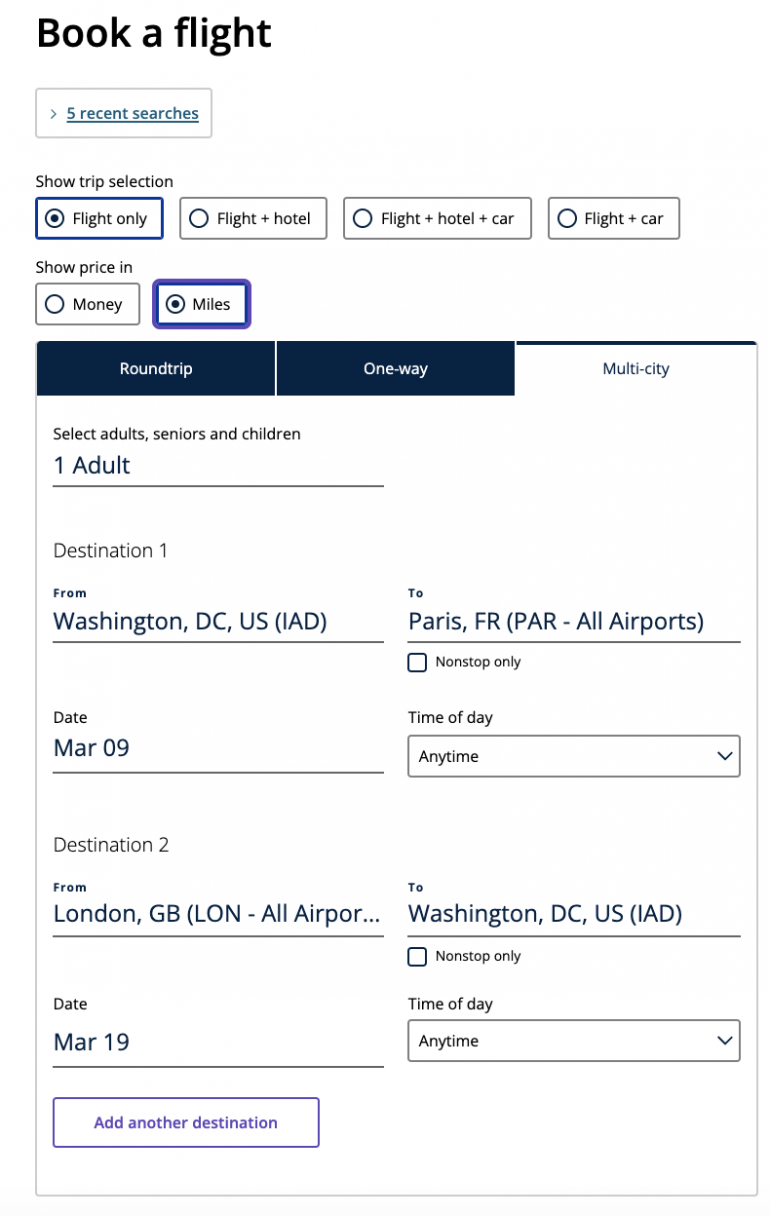
Let’s say you’ve picked United Airlines to go to Europe. You’ll want to use the advanced search feature in the lower left-hand corner of the United homepage to find open-jaw routes.

Then, select the box that indicates you want flight prices to be displayed in miles. Choose the “multi-city” tab to input your departure and arrival locations for your open-jaw itinerary.

You’ll be able to select each flight separately. Find out how many miles it’ll cost for both flights; then, transfer those miles from your Chase Ultimate Rewards® account to United so you can book your trip.

Ways to maximize savings when booking with Chase partners

Score potential savings on taxes and fees

When booking with airline miles, the mileage price will typically be the same whether you book a round trip or two one-way flights. However, the taxes and fees may be lower when you book an open-jaw itinerary than they would be for two one-way flights — especially when traveling to Europe.

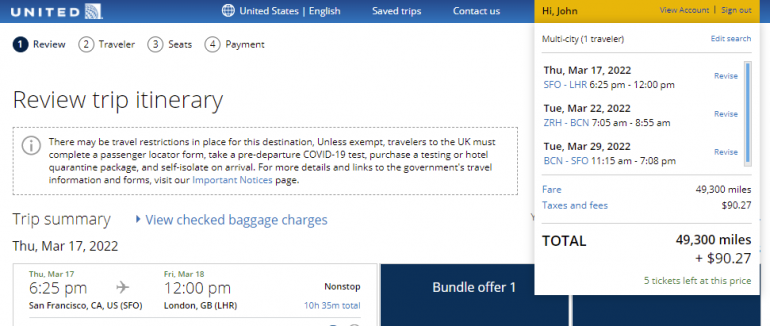
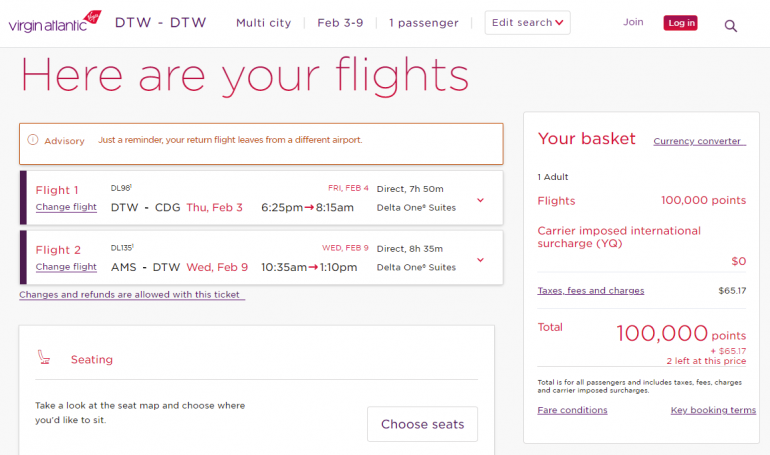
For example, here’s a flight from Detroit to Paris, with a return flight from Amsterdam to Detroit, booked through Virgin Flying Club — a transfer partner of Chase Ultimate Rewards®. When booked together as an open-jaw, your seat in Delta One business class will cost 100,000 Virgin points, plus $65.17 in taxes and fees.

If you book these two flight separately, it’ll still cost you 100,000 Virgin points total (50,000 each way), but it’ll cost you about $300 in taxes and fees. Grouping the flights into a single open-jaw itinerary saves you about $235.

Find free one-way flights on multi-city itineraries

There are other benefits of booking multiple award flights together in the same booking. For example, when booking qualifying awards through United MileagePlus, you can score a free one-way flight through United’s Excursionist Perk. You can use this perk to really hop around Europe.

How to book in the Chase Ultimate Rewards® travel portal with points or cash

Instead of transferring Chase Ultimate Rewards® points to an airline and booking your flight there, you can redeem points within the Chase travel portal itself.

Find your flight

Unfortunately, finding eligible, affordable open-jaw tickets can be a bit tricky when booking through the Chase travel portal. Before checking the Chase travel portal, we recommend using an online flight search tool like Google Flights to see what options are available for your selected dates and destinations. Enter your preferences, and Google Flights will automatically find the cheapest open-jaw itinerary.

Nerdy tip: To get the best rates, search for open-jaw flights operated by the same airline or its partners in both directions.

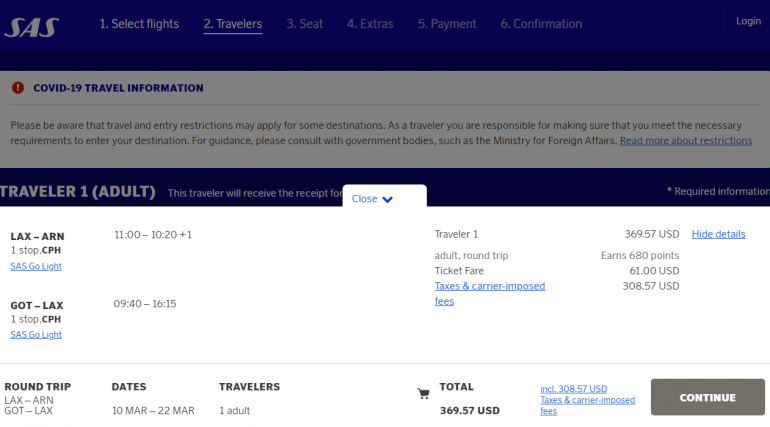
For example, on SAS you can currently book an open-jaw itinerary from Los Angeles to Stockholm, Sweden with a return flight from Gothenburg, Sweden for $370 round trip.

However, if you want to book a return flight from Prague instead, SAS doesn’t have any availability. In that case, you’d want to book through Delta, Air France or KLM.

Don’t worry, you won’t need to cross-check every airline out there to find the best option. Look closer at the options recommended by Google Flights, make your selection, and then prepare for booking in the Chase travel portal.

Book your flight

Open the portal. From there, you’ll see three booking options: Round-trip, one-way or multi-city. If you want to book three flights for your open-jaw itinerary, you can proceed and book through the portal. If you only need two flights, however, you’ll need to call Chase at 866-951-6592 to book — regardless of whether you’re paying with points or cash.

Thankfully, you should have no issues getting hold of an agent. Chase travel advisors are available 24 hours a day, seven days a week. Advise the agent that you want to use or earn Chase Ultimate Rewards® points, and provide your dates and routes. Make sure that the price jibes with what you found through Google Flights or another flight search engine before agreeing to book.

If you want to book an open-jaw flight using Chase points …

You have options when booking flights with Chase points. You can transfer points to Chase’s airline transfer partners, redeem points to book through the Ultimate Rewards® travel portal, or book airfares with cash in the portal.

Booking a two-leg open-jaw itinerary isn’t currently possible on the Chase Ultimate Rewards® travel portal. However, you can call to book these itineraries over the phone. Just make sure to price out the trip through another online source before calling. That way, you’ll have an idea of how much the open-jaw flights should cost — and whether you should transfer your points to airlines to book award flights instead.

How to maximize your rewards

You want a travel credit card that prioritizes what’s important to you. Here are our picks for the best travel credit cards of 2021, including those best for:

How to Get Free Flights (Or Close to It)

You may have seen or heard it. At the workplace water cooler, the holiday dinner table and just about every place else you go, proud travel hackers are boasting about scoring free flights to far-off destinations.

Ready to get in on the action? Here’s everything you need to know about how to get free flights, starting with a caveat: “Free flights” aren’t usually free. You often pay at least $5.60 each way for Transportation Security Administration fees on your ticket. For certain international flights, you’ll also be on the hook for fuel surcharges, which can sometimes cost around $200 each way for economy class and more than $700 each way in business class.

Now that you know award travel means “mostly” free, here are the most reliable ways to get free flights.

5 ways to get free flights

With time, strategic spending and the right credit cards, you’ll be well on your way to flying at deep discounts.

1. Earn miles or points by flying your preferred airline

Sign up for an airline loyalty program (joining is free). Every time you fly the airline, you will earn miles or points that can be redeemed for free flights.

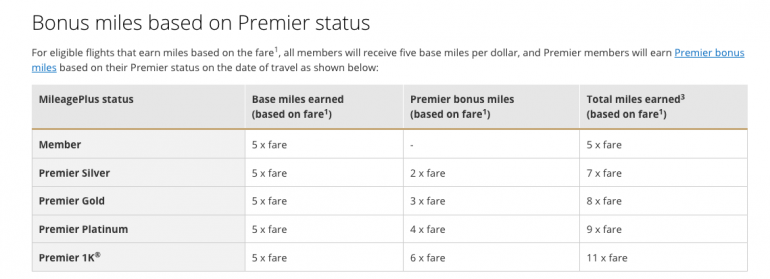
The number of miles you earn varies by airline. Most award you miles based on the cash price of your ticket. For example, United Airlines’ MileagePlus program members earn 5 MileagePlus miles per dollar spent on qualifying tickets. Premier members of the program get bonus miles on top of that.

Other airlines, such as Hawaiian Airlines, award miles based on how far you fly. A 2,397-mile flight from San Francisco to Honolulu, for example, puts 2,397 HawaiianMiles in your loyalty program account.

You can also earn miles with your preferred airline by flying on one of its partners. For example, if you fly JetBlue, you can use your HawaiianMiles member number when booking to earn miles on Hawaiian. Or, book a flight to Paris on Air France, use your Delta Air Lines SkyMiles number when booking and you’ll earn Delta miles for your trip. Determine which airlines partner with your preferred carrier to see all your options for earning miles.

So how many miles do you need to rack up before you have enough for a free flight? That depends on the airline miles you collect, where you’re going and when. Search your preferred airline’s website for sample award bookings for your travel dates and other dates to see how award prices can vary.

Nerdy tip: To give you an idea of how far your miles can take you, NerdWallet keeps a regularly updated chart showing the estimated cash value of each mile or point from some major airline loyalty programs.

2. Earn miles making everyday purchases with an airline credit card

Airlines partner with financial institutions to offer airline credit cards that award your spending with miles or points deposited directly into your loyalty program account. You can earn enough points or miles for an award flight without ever buying a plane ticket with one of these credit cards.

For example:

  • Prefer dining out? Lots of cards will up your rewards when you make charges at restaurants. If you’re a more frequent United flyer, the United℠ Explorer Card also offers 2 United miles per dollar on dining purchases, including eligible delivery services.

  • With the Delta SkyMiles® Gold American Express Card, you can earn bonus miles for both cooking at home and eating out. You’ll earn 2 SkyMiles per dollar on restaurant purchases and at U.S. supermarkets. Terms apply.

Before you sign up for a card, think about where you spend most of your money. Then compare credit card annual fees, and find one that fits your budget and has valuable benefits.

3. Earn thousands of miles as a credit card welcome bonus

The fastest way to get enough miles for a free flight is to snag a credit card “welcome bonus.” These offers typically include a big stack of points or miles, often in the tens of thousands. You earn this welcome bonus when you sign up as a new cardmember then hit a spending minimum in a set period — usually the first three months after opening.

For example, the Alaska Airlines Visa Signature® credit card is offering this welcome bonus: Get 40,000 bonus miles plus Alaska’s Famous Companion Fare™ from $121 ($99 fare plus taxes and fees from $22) with this offer. To qualify, make purchases of $2,000 or more within the first 90 days of opening your account.

4. Earn flexible points using a non-airline credit card

Chase, American Express, Capital One, Citi and other financial institutions offer travel credit cards that pay points. You can redeem points for flights on the issuer’s travel booking site or, for some of these programs, convert your points into your favorite airline’s miles. Others allow you to redeem them for a statement credit to compensate for the cost of a flight or hotel.

For example, the Bank of America® Travel Rewards credit card earns you 1.5 points per dollar. You can use those points to book a free flight in Bank of America’s travel booking portal, or you can purchase a flight using the credit card, then apply your points for a statement credit to offset the purchase.

These flexible rewards cards give you a more comprehensive selection of airlines to choose from. But they don’t offer some perks, like free checked bags or bonus miles for buying same-brand flights with an airline’s co-branded card.

Nerdy tip: Airline-branded cards work best for travelers who favor a single airline, while broader travel rewards cards are better for those who aren’t loyal to one brand.

5. Earn an airline companion pass

Some airlines offer a chance to earn a “companion pass,” which lets a second passenger fly with you for free (not including taxes or fees). For example, you can earn the Southwest Companion Pass by flying 100 one-way flights or accumulating 125,000 qualifying points through purchasing flights or spending on a Southwest credit card. The Southwest Companion Pass lets you pick one person who can fly with you on the same itinerary for the cost of taxes and fees, which start at $5.60 each way. It’s valid for the remainder of the year in which you earned it, plus the entire following calendar year. You can even change your designated companion up to three times a year.

The Alaska Airlines Visa Signature® credit card also comes with a one-time-use companion fare each year, which gets your companion on a flight with you starting at just $121 in taxes and fees.

If you want to fly for free …

Travelers who want to join the ranks of those who get free plane tickets, plan your strategy carefully. First, consider where you’ll travel and on what airlines. Next, sign up for loyalty programs, then look at credit card welcome bonuses and other ways to earn miles. Even if you don’t make a lot of credit card charges, you can slowly work toward low-cost or nearly free airline tickets.

How to maximize your rewards

You want a travel credit card that prioritizes what’s important to you. Here are our picks for the best travel credit cards of 2021, including those best for:

Financial News

Daily News on Investing, Personal Finance, Markets, and more!

Financial News

Policy(Required)