President Joe Biden on Tuesday will establish national monuments at scenic and sacred natural areas in Nevada and Texas, plus create a marine sanctuary in U.S. waters near the Pacific Remote Islands southwest of Hawaii.
As part of the designations, Biden will also lay out steps to conserve, restore and expand recreational access to public lands and waters across the country, the White House said. The designations mean that no commercial development can take place on the lands.
Biden will designate as a national monument 500,000-acre Avi Kwa Ame near Laughlin, Nev., a desert mountain that Native Americans consider sacred. The site, already listed on the National Register of Historic Places, has also been called Spirit Mountain.
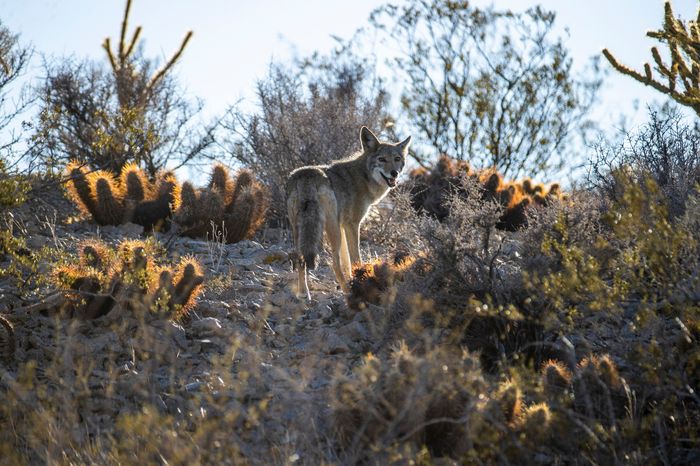
A coyote ambles among cacti and other plants within the soon-to-be designated Avi Kwa Ame National Monument near Searchlight, Nev.
AP
Located near the Arizona and California state lines in the southern part of Nevada, the rugged area is home to bighorn sheep, desert tortoises and a large concentration of the succulent plants known as Joshua trees, some of which are more than 900 years old.
The Honor Avi Kwa Ame coalition said in a statement Tuesday that members were “overjoyed” to learn that the site will be a new national monument.
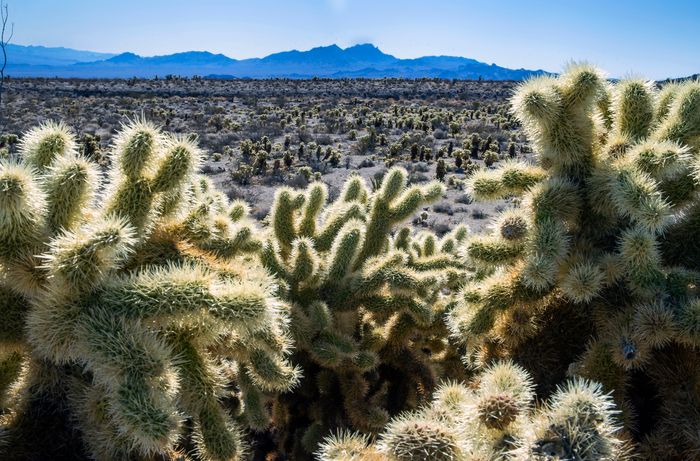
Teddybear Chollas are seen within the proposed Avi Kwa Ame National Monument, a desert mountain in southern Nevada that’s considered sacred to Native Americans.
AP
In Texas, Biden will designate the Castner Range National Monument in El Paso, an area admired by writer Jack Kerouac.
The action will also protect historic objects found within the monument’s boundaries, and will honor U.S. veterans, service members and tribal nations. Located on Fort Bliss, Castner Range served as a training and testing site for the U.S. Army during World War II, the Korean War and the Vietnam War. It also reflects the heritage of Mexican-Americans. The site’s plans include the expansion of outdoor recreation accessibility, the White House said.
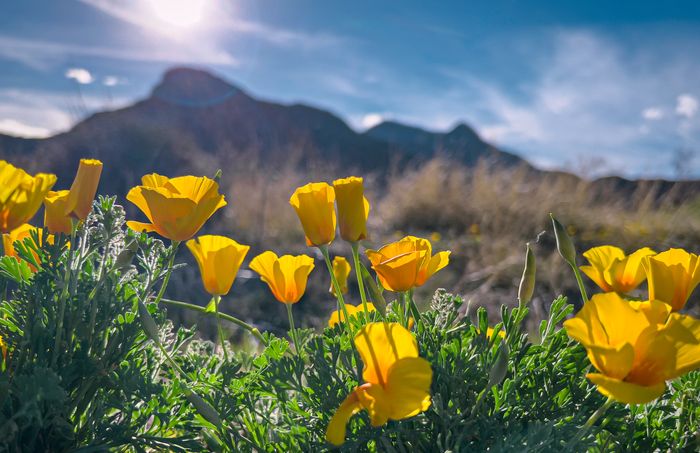
Poppies bloom in the Castner Range in El Paso, Texas.
Frontera Land Alliance
“It tells the story of how our region became the world’s largest binational community,” said the Frontera Land Alliance, one of the groups supporting the protection.
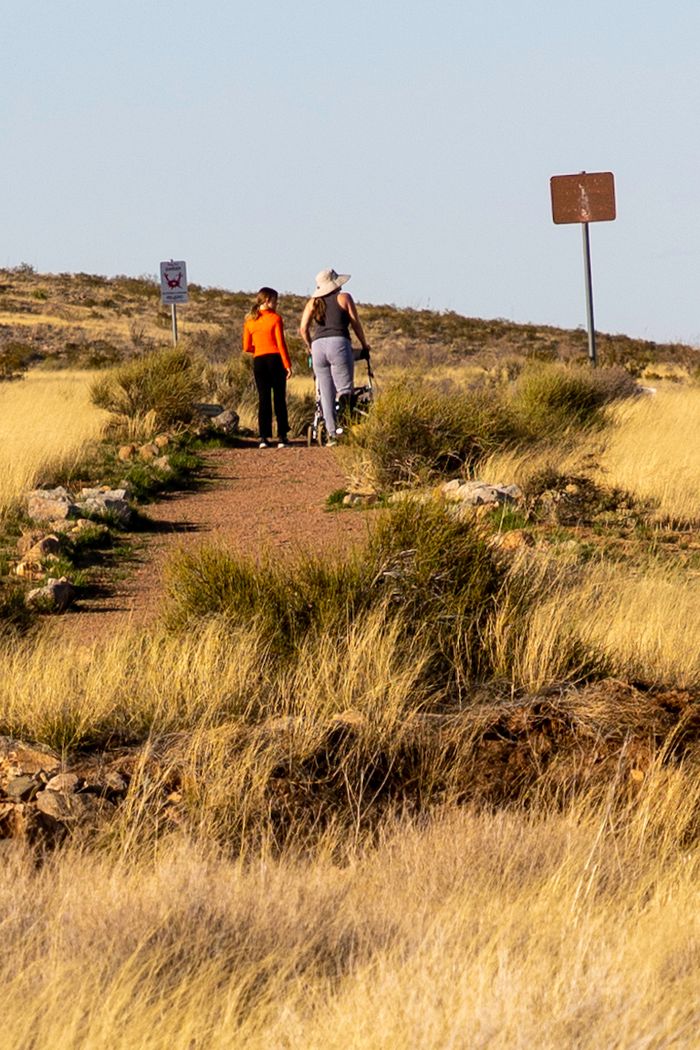
The Castner Range site’s plans include the expansion of outdoor recreation accessibility, the White House said Tuesday.
Frontera Land Alliance
Together, the two new national mainland U.S. monuments protect nearly 514,000 acres (208,000 hectares) of public lands.
In the Pacific, meanwhile, Biden will direct the Commerce Department to consider initiating a new national marine sanctuary designation within 30 days to protect all U.S. waters around the Pacific Remote Islands, which includes Wake, Howland and other islands.
According to the National Oceanic and Atmospheric Administration (NOAA), the area marks some of the most pristine coral reef ecosystems in the Pacific Ocean, including “165 known seamounts that are hot spots of species abundance and diversity.”
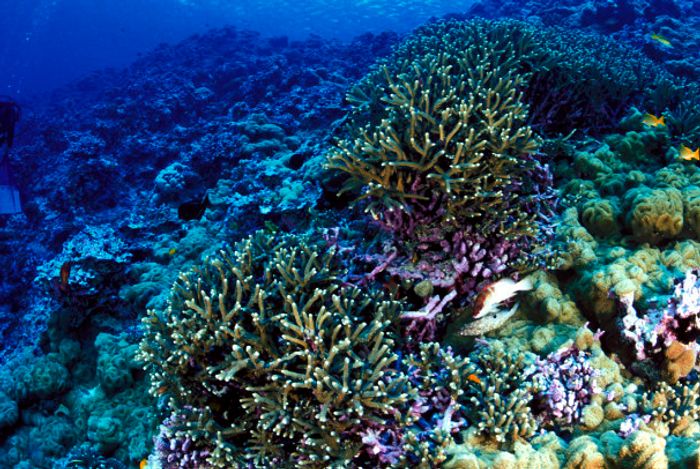
Coral reefs at Howland Island National Wildlife Refuge, part of the Pacific Remote Islands Marine National Monument.
U.S. Fish and Wildlife Service
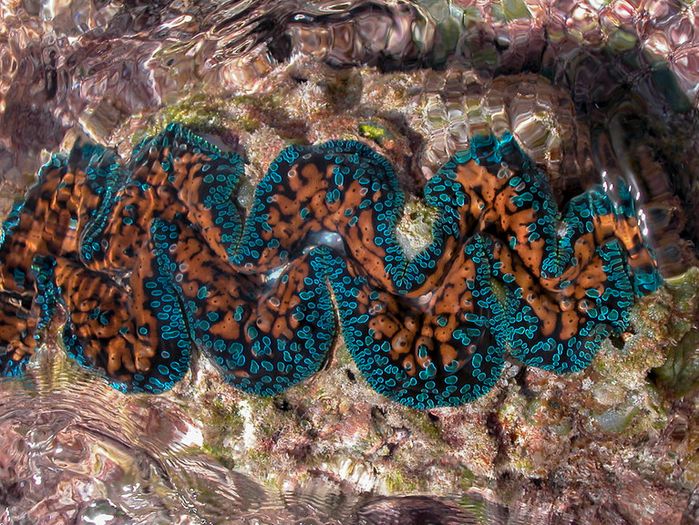
Giant Clams at Howland Island National Wildlife Refuge, part of the Pacific Remote Islands Marine National Monument.
U.S. Fish and Wildlife Service
It’s an area that without protection is vulnerable to the impacts of climate change and ocean acidification, NOAA said.
The action is linked to a second initiative announced Tuesday by the White House: boosting ocean protections. If completed, the new Pacific sanctuary would push the country along the path to conserve at least 30% of ocean waters under U.S. jurisdiction by 2030, the White House said.
The proposals seek to modernize management of America’s public lands, harness the power of the ocean to help fight climate change, and better conserve wildlife corridors, according to the announcement.
Biden also will announce new spending to improve access to outdoor recreation, promote tribal conservation and reduce wildfire risk.
Don’t miss: Florida braces for 5,000-mile-wide stinky seaweed blob — and a toxic algae bloom
Biden designated his first national monument, in Colorado, last year. In 2021, he restored the boundaries for Bears Ears National Monument in Utah after they were significantly narrowed by then-President Donald Trump.
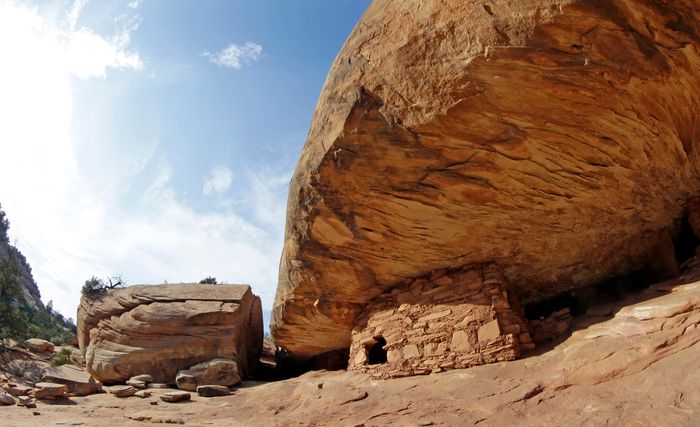
The “House on Fire” ruins are shown in Mule Canyon, near Blanding, Utah. In 2021, Biden moved to designate Bears Ears National Monument, which includes Mule Canyon. President Donald Trump’s administration in 2017 significantly downsized Bears Ears National Monuments and Grand Staircase-Escalante in southern Utah, the largest closure of public land designation, in part to open the areas to mining and drilling.
AP
Biden’s conservation actions come as he faces sharp criticism from environmental groups, TikTok campaigns and others over his approved ConocoPhillips’ large-scale and controversial Willow drilling project on Alaska’s oil-rich North Slope earlier this month.
The Willow approval was one that White House officials say was forced because of established legal and leasing parameters for the operator ConocoPhillips
COP,
Related: Biden approves Willow oil-drilling permit in Alaska. It’s a ‘carbon bomb,’ one group says.
The approval, although it comes with some conditions that protect other parts of the area and the Arctic Ocean, is arguably Biden’s most consequential climate choice to date.
It’s a blemish, say critics, on a record that so far has included major emissions-reduction pledges and a sweeping spending bill that rewards American households and businesses for switching to electric vehicles
TSLA,
GM,
and replacing oil- and gas-powered operations with solar, wind
ICLN,
and other greener options.
Biden has made curbing global warming a central part of his agenda and one that keeps him at the table on climate-change policy with major global allies. For instance, Biden and other wealthy-economy leaders want to cut planet-warming emissions from the burning of coal, oil
CL00,
and natural gas
NG00,
in half as soon as 2030.
Don’t miss: Biden’s first veto impacts your 401(k) and the U.S.’s climate-change fight
The Associated Press contributed.