The numbers: Consumer spending rose 1.8% in January to mark the biggest increase in almost two years, but the surge was powered by unusually strong auto sales and is unlikely to last.
Analysts polled by The Wall Street Journal had forecast a 1.4% advance. It was the first increase in three months in consumer spending, which faltered toward the end of last year due to high inflation and rising interest rates.
Incomes rose 0.6% last month, the government said Friday, helped by a big increase in inflation-adjusted Social Security payments. Incomes typically rise at a much slower rate.
Key details: Americans spent a lot more on new cars and trucks, making up for weak purchases in December.
Auto sales have been up and down, however, due to ongoing vehicle shortages and so have not been a good indication of the strength of the economy.
Consumers also spent more on prescription drugs and prepared foods such as takeout.
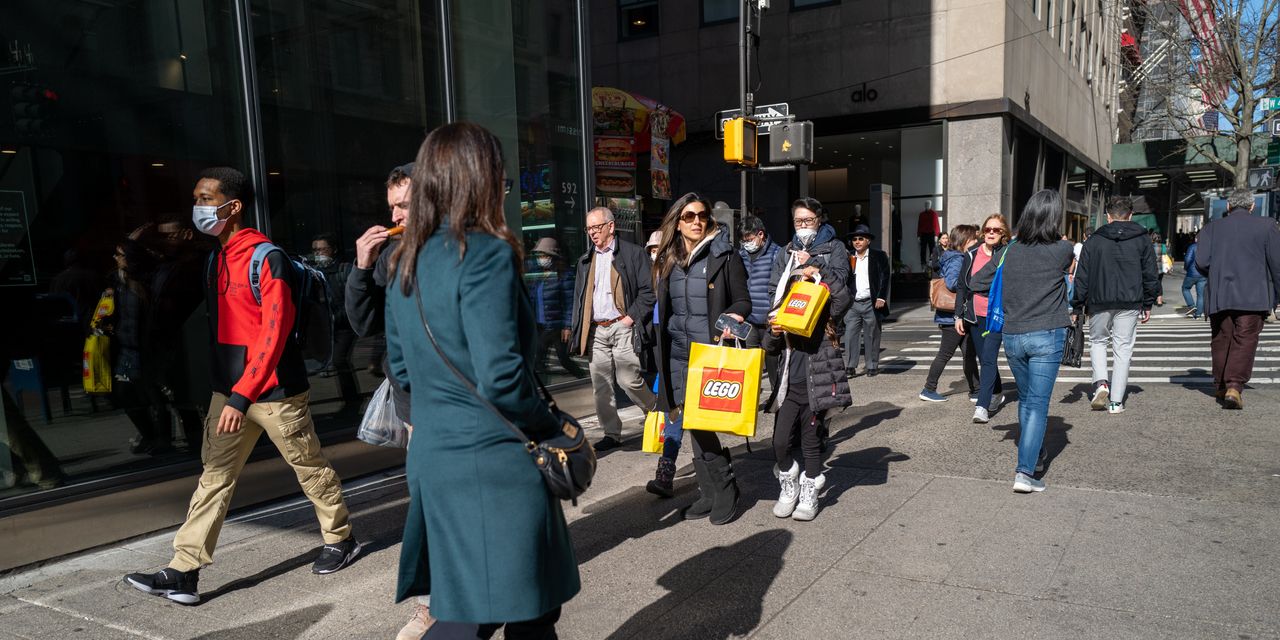
The increase in restaurant sales was a sign Americans still have some confidence in the economy. Restaurant sales tend to rise when times are good and soften when the economy takes a turn for the worse.
The U.S. savings rate, meanwhile, rose to 4.7% from 4.5% in the prior month, continuing a recent upward trend. Savings had fallen late last year to the second-lowest level on record going back to 1959.
A higher savings rate could be a sign that Americans are taking precautions in case a recession strikes.
The Federal Reserve is raising interest rates to combat high inflation, a strategy that typically slows the economy and raises the risk of a downturn.
The so-called PCE price index, the Fed’s favorite inflation barometer, surged in January in a potentially worrisome sign for the central bank.
Inflation is up a sharp 5.4% in the past year, the PCE showed, more than double the Fed’s 2% goal. Inflation rose less than 2% a year in the decade before the pandemic.
Prices are still rising faster than worker pay.
Big picture: The rebound in January in consumer spending, the main engine of the economy, is likely a one-off, economists say.
Americans have cut back on spending since last year. Home sales have been particularly hard hit due to a tripling in mortgage rates to as high as 7%.
The Fed is expected to raise a key short-term interest rate at least a few more times this year, keeping a lid on consumer spending.
Looking ahead: “The report was a mixed bag for American consumers. It showed their incomes were higher than expected and so was their spending,” said corporate economist Robert Frick of Navy Federal Credit Union. “But those figures together with higher inflation mean the Fed will probably be raising rates higher, making borrowing more expensive.”
Market reaction: The Dow Jones Industrial Average
DJIA,
and S&P 500
SPX,
were set to open sharply lower in Friday trades.