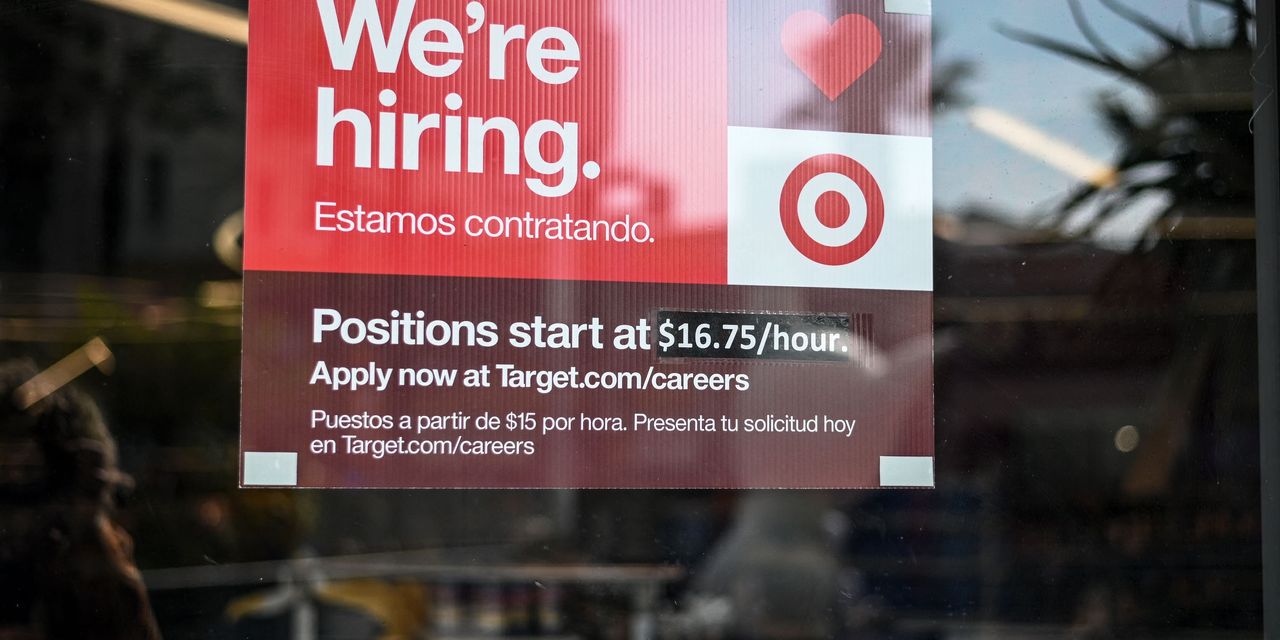
The numbers: The U.S. created a lackluster 199,000 new jobs in December, signaling that persistent labor shortages and another major coronavirus outbreak are holding back the economy.
The increase in employment was well Wall Street’s expectations. Economists polled by The Wall Street Journal had forecast 422,000 new jobs.
The U.S. jobless rate, meanwhile, slipped to 3.9% from 4.2% and drifted to a new pandemic low. Economists say the official rate likely underestimates the true level of unemployment by a few percentage points, however.
Businesses have tried to attract more workers by offering signing bonuses, higher pay and better benefits. Hourly pay rose 19 cents, or 0.6%, to $30.31.
Wages rose 4.7% in 2021. The last time wages rose that rapidly was several decades ago. Even the big increase in wages, however, has not been enough to offset the increase in inflation. Consumer prices rose at a 6.8% yearly pace through November.
Big picture: Businesses laden with customer orders are aggressively seeking to fill more than 10 million open jobs in order to keep up with demand.
The latest wild card is the omicron strain of the coronavirus. It could disrupt business for a month or two, economists say, but the U.S. is likely to prove resilient again just as it did during the delta wave last fall.
Market reaction: The Dow Jones Industrial Average
DJIA,
and S&P500
SPX,
were set to open little changed in Friday trades.