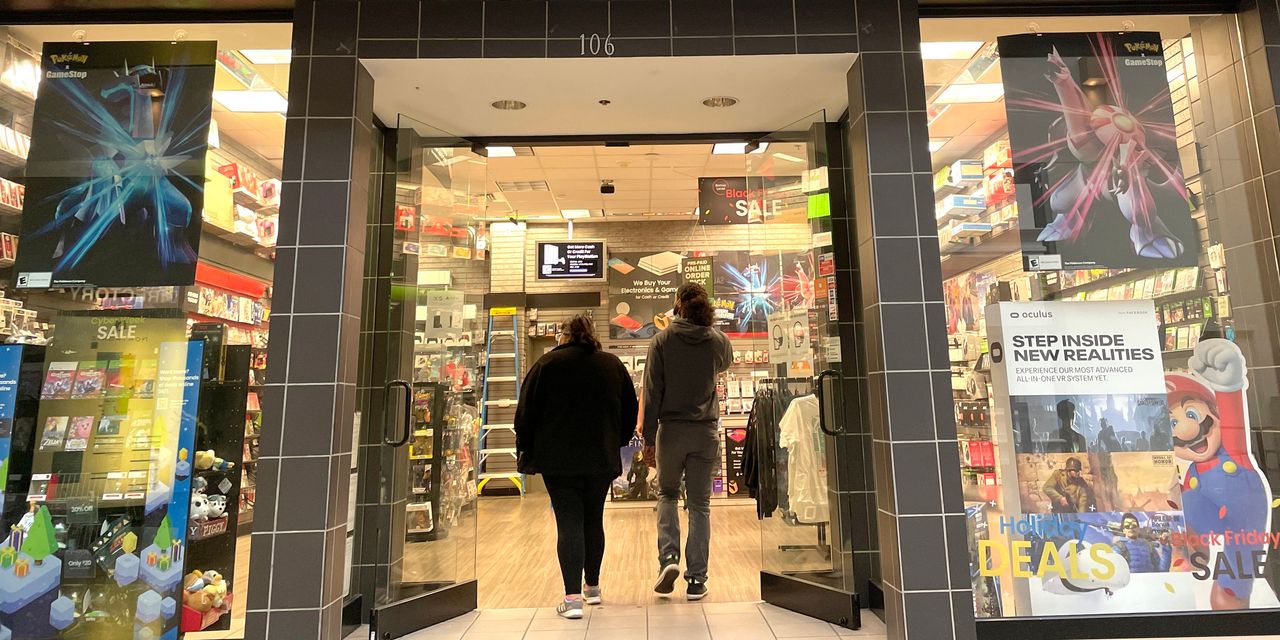
The numbers: CVS, Citibank, Wal-Mart and other service-oriented companies that dominate the economy grew more slowly in December, a survey showed, just as omicron began to add fresh stress on the U.S. recovery.
The Institute for Supply Management’s services index dropped to 62% last month from a record 69.1% in November. Readings above 50% signal expansion and numbers above 60% are considered exceptional.
“It’s still reflective of a very strong rate of growth,” said Anthony Nieves, chairman of the survey. “It’s a matter of leveling off” from very high levels in the past few months.
Read: Sticky inflation, bigger paychecks, fading stimulus – how the U.S. economy is shaping up for 2022
Economists polled by The Wall Street Journal forecast the index to fall to 66.8%.
The lower ISM reading in December doesn’t capture much of the impact of omicron, however. The new strain didn’t explode until toward the end of the month.
The bigger impact — temporary layoffs, business closures, lost sales — is likely to show up in the January report.
Big picture: While the survey still shows strong growth in the economy, parts of the service industry are likely to experience hiccups as omicron works its way through the population. Restaurants and entertainment venues in particular.
“This variant is not as strong or as severe as we’ve seen in the past,” Nieves said. “But it’s still impacting the ability to staff.”
Still, the biggest problem for most companies in the longer run are ongoing shortages of labor and supplies.
Businesses can’t find all the workers and materials they need and the cost of everything is going up. The pace of consumer inflation soared to 6.8% in November and hit the highest rate in almost 40 years.
Read: High U.S. inflation hearkens back to the 1980s
The material shortages appear to be starting to ease, Nieves suggested, but economists say it could take up to a year or more before supply chains return to normal.
Market reaction: The Dow Jones Industrial Average
DJIA,
and S&P 500
SPX,
fell in Thursday trades. Investors are expecting the Federal Reserve to start raising interest rates soon to combat a huge increase in inflation.