In the UK, road transport contributes to 92% of domestic transport carbon emissions. These harmful emissions play a significant role in the current environmental crisis that is causing the temperature of the earth to rise. For this reason, it is considered vital that we cut down our use of petrol and diesel vehicles.
A large proportion of petrol cars in the UK are owned by small businesses that use them for a variety of business purposes.
Here’s how your business could save over £4,000 per year by switching a petrol or diesel car for an electric one.
The benefits of using electric cars for your business
While you may have grown accustomed to your petrol or diesel car, new research by Asset Alliance has found that switching to an electric car could help your business make serious savings each year. Electric cars are also miles better for the environment and could significantly reduce your carbon footprint.
Lower fuel costs
The cost of fuel is at an all-time high, which has left many small business owners struggling to keep their vehicles running. Electric cars are much cheaper to run.
More specifically, the average cost per mile for a petrol car is £0.14, whereas the cost per mile for an electric car is just £0.037. This could lead to serious savings over time! If you do 7,000 miles every year for your business, that’s a saving of £721.
Exemption from London’s congestion and ULEZ charge
If you’ve driven through London for your business, you’ll know about the congestion charges for vehicles that use fossil fuels. These charges have been introduced in an attempt to cut down carbon emissions in the capital.
Consequently, electric cars are exempt from paying the extra costs. The congestion charge is currently £15 per day for each vehicle. If you drive through London every working day, the charge would total £3,825 a year! You could easily save this money towards more important expenses by switching to an electric vehicle.
Low maintenance costs
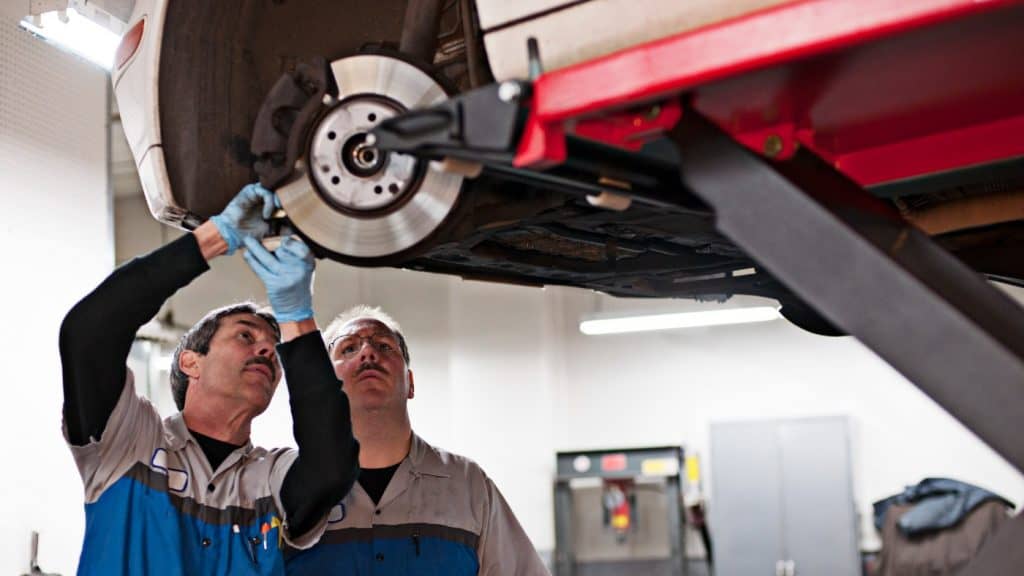
Electric cars have fewer moving parts than petrol and diesel vehicles. This means they typically require less maintenance throughout the year. For this reason, electric vehicles are associated with significantly lower maintenance costs than petrol or diesel cars, which could lead to excellent savings each year.
Exemption from road tax
The annual cost of road tax in the UK will differ depending on the vehicles you use for your business. However the flat rate is £155. This is a cost that small business owners could certainly do without! Alternatively, electric vehicles are exempt from road tax, which means that this expense could be completely cut from your budget!
If you add together the savings made through lower fuel costs, congestion charge exemption and road tax exemption, that’s a potential saving of £4,701 every year for your business!
Why aren’t businesses using electric cars?
The biggest deterrent to businesses swapping to electric cars is the large upfront costs that come with buying electric cars. Typically, electric cars are much more expensive than their petrol or diesel counterparts.
While upfront costs may seem large, businesses can make the money back through the ongoing savings electric vehicles offer. Furthermore, there are a number of EV grants and incentives available that could help your business to afford the switch to electric vehicles!
Currently, the government is offering an Electric Vehicle Homecharge Scheme that will provide homeowners with 75% of the money that it costs to install an electric charge point in their home. This is excellent for small business owners who work from home.
William Patterson, CEO of Asset Alliance Group, recommends that businesses start planning for the transition to electric cars. He says, “A total switch to electric vehicles might seem like a long way off, but approaching deadlines are driving fleet operators to step up their strategies. For a smooth transition, businesses should be planning ahead as far as possible.”
Compare our top-rated business credit cards
A business card offers practical benefits that appeal to – and in many cases are extremely helpful to – business owners.
To help you see what kind of perks you could unlock, we’ve created a list of some of our top-rated business credit cards.
Was this article helpful?
YesNo
About the author

Ruby is a freelance writer who enjoys writing about all things personal finance. After embarking on her own side hustle journey three years ago, Ruby is passionate about helping others to learn about the ins and outs of persona… Read More
Some offers on The Motley Fool UK site are from our partners — it’s how we make money and keep this site going. But does that impact our ratings? Nope. Our commitment is to you. If a product isn’t any good, our rating will reflect that, or we won’t list it at all. Also, while we aim to feature the best products available, we do not review every product on the market. Learn more here. The statements above are The Motley Fool’s alone and have not been provided or endorsed by bank advertisers. John Mackey, CEO of Whole Foods Market, an Amazon subsidiary, is a member of The Motley Fool’s board of directors. The Motley Fool UK has recommended Barclays, Hargreaves Lansdown, HSBC Holdings, Lloyds Banking Group, Mastercard, and Tesco.